

Maddy summaryHB 544 requires Utah counties to accept and process plan review applications for single-family dwellings on "qualifying parcels" (land created before county land use ordinances or meeting specific zoning and development criteria) that are not part of a subdivision. The bill mandates counties to review such applications if the proposed building meets setback requirements, utility approvals, health department reviews (where required), and street frontage dedication. It directly affects landowners seeking to build single-family homes on qualifying parcels and counties that must now follow these standardized review procedures. The bill does not require counties to provide infrastructure or alter existing land use authority, focusing solely on streamlining the application process for eligible parcels.
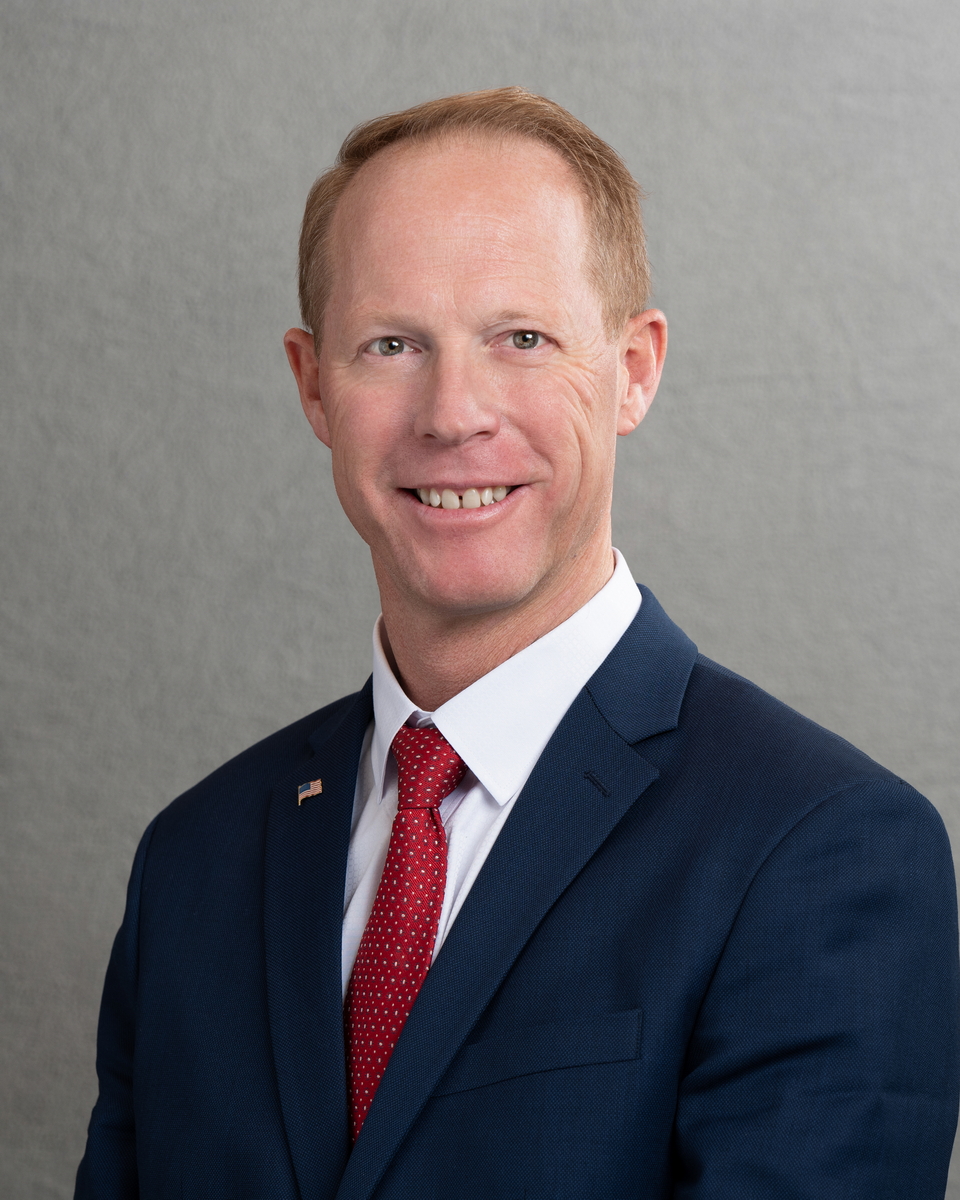
Sen. Keith Grover
Sponsored bills
Maddy summaryHB 604 prohibits certain local executive officials from serving on municipal or county legislative bodies in their own jurisdictions. It bans county executives, county managers, and mayors/managers (whether elected or appointed) from holding legislative seats in the same area they lead, directly affecting current and future officials in these roles. Existing violations (where officials were already serving in conflict as of May 6, 2026) are temporarily allowed until January 31, 2027, or a replacement is sworn in, whichever comes first. The bill takes effect May 6, 2026, with the exception clause set to expire July 1, 2027.
Maddy summarySB 146 modifies Utah's rules for reusing industrial byproducts like construction debris, ash, or mineral residues. It allows any project (not just public projects) to use an approved byproduct if the Waste Management Division director approves its reuse application. The bill exempts approved byproducts from requiring health risk assessments, ecological studies, or environmental covenants. It repeals an older restriction that limited reuse to public projects and updates definitions for clarity. This change affects businesses and contractors seeking to reuse industrial waste materials in construction or infrastructure projects.
Maddy summaryHB 440 requires Utah elementary schools (K-6) to implement specific lunch and recess policies. It mandates a "share table program" where students can return unopened food for redistribution to reduce waste, sets a target goal of 20 minutes of seated eating time with recess scheduled immediately before lunch, and requires annual school lunch planning meetings involving parents and school councils. The bill also directs the State Board of Education to research best practices for lunch scheduling and recess. These changes apply directly to public elementary schools and their community councils, with no new state funding required.
Maddy summaryHB 28 extends the expiration dates for several health-related programs and committees under Utah's Department of Health and Human Services. It specifically delays the sunset (repeal) of programs like the Rare Disease Advisory Council Grant Program, Newborn Hearing Screening Committee, Mobile Crisis Outreach Team Grant Program, and Behavioral Health Receiving Center Grant Program, pushing their expiration dates from 2026 to 2036 or later. The bill amends Utah Code sections to adjust these repeal deadlines without creating new programs or appropriating funds. These changes directly affect the ongoing operation of these advisory bodies and grant initiatives, allowing them to continue functioning past their original expiration dates.
Maddy summaryHB 109 restricts Utah cities with six- or five-member city councils from changing dismissal rules for municipal managers during election transitions. Specifically, it prohibits these councils from adopting more restrictive dismissal procedures from the day of a municipal election until new council members begin their terms. This ensures continuity in manager dismissal processes during periods when council composition is uncertain due to elections. The bill makes minor technical updates to existing state code without appropriating funds or affecting other municipal operations.
Maddy summaryHB 306 allows Utah to invest up to 10% of specific state funds (like disaster recovery and budget reserve accounts) in gold or silver, while requiring the state treasurer to conduct annual studies on precious metals' economic impact. It mandates a competitive procurement process to develop a voluntary gold-backed digital payment system for state vendors, requiring physical gold/silver vaulted within Utah, redemption options, and annual reporting to the Revenue and Taxation Committee. The bill appropriates $146,800 for FY2026 to support these activities, including system development and oversight. Participation in the payment system is optional for vendors and state entities, and the bill explicitly states it does not require any entity to use the system.
Maddy summarySB 14 permanently removes the sunset date for Utah's requirement that private firearm sellers conduct background checks before transferring a firearm. This bill amends Section 76-10-526.1 of Utah Code, which mandates background checks for private sales, by eliminating its scheduled repeal on July 1, 2025. The change makes the background check requirement permanent for private firearm transactions in Utah, directly affecting private sellers and buyers. The bill contains no new funding or substantive policy changes, only removing the expiration date and making technical updates. It takes effect on May 7, 2025.
Maddy summarySB 147 updates Utah's requirements for youth service organizations to conduct background checks on potential youth workers. It allows organizations to request a person's full name and, if needed, current government-issued ID to complete registered sex offender checks, while explicitly banning employment or volunteering for anyone listed on state or national sex offender registries. This directly affects youth organizations (like schools, camps, and after-school programs) and individuals applying for roles working with children. The law takes effect on May 7, 2025, unless modified by legislative action before that date.
Maddy summarySB 41 is a technical recodification bill that updates the structure of Utah's Sex, Kidnap, and Child Abuse Offender Registry statutes without changing registration requirements or who must register. It consolidates and reorganizes existing code sections (affecting over 30 Utah Code provisions) to align with recent legislative changes, including coordination with related bills (H.B. 21 and S.B. 24). The bill makes no substantive policy changes to the registry's operation or scope - only administrative updates to the legal code. It was signed into law by the governor on March 26, 2025.