

Maddy summaryHB 109 modifies Utah's Fits All Scholarship Program to prevent grade repetition for students using scholarship funds. It updates program rules in Utah Code sections 53F-6-402, 403, and 405 without adding new funding. The bill affects families using scholarships for private or home-based education, maintaining annual limits ($8,000 for private schools, $4,000-$6,000 for home-based students). Key changes include adjusting how unused scholarship funds are redistributed when students exit mid-year and clarifying accountability requirements for continued eligibility. The bill does not alter scholarship amounts or eligibility criteria but refines program administration.
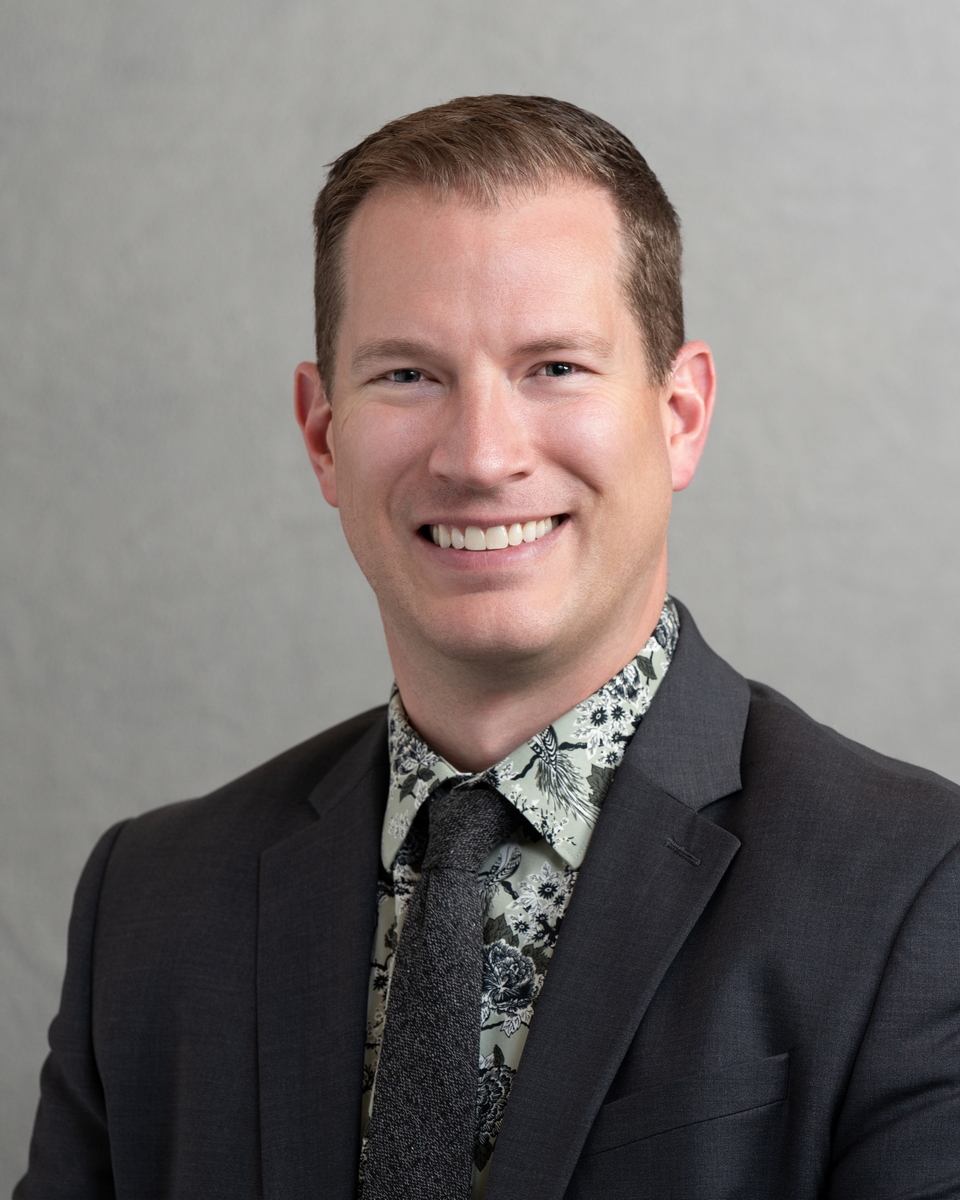
Rep. Andrew Stoddard
Sponsored bills
Maddy summaryHB 80 requires adults (18+) who store loaded firearms at home to secure them properly, or face a class C misdemeanor charge if a minor (under 16) accesses the firearm and uses it unlawfully in public or during a fight. It defines "locked container" as a secure storage method and sets specific conditions, including that the adult knew or should have known a minor might access the firearm. The law does not apply if a minor entered unlawfully, the firearm was used in self-defense, or the owner reported the incident to police. The bill takes effect on May 6, 2026, and creates no new funding requirements.
Maddy summaryHB 106 requires Utah school districts (LEAs) to collect and report detailed chronic absenteeism data starting in the 2026-2027 school year. It defines chronic absenteeism as missing 10% or more of school days (excused or unexcused) and mandates reporting on student enrollment, grade-level absence rates, and individual absence records. The state board must then conduct a statewide study analyzing root causes (like transportation, health, or socioeconomic factors) and evidence-based solutions, consulting educators, parents, and community stakeholders. The study findings must be submitted to the Education Interim Committee by September 2027, including recommendations for interventions and potential policy changes.
Maddy summaryHB 315 modifies Utah's process for filling midterm vacancies in municipal offices (like city mayors or council members). It requires municipal bodies to publicly announce vacancies 14 days in advance, interview qualified candidates, and use a "game of chance" (such as a coin toss) to break ties when three or more candidates receive equal votes in the initial selection. The bill specifically defines terms like "vacancy" and "game of chance" while adding procedural steps for transparency. It directly affects Utah municipalities and their legislative bodies when filling unexpired terms. The changes apply to vacancies caused by resignation or other midterm departures, with no funding impact.
Maddy summaryHB 420 requires Utah's Division of Air Quality to create a plan reducing harmful halogen emissions from major sources, specifically magnesium smelters, mines, or extractors in Box Elder, Davis, Salt Lake, Tooele, Utah, and Weber counties. The bill mandates the division to develop a "best available control technology" emissions reduction plan for these facilities, with implementation required by December 31, 2026. It also requires the division to submit annual reports on halogen emissions and plan effectiveness to the Natural Resources, Agriculture, and Environment Interim Committee by October 31 each year. The bill makes no changes to funding and takes effect May 7, 2025.
Maddy summaryHB 154 modifies Utah's punitive damages rules for DUI cases, requiring the state's share of certain punitive damages to fund victim services. Specifically, it directs that after May 7, 2025, the state's portion (50% of punitive damages exceeding $50,000) from DUI-related judgments must be deposited into the Victims Services Restricted Account. This applies only to cases involving driving under the influence, not general punitive damages. Funds will support victim services like domestic violence programs and Children's Justice Centers. The bill does not change punitive damages standards but redirects existing state funds to victim assistance.
Maddy summarySB 87 clarifies that veterans treatment court programs qualify as "problem-solving courts" that allow courts to shorten or suspend license suspensions for DUI offenders. The bill modifies Utah Code § 41-6a-509 to explicitly include veterans treatment programs in this category, meaning veterans who complete such programs may avoid full license suspension periods after a DUI conviction. It makes minor technical adjustments to align existing license suspension rules with this clarification but does not change the core suspension periods or add new funding. This directly affects DUI offenders, particularly veterans participating in treatment court programs, by providing a pathway to reduce license restrictions. The bill focuses on procedural clarity without altering sentencing thresholds or penalties.
Maddy summarySB 101 amends Utah law to clarify that dog owners are not liable for injuries or deaths caused by their dogs to trespassers. Specifically, it removes liability when a trespasser enters private property without permission and the dog is reasonably secured (e.g., behind a fence). This change applies only to trespassers on private property and does not affect liability for injuries to other individuals or animals. The bill updates Utah Code Sections 18-1-1 and 57-14-301 with these provisions, making no changes to existing liability for non-trespassers or other scenarios.
Maddy summaryHB 222 modifies Utah's traffic accident reporting rules to allow attorneys representing accident victims to access unredacted accident reports - including full witness statements, videos, and photos - instead of only redacted versions. The bill specifically permits attorneys (defined as "agents") to receive complete reports for civil cases, while adding penalties for unauthorized public sharing of protected records. It maintains existing restrictions on disclosing personal details like phone numbers or addresses when safety is at risk. The change aims to streamline access to evidence for victims' legal representation without altering insurance or statistical disclosure practices.
Maddy summarySB 86 amends Utah's workplace protections by lowering the employee threshold requiring businesses to comply with the Utah Antidiscrimination Act from 15 to 5 employees. This change directly affects small businesses and employers with 5 or more workers, expanding coverage under the law. The bill also updates the legal definition of sexual harassment but does not alter funding or add new requirements. These changes apply to all employers covered under Utah Code Sections 34A-5-102 and 34A-5-114.