

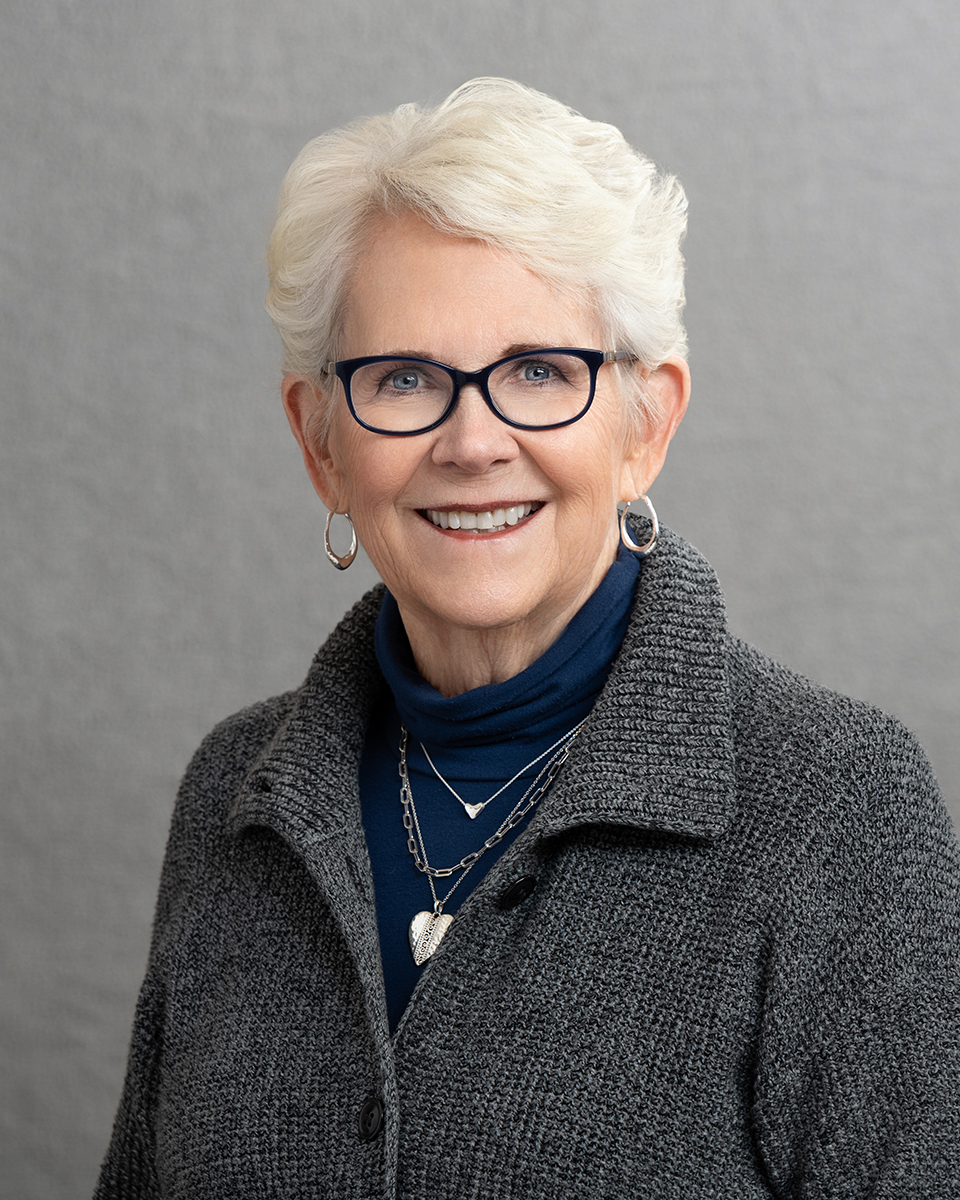
Photo of Carol Moss
D Utah House · District 34

Rep. Carol Moss

Compare
Total votes
4,468
all sessions
Attendance
97%
134 missed
Near the chamber average
With party
98%
of cast votes
Higher than 85% of chamber peers
Bipartisan score
2%
crosses aisle rarely
Lower than 79% of chamber peers
Sponsored
47
bills & resolutions
Lower than 79% of chamber peers
Committees
5
assignments
47 bills and resolutions

Sponsored bills

Total
47
Primary
40
Co-sponsor
7
This page
47
matching current filters
Primary HB 178
Signed into law · Utah House · Lead sponsor
School Zone Speeding Amendments

Maddy summaryHB 178 removes a requirement that courts order drivers convicted of speeding in school zones (21+ MPH) to perform compensatory service observing a crossing guard. This change applies to both first offenses at 30+ MPH and repeat offenses within three years. The bill does not alter existing fine schedules for speeding violations (e.g., $260 for 21-29 MPH) or speed limits. It makes only technical updates to Utah’s school zone speeding penalty law, with no new costs or policy changes beyond eliminating this specific service requirement.

Signed into law Mar 26, 2026 0 co-sponsors
Primary HB 476
In committee · Utah House · Lead sponsor
Insanity Defense Amendments

Maddy summaryHB 476 modifies Utah's insanity defense rules for first-degree and capital felony cases. It shifts the burden of proof to defendants claiming insanity, requiring them to prove their defense by "clear and convincing evidence." The bill also clarifies that certain conditions (like antisocial personality disorder or substance use disorders) cannot be used as insanity defenses, and updates procedures for mental health evaluations, supervision, and release of defendants found not guilty by reason of insanity. These changes directly affect criminal defendants in serious felony cases who may assert an insanity defense.

In committee Mar 7, 2026 0 co-sponsors
Primary HB 151
Introduced · Utah House · Lead sponsor
Teaching Materials Amendments

Maddy summaryHB 151 exempts certain courses - like Advanced Placement, International Baccalaureate, medical, and family and consumer science classes - from standard sensitive material review requirements when parents provide consent. It directly affects students in these courses and their parents, who must explicitly approve access to materials deemed "subjective sensitive" (e.g., content considered harmful to minors). The bill adds a parental consent pathway for these courses, allowing schools to temporarily permit such materials during review if parents consent, while maintaining prohibitions on "objective sensitive material" (e.g., pornographic content). This changes how schools handle parental input for specific course materials without altering the core ban on prohibited content.

Introduced Mar 7, 2026 0 co-sponsors
Primary HB 295
Passed · Utah House · Lead sponsor
Overdose Amendments

Maddy summaryHB 295, the "Overdose Amendments," updates Utah's criminal code to better address overdose situations. It expands the affirmative defense for reporting overdoses to include both the person experiencing the overdose and anyone who stays with them during the event. The bill also creates a new option for courts to dismiss first-time drug offenses if the individual commits to substance abuse treatment, and clarifies that reporting an overdose can be used as a sentencing mitigating factor for both parties involved. These changes aim to reduce criminal penalties for overdose-related incidents while encouraging treatment engagement.

Passed Mar 7, 2026 0 co-sponsors
Primary HB 227
In committee · Utah House · Lead sponsor
Student Journalist Amendments

Maddy summaryHB 227, the Student Journalist Amendments, protects student journalists' free speech rights in school-sponsored media while setting clear boundaries. It requires school boards to adopt policies ensuring students can produce content without censorship unless it violates specific limits (like obscenity, threats, or disruption), and prohibits schools from punishing advisers for supporting these rights. The bill also shields schools from legal liability for student content unless the school itself alters the material. This directly affects students creating school publications, their advisers, and school administrators who must implement these new policies by May 2026.

In committee Mar 7, 2026 0 co-sponsors
Primary HB 135
In committee · Utah House · Lead sponsor
Cohabitant Definition Amendments

Maddy summaryHB 135 clarifies the legal definition of "cohabitant" in Utah's domestic violence and battered person mitigation laws. It specifically expands the definition to include minors when a parent, stepparent, or cohabiting adult commits abuse against them, and also includes parents/stepparents when a minor commits an offense against them. These changes ensure that the battered person mitigation defense - allowing reduced charges for individuals who acted in response to abuse - applies correctly to cases involving minors and their caregivers. The bill makes technical adjustments to existing statutes without creating new programs or costs.

In committee Mar 7, 2026 0 co-sponsors
Co-sponsor SB 12
Signed into law · Utah Senate · Co-sponsor
Board of Tourism Development Amendments

Maddy summarySB 12 extends the expiration date of Utah's Board of Tourism Development from July 1, 2025, to July 1, 2030. This procedural bill directly affects the Board of Tourism Development, which oversees state tourism policy and funding. The change delays the board's automatic termination, allowing it to continue operations for an additional five years. No new policies or funding are created; the bill only adjusts the board's sunset date through technical amendments to existing code.

Signed into law Mar 26, 2025 1 co-sponsor
Primary HB 28
Signed into law · Utah House · Lead sponsor
On Premise Sign Installation Amendments

Maddy summaryHB 28, titled "On Premise Sign Installation Amendments," actually amends licensing definitions for alarm system businesses, not sign installation. It defines key terms like "alarm business," "alarm company agent," and "alarm system" to clarify licensing requirements under Utah law. The bill affects alarm system contractors, installers, and businesses seeking or maintaining licenses for alarm system services. It makes technical updates to existing code without adding new fees, requirements, or funding. (Note: The bill title appears inconsistent with its actual content, which focuses on alarm systems, not signs.)

Signed into law Mar 25, 2025 0 co-sponsors
Primary HB 102
Introduced · Utah House · Lead sponsor
Class Size Reduction Amendments

Maddy summaryThis bill amends Utah's existing class size reduction funding rules to better target resources. It directs current funds toward local school districts with the highest need, specifically for kindergarten through grade 3 classrooms (replacing the prior K-8 focus), and requires 50% of allocated funds to reduce class sizes in kindergarten through grade 2 with an emphasis on reading skills. School districts receiving funds must report how money was spent and its impact on class sizes and reading scores. The bill does not create new funding but allows for inflation adjustments to the existing appropriation.

Introduced Mar 8, 2025 0 co-sponsors
Primary HB 121
Introduced · Utah House · Lead sponsor
Health Education Amendments

Maddy summaryHB 121 amends Utah's health education requirements for public schools, directly affecting students and local education agencies (LEAs). It mandates that curriculum include instruction on sexual assault resource strategies, sexual violence prevention, and the legal consequences of sharing explicit images electronically. LEAs must review local sexual assault data to inform their health education policies and incorporate relevant findings. The bill requires age-appropriate instruction on these topics at least twice between grades 7 and 12, with no state funding provided for implementation.

Introduced Mar 8, 2025 0 co-sponsors
Showing 1 to 10 of 47 bills
1 2 3 5 Next