

Maddy summaryHB 26 amends Utah's voting equipment rules to enhance security and standardize procurement. It bans wireless communication in all voting machines (except electronic pollbooks), repeals outdated ranked-choice voting certification rules, and requires election officials to purchase only equipment selected by the lieutenant governor's new voting equipment system. The bill creates a Voting Equipment Selection Committee to help the lieutenant governor evaluate and procure secure voting systems that meet mechanical ballot requirements. These changes directly affect election officials, vendors, and voters by standardizing equipment security and procurement processes.
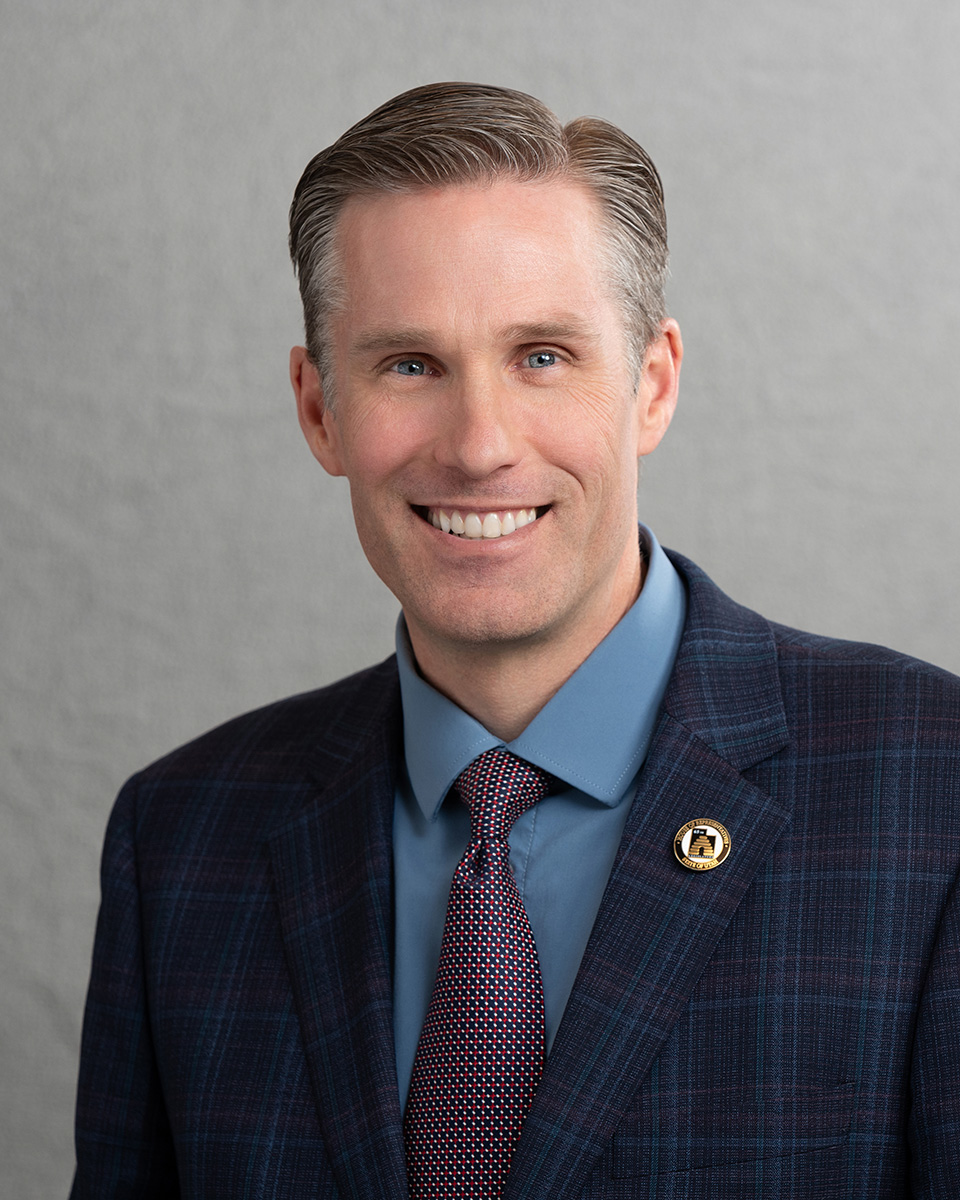
Rep. Paul Cutler
Sponsored bills
Maddy summaryHB 188 updates Utah's regulations for physical and occupational therapists who use dry needling. It requires therapists to register for dry needling as part of their license (moving it from an exception to a formal requirement) and expands the definitions of physical therapy and occupational therapy to explicitly include dry needling. The bill also removes the need for a referral to access these therapies and creates a separate registration requirement for occupational therapists performing dry needling. Additionally, it allows occupational therapists to assist with mental wellness as part of their practice.
Maddy summaryHB 173 adds tianeptine and phenibut to Utah’s Schedule I controlled substances list, making them illegal to possess or distribute without authorization. This directly affects individuals who use or distribute these substances in Utah, as they will now face the same legal restrictions as other Schedule I drugs like fentanyl derivatives. The bill updates Utah’s Controlled Substances Act to include these specific chemicals, aligning with federal classifications but not changing existing medical use exceptions. No new funding or administrative requirements are introduced.
Maddy summarySB 260 establishes a framework for Utah's potential state-endorsed digital identity program. It defines key terms (like "digital identity" and "state-endorsed digital identity") and sets policy principles, emphasizing that Utah will not create identities but may officially recognize individuals' existing digital identities under specific conditions. The bill requires the state to develop guidelines for such a program, ensuring individuals control their identity data and choose how it's shared, while mandating the Department of Government Operations to study implementation details. This bill does not create an immediate program or allocate funding but lays the groundwork for future adoption.
Maddy summarySB 241 modifies rules for Utah special districts, directly affecting property owners and local governments managing public infrastructure. It authorizes basic special districts to create public infrastructure districts for funding facilities and affordable housing projects, and allows property owner districts to pledge impact fees toward bond payments. The bill also requires board approval for using public infrastructure district property tax revenue and updates procedures for board elections, annexations, and bond issuance. These changes apply to existing and new special districts under Utah law, focusing on financial flexibility and governance clarity.
Maddy summaryThis Utah bill (SB 164) updates election procedures for candidate petitions. It requires county clerks to coordinate with local post offices on ballot handling, sets rules for poll watchers observing signature verification (prohibiting disclosure of observations), and mandates election officers to audit signature comparisons and certify extra signatures beyond required thresholds. Voters gain the ability to track their petition signatures online and view unredacted signature packets. These changes directly affect voters who sign petitions, election officials managing petitions, and poll watchers, standardizing signature verification and packet handling processes.
Maddy summaryHB 96 amends Utah's criminal code (Section 76-6-511) to adjust penalties for defrauding creditors, directly affecting individuals who intentionally hide, transfer, or destroy property to avoid paying debts. The bill increases penalties based on the amount owed: a class A misdemeanor for fraud under $10,000 and a third-degree felony for $10,000 or more. It does not create new offenses but clarifies existing criminal liability for actions like concealing assets during creditor proceedings or providing false information about a debtor’s estate. The changes apply to cases involving property subject to security interests or creditor administration.
Maddy summaryHB 343 amends Utah's medical cannabis production regulations to require cannabis production establishments in industrial zones to include specific odor-reduction plans in their operating applications. These plans must identify odor sources, detail mitigation equipment, and comply with local nuisance laws. The bill also directs the Utah Department of Agriculture and Food to develop recommendations for odor control methods. Additionally, it updates land use provisions governing where medical cannabis production facilities may operate. The changes directly affect medical cannabis producers seeking licenses or renewals in industrial areas.
Maddy summarySB 36 amends Utah's Water Quality Board procedures to establish a formal process for resolving disputes over alleged violations of water quality laws. The bill requires the board to conduct mediated settlement conferences between the director and alleged violators when penalties exceed $25,000 or parties cannot agree on penalties, and authorizes board members to recommend reasonable penalty amounts to the director. This directly affects entities (like businesses or municipalities) accused of violating Utah's Water Quality Act. The changes modify Utah Code sections 19-5-104 and 19-5-106, streamlining enforcement without appropriating new funds.
Maddy summaryHB 200 modifies Utah's management of federal outdoor lands during budget crises and updates recreation grant programs. It requires the governor to prioritize which national parks, forests, and wildlife areas stay open based on economic impact and recreational value during fiscal emergencies, and changes grant rules to mandate a 50% matching contribution (from private/federal sources) for projects like trail restoration, campgrounds, and accessible facilities. The bill also updates reporting requirements for grant effectiveness, tracking maintenance backlog reductions and how state funds leverage private/federal money. No new state funds are appropriated, and the changes take effect May 7, 2025.