

Maddy summaryS 2635, the Transportation Emergency Relief Extension Act, extends deadlines for states to advance federally funded emergency transportation projects to construction. It requires the Secretary of Transportation to set a deadline no earlier than six fiscal years after an emergency declaration by a governor or president, and allows states to request one-year extensions with justification for delays. The bill also mandates that the Secretary update and publicly share the Federal Highway Administration's Emergency Relief Manual every two years. This directly affects state transportation departments managing federal-aid highway projects following declared emergencies. The law focuses on providing administrative flexibility for states during prolonged disaster recovery efforts.
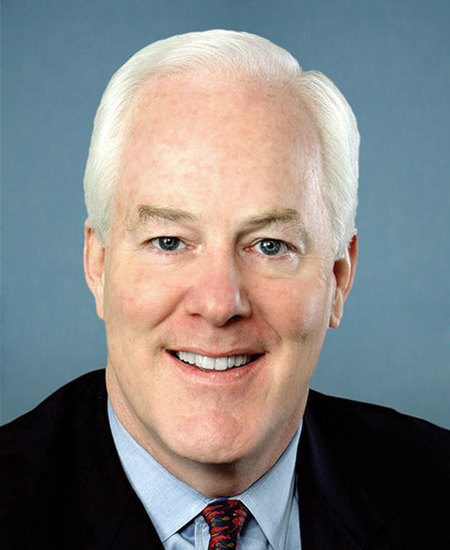
Sponsored bills
Maddy summaryThis resolution urges all NATO member countries to commit to spending at least 5% of their gross domestic product (GDP) on defense. It specifies that 3.5% should cover traditional military spending and 1.5% should address non-military security efforts like cyber resilience and infrastructure. The resolution directly addresses all 32 NATO members, particularly those not meeting prior spending targets, and criticizes current ambiguity in defense commitments. As a non-binding Senate resolution, it formally expresses the U.S. Senate's position without creating new law or altering existing obligations.
Maddy summaryThis bill amends U.S. immigration law to make certain DUI convictions automatically lead to immigration consequences. Non-citizens convicted of driving while intoxicated or impaired (including DUI under state law) would be barred from entering the U.S. (inadmissible) or face deportation, regardless of whether their offense was classified as a misdemeanor or felony locally. The key mechanism adds new grounds for inadmissibility and deportability under the Immigration and Nationality Act, treating DUI offenses as serious immigration violations. It directly affects non-citizens with such convictions, expanding immigration enforcement to include these offenses. The bill does not change state DUI laws but links them to federal immigration outcomes.
Maddy summaryThis bill requires the U.S. Department of Agriculture (USDA) to submit a report to Congress within 30 days of enactment, focusing on preparations for potential outbreaks of New World screwworms - a pest harmful to livestock. The report must detail domestic readiness efforts, including plans for a U.S. production facility for sterile flies (used to control the pest), partnerships with states and industry, and comparisons of domestic versus international sterile fly production costs and timelines. It specifically examines barriers and benefits of building domestic production capacity to prevent livestock losses. The bill directly affects USDA operations and livestock industries reliant on pest control measures.
Maddy summaryS 2506, the SkyFoundry Act of 2025, establishes a Department of Defense program to rapidly develop and produce small unmanned aircraft systems (UAS). It mandates two key facilities: an Army-operated innovation hub for R&D/testing and a production facility capable of manufacturing 1 million UAS annually, prioritizing existing Army depots meeting specific land and infrastructure requirements (15,000 acres, 8 million sq. ft. facilities). The bill authorizes streamlined acquisition methods like "other transaction authority" and Defense Production Act tools to accelerate development, while ensuring the U.S. government retains intellectual property rights for developed systems. This directly affects the Department of Defense, Army Materiel Command, contractors, and Army depots selected for facility sites.
Maddy summaryThis bill bars U.S. visas and immigration benefits for Chinese government officials determined to be responsible for forcing Uyghurs or other ethnic/religious minorities (likely to face persecution in China) to return to China. It requires the State Department to deny entry to such officials, automatically refer cases to Treasury for potential sanctions, and submit detailed reports to Congress every 180 days. The law expires after 5 years unless renewed, with limited waivers allowed for national interest reasons. It directly targets specific Chinese officials involved in forced repatriation, not Uyghur individuals or general travel.
Maddy summaryThe VSAFE Act of 2025 creates a new "Veterans Scam and Fraud Evasion Officer" within the Department of Veterans Affairs to combat scams targeting veterans. This officer will develop fraud prevention guidelines, promote the VSAFE Fraud Hotline and website, coordinate with agencies like the IRS and Consumer Financial Protection Bureau, and monitor fraud metrics for veterans, their families, caregivers, and survivors. The bill establishes this role without increasing staffing or altering the Inspector General’s authority. It focuses on improving communication, reporting systems, and cross-agency coordination to protect veterans from identity theft and financial scams.
Maddy summaryThis is a ceremonial Senate resolution designating July 26, 2025, as "National Day of the American Cowboy." It symbolically recognizes the cultural significance of cowboys and cowgirls, their values (like integrity and work ethic), economic contributions through ranching, and their role in American traditions like rodeo. The resolution encourages the public to observe the day with ceremonies but does not create new laws or affect specific groups or policies.
Maddy summaryThis bill establishes a new grant program to improve real-time tracking of opioid overdoses and reversal medication use. It authorizes grants for states, local governments, law enforcement coalitions, and tribes to develop mobile-friendly data tools that map locations of both fatal/nonfatal overdoses and where first responders administered reversal medication (like naloxone). The program requires these tools to work with existing systems, focus on high-overdose areas, and share data with federal, state, tribal, and local agencies. It amends the Comprehensive Opioid Abuse Grant Program to include this data collection component under Section 3021.
Maddy summaryThis bill (S 2425) makes it unlawful to access property under the jurisdiction of U.S. intelligence agencies if the property is clearly marked as closed or restricted, without authorization. It directly affects individuals who enter or access such marked facilities or property, including unauthorized visitors, trespassers, or potentially journalists. The key provision requires clear marking of restricted areas and imposes escalating penalties: up to 180 days in jail or a fine for a first offense, up to 3 years for a second offense, and up to 10 years for third or subsequent offenses. The law amends the National Security Act of 1947 to add this specific security measure for intelligence community property.