

Maddy summaryThe Eastern Mediterranean Gateway Act aims to strengthen the United States' role in the India-Middle East-Europe Economic Corridor by prioritizing diplomatic and strategic cooperation with Egypt, Greece, Cyprus, and Israel. It directs the Secretary of State to institutionalize multilateral dialogues, focus foreign policy efforts on energy security and defense in the region, and maintain leadership in existing initiatives like the East Mediterranean Gas Forum. Additionally, the bill requires federal officials to submit annual reports on implementation progress and to study the feasibility of creating new bilateral research and development programs with these nations, similar to those currently established with Israel.
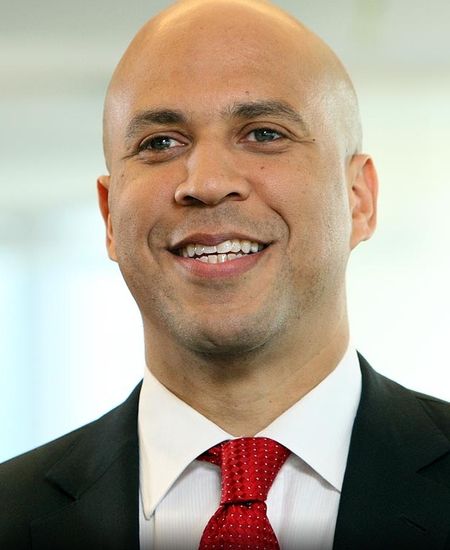
Sen. Cory A. Booker
Sponsored bills
Maddy summaryThe Iran Human Rights, Internet Freedom, and Accountability Act of 2026 aims to support Iranian citizens' access to information and human rights by expanding U.S. government efforts to promote internet freedom in Iran. The bill requires the State Department to coordinate internet freedom initiatives, develop technologies to circumvent internet blackouts (including satellite internet and mesh networks), and increase funding for programs that provide Iranians with tools to access open internet services. It also establishes procedures for identifying and sanctioning individuals who support the Iranian regime's human rights abuses. The legislation directly affects U.S. government agencies, Iranian citizens seeking to access information, and organizations working to support internet freedom in Iran.
Maddy summaryThe Patients Deserve Price Tags Act requires hospitals, clinical diagnostic laboratories, imaging services providers, and ambulatory surgical centers to publicly disclose detailed pricing information for healthcare services in machine-readable formats. This includes standard charges, discounted cash prices, payer-specific negotiated rates, and other relevant pricing data that consumers can easily access and compare. The law applies to all facilities that provide services to Medicare beneficiaries, with implementation dates starting in 2026 for hospitals and 2027 for other providers. Non-compliant facilities face daily civil monetary penalties ranging from $300 to $10,000 per day, depending on facility size and duration of non-compliance.
Maddy summaryS 2252, the "Saving Lives and Taxpayer Dollars Act," prohibits the U.S. government or its partners from destroying foreign aid commodities like food, medicine, vaccines, or family planning products before they spoil or expire. Instead, it requires agencies to urgently deliver these items to intended beneficiaries - such as people in disaster zones, refugee camps, or communities facing health crises - through donation, sale, or other means. The bill mandates annual reports to Congress detailing any expired, spoiled, or destroyed aid, including reasons for failure to deliver and associated costs. This directly affects U.S. agencies managing global health and food aid (like USAID and the State Department) and aims to prevent waste while supporting health outcomes and U.S. agricultural exports.
Maddy summaryThis Senate resolution recognizes the importance of independent living and economic self-sufficiency for individuals with disabilities, emphasizing their right to live in their own homes and communities. It calls on the Department of Justice to rescind a recent opinion that the Senate views as undermining the legal requirement to provide community-based services instead of institutional care. The document also urges various federal agencies to improve funding for home and community-based services, increase accessible housing and transportation, and promote competitive employment opportunities for people with disabilities. Additionally, the resolution pledges bipartisan efforts to address barriers faced by individuals with disabilities, including those of color, and opposes cuts to the Medicaid program that could limit access to essential support services.
Maddy summaryThe Health Over Wealth Act requires for-profit corporations that own or invest in hospitals, nursing facilities, and other health care providers to submit detailed annual reports to the government regarding their financial status, debt levels, staffing changes, and political spending. To protect public access to care, the bill mandates that hospitals must provide at least 90 days of notice before closing or discontinuing essential services and must submit a mitigation plan to ensure patients and staff are not left without support. Additionally, the legislation establishes a new licensing system for private equity firms investing in health care, gives the government authority to block risky mergers or acquisitions, and changes bankruptcy laws to prioritize the repayment of employee pension liabilities over other debts.
Maddy summaryThe Right to IVF Act of 2026 establishes federal protections to ensure individuals can access assisted reproductive technology and intrauterine insemination without state-imposed restrictions, while also mandating that health insurance plans, Medicare, Medicaid, and the Federal Employees Health Benefits program cover these services. The bill defines these procedures broadly to include treatments like egg and embryo freezing and requires coverage regardless of whether a patient has been diagnosed with infertility. It further directs the Department of Defense and the Department of Veterans Affairs to provide fertility preservation and reproductive assistance to uniformed service members and veterans, including funding for egg or sperm retrieval and storage. Additionally, the legislation grants federal courts the authority to challenge and block any state laws that limit access to these reproductive treatments or discriminate against providers and patients based on protected characteristics.
Maddy summaryThe Fair Seeds for Farmers Act limits the ability to patent or restrict the use of plant seeds and other plant materials under U.S. federal law. It specifically prevents patents from being granted on plants, plant varieties, or germplasm for applications filed after the bill becomes law, while also banning contracts that stop farmers or researchers from saving seeds, breeding new plants, or conducting experiments. The only exceptions to these restrictions are existing laws that already protect specific types of plants, such as those covered by the Plant Variety Protection Act and the Plant Patent Act of 1930. This legislation aims to ensure that farmers and scientists can freely use and share plant genetic material without facing legal barriers from intellectual property claims.
Maddy summaryThis bill officially renames the Department of Veterans Affairs community-based outpatient clinic in Newton, New Jersey, to honor Anthony "Tony" J. Gallopo. The legislation requires all federal records, maps, and documents to reflect this new name, ensuring consistent identification of the facility. It does not alter the clinic's operations, funding, or services, but rather establishes a permanent commemorative designation.
Maddy summaryThis bill proposes to increase funding for a federal grant program designed to address shortages in the dental workforce. Specifically, it would raise the annual budget allocation from $13.9 million to $15 million for the years 2027 through 2031. The funds are intended to remain available until they are spent, supporting initiatives that help train and recruit dental professionals.