

Maddy summaryThis bill extends and expands the Work Opportunity Tax Credit (WOTC), which helps employers hire from targeted groups like veterans, long-term welfare recipients, and individuals in high-unemployment areas. It extends the program through 2030 (from 2025), increases the credit rate to 50% for certain new hires (up from 40%), adds automatic annual inflation adjustments to key dollar amounts, and expands eligibility to include military spouses and people receiving SNAP benefits without an age limit. Employers hiring from these groups will see higher tax credits for qualifying wages, with new rules specifically for agricultural workers, summer youth employees, and veterans. The changes apply to workers hired after December 2025.
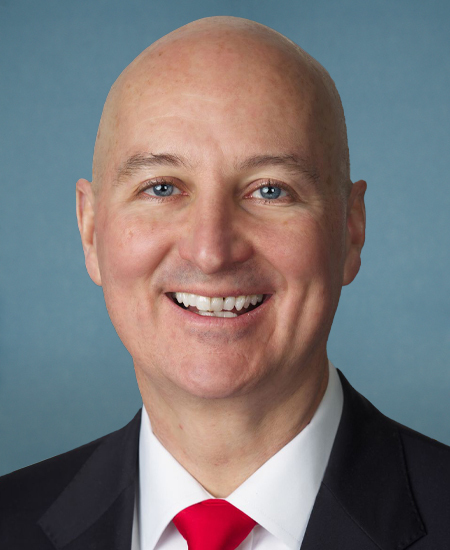
Sen. Pete Ricketts
Sponsored bills
Maddy summaryThis bill amends U.S. immigration law to expand the definition of "aliens engaged in terrorist activity" under the Immigration and Nationality Act. It adds specific groups - Hamas, Palestine Islamic Jihad, Hezbollah, Al-Qaeda, and ISIS - to the list of entities whose members or supporters would be barred from entering the U.S. The change replaces a prior reference to the Palestine Liberation Organization's spokesperson with a broader inclusion of these designated groups and their affiliates. Individuals who are members of these groups, act as their spokespersons, or endorse their terrorist activities would now be subject to immigration inadmissibility. This directly affects foreign nationals associated with these organizations seeking U.S. visas or entry.
Maddy summarySRES 507 designates November 20, 2025, as "National Rural Health Day," continuing an annual observance established in 2011. The resolution recognizes rural health care providers and the communities they serve, acknowledging challenges like hospital closures and access barriers in rural areas. It does not create new policies or funding but formally designates a date for public recognition. This procedural resolution was introduced by multiple senators and passed unanimously.
Maddy summaryThis bill changes federal rules for detaining defendants before trial. It creates a new rule that non-citizen defendants (including non-permanent residents) are presumed to be a flight risk unless they provide strong proof they won't flee or pose a danger to others. Family ties or employment in the U.S. cannot be used to challenge this presumption. The change applies only to non-citizens, not U.S. citizens.
Maddy summaryS 3209, the NOPAIN for Veterans Act, requires the Department of Veterans Affairs (VA) to include non-opioid pain medications in its national formulary for veterans. The bill defines "non-opioid pain management drugs" as FDA-approved treatments for acute pain that don't use opioid receptors. The VA must add these drugs within one year of FDA approval or eligibility for payment under federal health programs, whichever comes first. This policy change directly affects veterans receiving VA pain management care by expanding access to non-opioid options, while prohibiting use of the Cost of War Toxic Exposures Fund to implement this provision.
Maddy summarySRES 501 is a ceremonial Senate resolution recognizing November 2025 as National Native American Heritage Month. It encourages the American public to observe the month through programs and activities that celebrate Native American cultural contributions, heritage, and history. The resolution does not create new legal obligations or funding, serving solely as a symbolic acknowledgment of Native American communities' enduring impact on U.S. society.
Maddy summaryS 3178 requires the Housing and Urban Development (HUD) and Agriculture Secretaries to withdraw a specific energy efficiency rule for HUD- and USDA-financed housing. It prevents these agencies (and also the Veterans Affairs and Federal Housing Finance Agency) from implementing or enforcing that rule or similar standards, mandating a return to pre-existing energy efficiency requirements for covered housing programs. The bill also updates a provision to allow states with energy efficiency codes meeting or exceeding the withdrawn standard (at least 26 states) to continue using them. This directly affects federal housing agencies and the housing projects they fund.
Maddy summaryThis bill requires transparency in civil lawsuits involving foreign-funded litigation. It mandates that parties disclose any foreign entity (including foreign states or sovereign wealth funds) providing funding tied to case outcomes, along with detailed certifications about funding sources. Parties must submit these disclosures within 30 days of filing or entering an agreement, and the court may void agreements violating the rules. The bill also requires annual reports to Congress detailing foreign funding sources, amounts, and case types. It directly affects foreign entities funding U.S. civil cases and federal courts handling such cases.
Maddy summaryThis bill rescinds unused funds from major 2020-2021 COVID relief laws, including the CARES Act, American Rescue Plan, and Paycheck Protection Program funding. It allows limited exceptions for national security programs if the President submits a waiver request within 60 days of enactment. The rescinded funds will remain in the Treasury's general fund specifically for reducing the federal deficit. The bill directly affects federal budget management by redirecting unspent pandemic relief resources.
Maddy summaryThis bill defines "copy-cat ingredients" as substances mimicking approved drugs but made via different processes or with lower quality, and clarifies "counterfeit drugs" under existing law. It updates the Fentanyl Sanctions Act to replace all references to "opioid" with "illicit drug," expanding the law's scope to cover all counterfeit pharmaceuticals - not just opioid-related products. The bill also adds a waiver allowing access to medications on the HHS drug shortage list. These changes help regulators and law enforcement better identify and address counterfeit drugs affecting patients and the healthcare system.