

Maddy summaryThe Student Visa Integrity Act of 2026 strengthens oversight of international student programs by requiring foreign educational institutions to obtain accreditation from recognized agencies, disclose financial ties to the Chinese government, and comply with stricter reporting requirements. The bill increases criminal penalties for visa fraud and mandates background checks and training for school officials, including verification of immigration status and criminal history. It restricts certain types of study for students from designated "countries of concern" like China, Iran, and Russia, and limits online course participation to no more than 10% of a student's coursework. This legislation directly affects all international students and educational institutions participating in the Student and Exchange Visitor Program (SEVP).
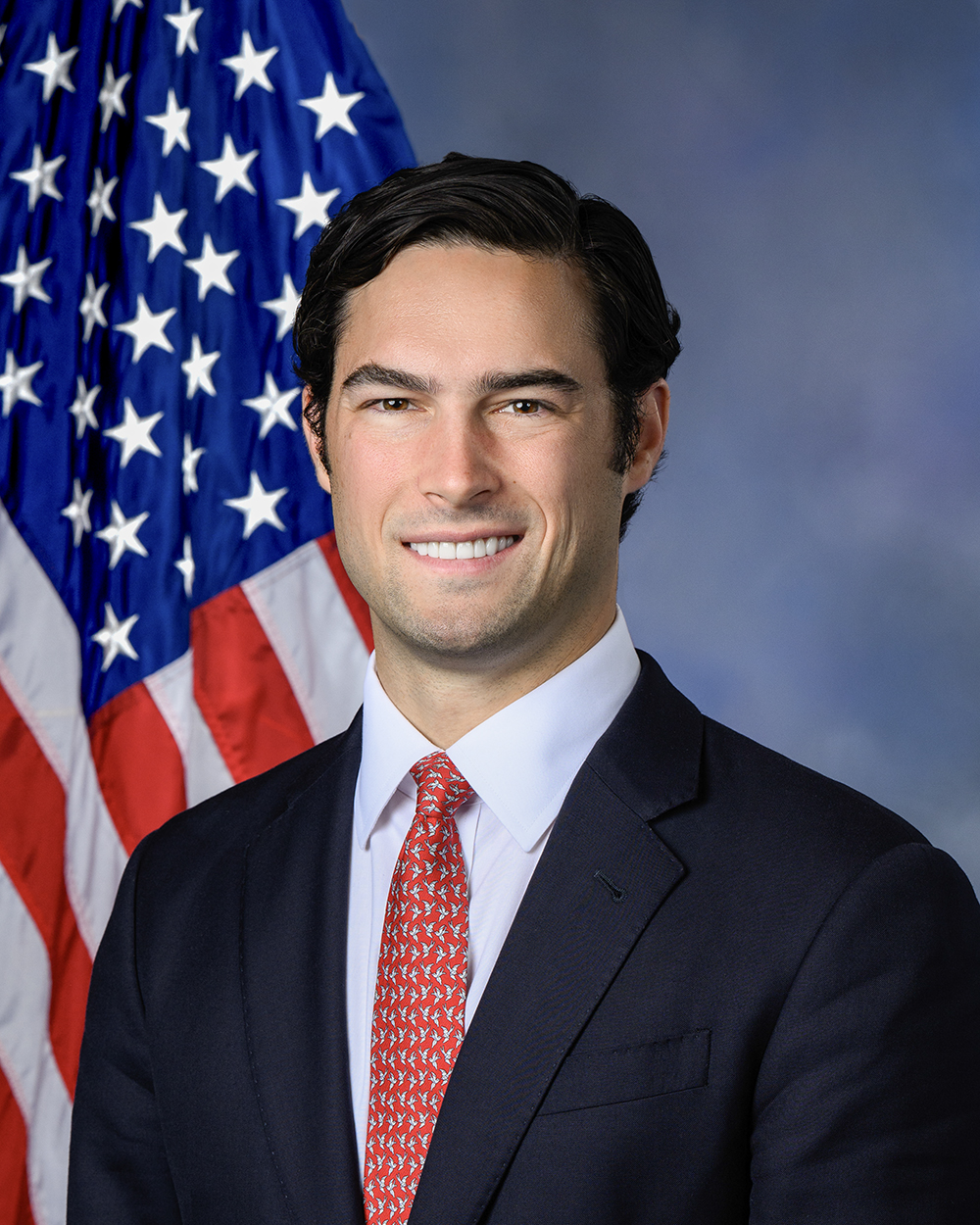
Rep. Brandon Gill
Sponsored bills
Maddy summaryThis bill clarifies and expands the definition of "public charge" for immigration purposes, affecting non-citizens applying for visas, admission, or adjustment of status. It defines a public charge as someone receiving certain government benefits (including SNAP, Medicaid, housing assistance, and income support programs) for more than 12 months within any 36-month period. The determination considers factors like age, health, assets, education, and family status in a holistic assessment, while exempting refugees, asylees, and military dependents. The bill requires the government to publish a comprehensive list of covered benefits within 180 days of enactment.
Maddy summaryHR 6972 (Reporting Accountability and Abuse Prevention Act of 2026) requires health centers receiving federal funds under Title X (which supports family planning services) to comply with all state and local laws requiring reporting of child abuse, sexual abuse, intimate partner violence, and human trafficking. It mandates that these centers create written compliance plans, provide annual training for staff on reporting obligations and safety protocols, screen minors for potential abuse when presenting with STIs or pregnancy, and document all reports. Centers must maintain detailed records of minor patients and reports, and allow federal officials to review these records. Failure to comply can result in corrective action, repayment of funds, or a 36-month ban on future Title X funding for repeat violations.
Maddy summaryHR 3492, the Protect Children’s Innocence Act, makes it a federal crime to perform genital or bodily mutilation or chemical castration on minors under 18, except for specific medical reasons. The bill broadly defines prohibited procedures to include gender transition-related surgeries (like hysterectomies or mastectomies) and medical treatments such as puberty blockers or cross-sex hormones administered to minors. It criminalizes these acts when they occur across state lines, involve payments, or use interstate commerce, while explicitly banning religious tradition as a defense. Exceptions include medically necessary procedures for health emergencies, childbirth, or conditions certified by a physician.
Maddy summaryHR 6643, the American Border Story Memorial Act, authorizes a nonprofit organization ("The American Border Story") to establish a commemorative memorial on federal land in Washington, D.C., to honor U.S. citizens and legal residents who died due to crimes committed by individuals unlawfully present in the U.S. The bill prohibits the use of federal funds for the memorial's creation or maintenance, requiring all costs to be covered by private donations. Any remaining funds after project costs must be deposited into specific federal or National Park Foundation accounts, as outlined in the Commemorative Works Act. This is a procedural memorial bill with no direct policy or regulatory changes.
Maddy summaryHR 1623 (the SCREEN Act) requires online platforms that profit from hosting pornographic content to implement age verification technology, preventing minors from accessing such material. Covered platforms must publicly disclose their verification process and securely handle age data collected through these systems. The law applies specifically to platforms where pornographic content is a regular business activity, not all websites. It mandates that only adults can access pornographic content on these platforms, without banning the content itself.
Maddy summaryHR 573, the "Studying NEPA’s Impact on Projects Act," requires the Council on Environmental Quality (CEQ) to annually publish detailed reports starting July 2025 on how the National Environmental Policy Act (NEPA) affects federal projects. The reports will track NEPA-related lawsuits (including outcomes and costs), the length and cost of environmental reviews (like impact statements), and timelines for completing key review steps over 5- to 10-year periods. Data must be broken down by project type (e.g., energy, transportation) and sector (e.g., renewable energy, pipelines) to show trends in compliance, delays, and expenses. This information will be made publicly available online and submitted to relevant congressional committees, providing transparency on NEPA’s practical implementation without changing the law itself.
Maddy summaryHR 6425 requires the FBI to create a working group within 90 days, including 18 federal agencies like the FTC and CFPB, to develop a National Strategy for Combating Scams. The strategy must establish a common scam definition, coordinate data collection across agencies, improve public complaint reporting (including for people with disabilities), and enhance private-sector collaboration to prevent scams. It mandates the strategy be submitted to Congress and published publicly within one year, with updates every five years. This bill directly affects federal agencies' coordination efforts but does not create new laws or directly impact citizens beyond improving how the government addresses scams.
Maddy summaryHR 6372, the D.C. Shield Law Repeal Act, repeals the Human Rights Sanctuary Amendment Act of 2022 (D.C. Law 24-257), which had modified District of Columbia protections for certain immigrant residents. The bill restores the previous legal framework that existed before the 2022 amendment took effect. This directly affects D.C. law and its implementation regarding immigrant rights within the District.
Maddy summaryThis bill would amend the Anti-Terrorism Act of 1987 to designate the Muslim Brotherhood as a terrorist organization and prohibit its operations within the United States. It would require the President to designate the Muslim Brotherhood as a foreign terrorist organization under immigration law and impose new visa restrictions, including immediate revocation of current visas, for individuals identified as members. The bill mandates annual reports from the Secretary of State identifying Muslim Brotherhood branches worldwide and determining which should be designated as terrorist organizations under existing laws. These provisions would directly affect Muslim Brotherhood members, branches, and affiliated organizations seeking entry to or operating within the United States.