

Maddy summaryThis bill establishes state-level judicial threat intelligence centers to improve safety for judges and court staff. It defines "eligible organizations" (nonprofits with judicial security expertise) and requires the State Justice Institute to fund these centers to provide security training, threat monitoring, coordinate with law enforcement, and develop standardized reporting systems. The centers will create resources for judicial officer safety, conduct security assessments, and track threats through a national database. State Justice Institute must submit annual reports detailing threat types and severity to congressional committees. The bill directly affects state and local judges, court staff, and the nonprofit organizations operating these centers.
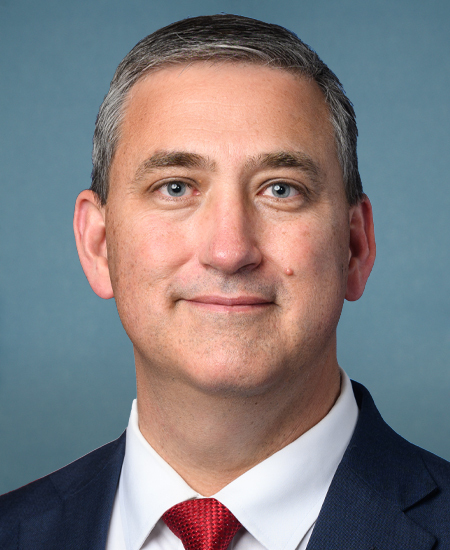
Rep. Nathaniel Moran
Sponsored bills
Maddy summaryThis bill eliminates a lifetime limit on inpatient psychiatric hospital care for Medicare beneficiaries. Currently, Medicare restricts coverage to 190 days total for such care; this bill removes that cap entirely. The key change amends Section 1812 of the Social Security Act to allow unlimited coverage for inpatient psychiatric hospital services under Medicare. The provision takes effect January 1, 2027, directly affecting Medicare patients requiring long-term inpatient mental health treatment.
Maddy summaryHR 4620 amends federal law to include rioting as a form of racketeering activity under Title 18, United States Code. This change would allow prosecutors to charge individuals who organize or participate in riots as part of a larger criminal enterprise under federal racketeering laws. The bill specifically targets coordinated riot activities linked to organized crime, not isolated or spontaneous protests.
Maddy summaryThe Defending American Property Abroad Act of 2025 protects U.S. property interests in Western Hemisphere countries with U.S. free trade agreements. It requires the Secretary of Homeland Security to identify and list ports, harbors, or marine terminals where a foreign government has nationalized, expropriated, or seized U.S.-owned land (since January 2024) through actions like contract repudiation or forced control. Once listed, the President must prohibit vessels using these sites from importing goods, docking passenger vessels, or conducting maintenance in the United States. This directly affects U.S. persons (citizens or businesses) with property in designated locations.
Maddy summaryThis bill prohibits Medicare from paying for orthotics or prosthetics delivered directly to patients without in-person training from a qualified provider (a "drop shipment"), ensuring beneficiaries receive proper fitting and use instructions. It expands the list of healthcare providers who can prescribe these devices to include physical therapists, occupational therapists, orthotists, and prosthetists. The bill also specifically requires Medicare to cover replacements for custom-fitted orthotics and custom-fabricated orthotic devices, aligning with existing rules for prosthetic replacements. These changes aim to improve patient safety and access to properly fitted devices under Medicare.
Maddy summaryThis bill prohibits the District of Columbia government from establishing new sister city relationships with jurisdictions in countries designated as "foreign adversaries" under federal law. It requires the District to terminate any existing sister city relationships with such countries within 180 days of the law's enactment or according to the existing agreement's terms. The District must also certify compliance with this law to receive federal funds for diplomatic liaison and outreach services. The bill directly affects the District's international partnerships and its use of federal funding for diplomatic activities.
Maddy summaryHR 1919, the "Anti-CBDC Surveillance State Act," prohibits the Federal Reserve from developing, testing, or issuing any central bank digital currency (CBDC) or similar digital assets. It specifically bans the Fed from offering direct financial products to individuals, maintaining individual accounts, or issuing CBDCs directly or indirectly through intermediaries like banks. The bill also blocks the Fed from using any digital asset for monetary policy and clarifies that physical currency's privacy protections remain intact. This policy directly affects the Federal Reserve System's ability to create or manage digital monetary tools.
Maddy summaryHR 4454, the SOIL Act of 2025, prohibits China, Iran, North Korea, and Russia (or entities controlled by them) from buying or leasing property within 10 miles of designated sensitive sites. These sites include U.S. military installations, ports, government facilities, and any property that could enable foreign intelligence gathering or expose national security activities to surveillance. The bill amends the Defense Production Act to create this restriction, effective upon enactment, and requires the Committee to notify Congress of any violations. It directly affects foreign entities from the specified countries seeking to acquire property near these defined national security locations.
Maddy summaryThe SHIELD Act would change unemployment benefit eligibility by barring workers from receiving regular unemployment compensation if they are unemployed due to a strike or labor dispute they are participating in, financially supporting, or have a direct interest in (excluding lockouts). This rule would require states to adjust their unemployment programs to deny benefits in such cases. The changes would take effect two years after the bill becomes law, though states could choose to implement them sooner. The bill also repeals a federal tax provision related to unemployment tax rates, but this is a secondary provision.
Maddy summaryHR 4474, the Equal Shot Act of 2025, prohibits the Small Business Administration (SBA) from denying financial assistance - such as loans or guarantees - to firearm businesses solely because of their industry. It directly affects firearm manufacturers, distributors, trade associations, and affiliated entities like shooting ranges or training providers. The bill requires the SBA to treat these applicants equally under existing law, removing any policy that would block them based on their connection to firearms. This is a concrete policy change ensuring firearm-related businesses have the same access to SBA programs as other eligible applicants.