

Protecting Privacy in Purchases Act This bill prohibits payment card networks from using merchant codes that distinguish firearms retailers from general-merchandise retailers or sporting-goods retailers. The Department of Justice must enforce this bill and report annually on the resulting investigations and cases.
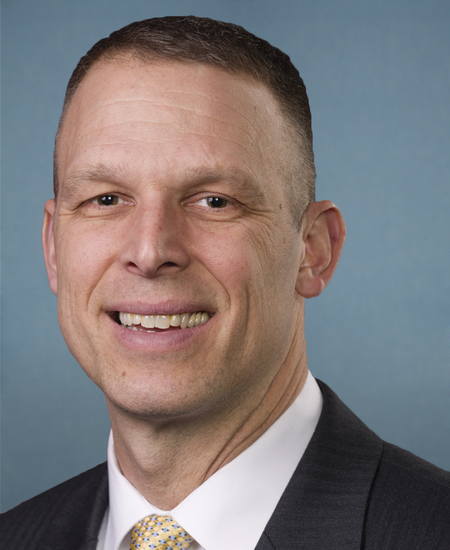
Rep. Scott Perry
Sponsored bills
Maddy summaryThis bill directs U.S. national security agencies to evaluate whether specific communications equipment and services from seven Chinese companies pose an unacceptable risk to American national security. If these agencies fail to make a determination within a year, or if they find the technology risky, the Federal Communications Commission will add these products to a restricted list that prevents their use on federal networks. The legislation also requires the Department of Defense to decide if these same companies should be officially classified as Chinese military entities operating in the United States. Additionally, the bill mandates that all findings and decisions regarding these determinations be reported to Congress, either in unclassified form or with a classified annex.
Maddy summaryThis bill, titled the Permanent Trump Secure Border Act, aims to strengthen border security and reform immigration enforcement by directing the Department of Homeland Security to resume and complete the construction of a physical border wall, expand the use of surveillance technology, and increase staffing levels for Border Patrol agents. It also imposes stricter rules on asylum eligibility and employment authorization for applicants, mandates the reopening of specific immigration detention facilities, and requires the return of individuals arriving from contiguous foreign countries to those nations while their claims are processed. Additionally, the legislation expands penalties for visa overstays, limits the use of certain digital tools like the CBP One app, and includes provisions to reduce funding for organizations that facilitate illegal entry or provide services to inadmissible aliens.
Maddy summaryThe Preserving Our Constitution Act of 2026 prohibits federal courts and government agencies from recognizing or enforcing foreign laws, religious codes, or customs that conflict with the U.S. Constitution. Specifically, it bars the application of rules that discriminate based on race, religion, or gender; restrict freedom of speech or religion; permit forced or underage marriages; or allow cruel punishments and human sacrifice. The bill also prevents U.S. courts from enforcing contracts that choose to apply such incompatible foreign laws or from honoring judgments made by foreign tribunals using those laws. While the legislation establishes these strict prohibitions, it does not create a new private right for individuals to sue for damages if the rules are violated.
Maddy summaryThe Homeownership Eligibility Reform Act restricts access to government-backed and private mortgage insurance for single-family homes to individuals who are U.S. citizens. Specifically, the bill amends laws governing the Federal Housing Administration, Fannie Mae, and Freddie Mac to require that borrowers for one-to-four-unit properties must be citizens to qualify for their mortgage products. This change directly affects foreign nationals and non-citizen residents who currently might purchase homes with these types of financing, effectively limiting their eligibility for these specific mortgage programs.
Maddy summaryThis bill proposes a constitutional amendment to repeal the Seventeenth Amendment, which currently mandates the direct election of U.S. Senators by the public. If ratified by conventions in three-fourths of the states, the change would restore the original system where state legislatures select Senators. The proposal includes a provision to protect the terms of any Senators currently serving, ensuring their positions remain unaffected by the transition. This measure directly impacts the method of choosing Senators and would alter the balance of power between the federal government and state legislatures.
Maddy summaryThis bill creates a new type of tax-advantaged savings account called a "home savings account" designed to help individuals save for housing expenses. It allows taxpayers to deduct up to $10,000 annually from their income for cash contributions made to these accounts, with a higher limit of $20,000 for married couples filing jointly. Money withdrawn from the account is tax-free only if it is used to buy a principal residence or pay down the mortgage on that home; otherwise, the withdrawal is taxed as income and subject to a 20% penalty. The legislation also permits a one-time transfer of funds from an existing retirement plan into a new home savings account and includes specific rules for handling excess contributions, account transfers due to divorce, and inheritance after the account holder's death.
Maddy summaryThe End EPA Abuse Act of 2026 amends the Clean Air Act to limit the Environmental Protection Agency's authority to create new regulations. Specifically, it prohibits the EPA Administrator from issuing rules that restrict the sale or use of internal combustion engine vehicles, force power plants to switch fuel sources, or reduce the reliability of the electric grid. The bill also bars the agency from mandating technologies that are commercially unavailable, too expensive without subsidies, or technically unfeasible due to geographic or infrastructure limitations. Additionally, the law prevents the EPA from expanding its regulatory power beyond what Congress originally intended. These changes directly affect the EPA's ability to enforce environmental standards and impact industries such as automotive manufacturing and energy production.
Maddy summaryThe USCP Empowerment Act of 2025 grants the United States Capitol Police (USCP) new authority to address drone threats near Capitol facilities. It allows USCP officers to detect, track, disrupt, seize, or destroy unmanned aircraft systems (drones) posing credible security risks to the Capitol Buildings, Capitol Grounds, or designated areas without prior consent, while requiring coordination with the Transportation Secretary and FAA for aviation safety. The bill includes strict privacy safeguards, limiting intercepted drone communications to 180 days unless needed for investigations, and mandates quarterly reports to Congress detailing drone operations, privacy protections, and impacts on airspace. This law directly affects USCP operations and drone operators near Capitol security zones.