

Maddy summaryThis bill amends the Justice for United States Victims of State Sponsored Terrorism Act to establish a fifth round of payments for eligible victims of state-sponsored terrorism, requiring all authorized payments to be distributed by December 31, 2024. It directs specific funds into the Victims of State Sponsored Terrorism Fund, including $898 million from the Binance case settlement and 50% of annual unobligated balances from DOJ and Treasury forfeiture funds starting December 1, 2024. The bill mandates annual payments beginning January 1, 2025, for eligible claimants and requires the Special Master to submit annual reports on fund activity to Congress, including detailed deposit and disbursement records. It directly affects victims of state-sponsored terrorism, the Special Master administering the fund, and federal agencies managing forfeiture funds.
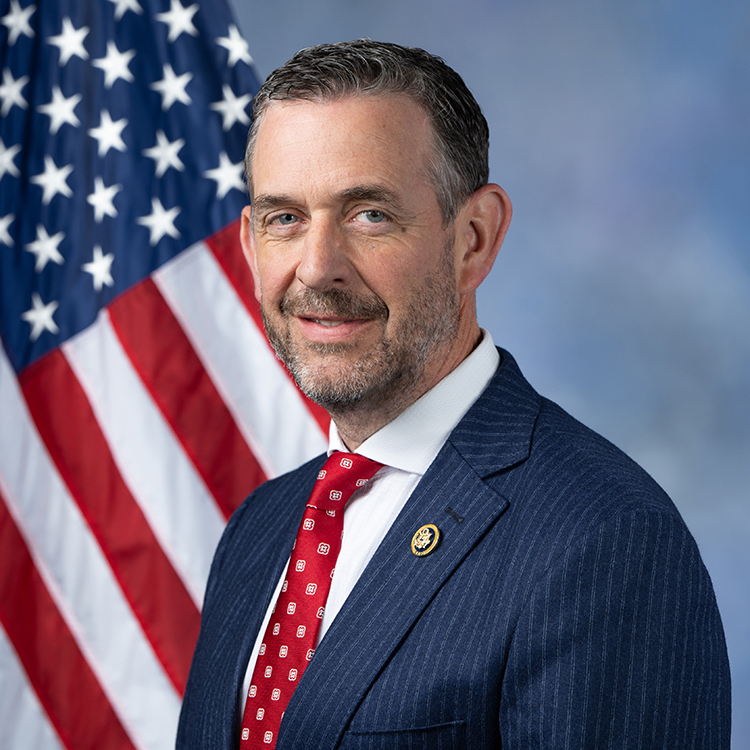
Rep. Michael A. Rulli
Sponsored bills
Maddy summaryThis bill (HJRES 163) is a congressional disapproval resolution targeting an Environmental Protection Agency (EPA) rule finalized on May 9, 2024. The EPA rule established new emissions standards for greenhouse gases from fossil fuel power plants (both new and existing) and repealed a previous rule called the Affordable Clean Energy Rule. The resolution would block this EPA rule from taking effect by invoking the Congressional Review Act (Chapter 8 of Title 5, U.S. Code). If passed, it would prevent the EPA rule from being enforced, directly affecting fossil fuel power plant operators and the EPA’s regulatory authority over emissions.
Maddy summaryThis bill amends existing law to expand eligibility for mental health services under the Public Health Service Act. It redefines "covered institution" to include both career and technical education (CTE) schools (as defined by the Perkins Act) and traditional colleges (as defined by the Higher Education Act). This change ensures CTE schools - previously excluded - can now access federal funding for student mental health and substance use disorder services that were previously only available to traditional colleges. The bill does not create new programs but adjusts terminology to include CTE schools under existing service provisions.
Maddy summaryThis bill adds "galactose-alpha-1,3-galactose" (alpha-gal) to the list of major food allergens under federal law. It requires food manufacturers to clearly label products containing alpha-gal, which is found in red meat and some other animal-derived foods, directly affecting consumers with alpha-gal syndrome (a meat allergy often triggered by tick bites). The law excludes certain mammal-derived ingredients (like those from alpha-gal-knockout animals) if they fall below a detectable limit. The new labeling requirement will take effect on January 1, 2026, giving manufacturers time to adjust. This change ensures clearer allergen information for people with this specific allergy.
Maddy summaryHR 9274, the SHAWL Act, establishes two new Smithsonian museums: the National Museum of the American Latino and the American Women’s History Museum. It authorizes both museums to be located within the National Mall’s "Reserve" area, overriding prior restrictions, and requires federal agencies managing potential sites to transfer jurisdiction to the Smithsonian after notifying congressional committees. The bill mandates that both museums accurately represent diverse cultures, histories, and viewpoints within Latino and women’s communities through exhibits and programs, requiring input from a broad range of community experts. It also requires the Smithsonian to submit biennial reports to Congress detailing compliance with these representation requirements.
Maddy summaryThis bill increases funding for replacing insecure communication networks from $1.9 billion to $4.98 billion and allocates $3.08 billion for fiscal year 2024. It overhauls the Affordable Connectivity Program (ACP) by requiring all providers to use the National Verifier for eligibility checks, ending eligibility based on providers' own low-income programs, and removing device subsidies. The bill also mandates new antifraud controls, requires providers to certify households won't face early termination fees, and demands a report on program effectiveness within one year. These changes directly affect low-income households receiving subsidized broadband and internet service providers participating in the ACP.
Maddy summaryThis bill imposes sanctions on individuals and entities within the Palestinian Authority (PA) and Palestine Liberation Organization (PLO) that administer or support a system paying terrorists and their families. It targets PA/PLO officials, specific entities like the Commission of Prisoners, and financial institutions processing these payments, requiring property blocking, visa bans, and restrictions on U.S. financial transactions. The sanctions apply if the PA/PLO continues payments described in the Taylor Force Act (2018), which previously mandated ending such payments. The bill terminates if the Secretary of State certifies the PA/PLO has ceased these payments.
Maddy summaryHR 9074, the Safe Freight Act of 2024, requires major freight railroads to operate most trains with a minimum two-person crew (one conductor and one engineer) on main-line tracks. This applies to trains on tracks carrying significant traffic (over 5 million gross tons annually) with speeds exceeding 25 mph, unless specific exceptions apply - such as short-distance moves, non-main-line operations, or existing low-crew operations deemed safe. The law specifically prohibits these exceptions for trains carrying hazardous materials (like flammable liquids, explosives, or toxic gases) or those exceeding 7,500 feet in length. The bill aims to standardize safety crew requirements without altering existing federal safety authority.
Maddy summaryThe Railroad Safety Enhancement Act of 2024 establishes new safety requirements for high-hazard trains carrying hazardous materials, including speed limits of 50 mph (40 mph in urban areas) for trains with 20 or more flammable liquid tank cars. The bill requires rail carriers to provide real-time electronic train consist information to emergency responders and State emergency commissions, including details about hazardous materials being transported, routes, and emergency response contacts. It mandates railroads to develop and regularly update hazardous materials emergency response plans, with triennial reviews by the Federal Railroad Administration. The act also phases out older tank cars by December 2027, requiring all tank cars to meet DOT-117 specifications for flammable liquids, and increases civil penalties for rail safety violations up to $5 million.
Keep Every Extra Penny Act of 2024 This bill excludes from gross income, for income tax purposes, overtime compensation required to be paid by the Fair Labor Standards Act of 1938 (hours of work in excess of 40 in a week).