

Maddy summaryThe E-Access Act aims to enhance electric and natural gas consumers' access to their own energy usage and cost information, directly affecting consumers, utilities, and third-party energy management companies. It requires the Department of Energy and Federal Energy Regulatory Commission to develop model guidelines for states to standardize secure and timely access to this data for consumers and their authorized third-party designees. These guidelines promote the use of open standards like "Green Button Connect My Data," ensuring data is electronic, machine-readable, and includes privacy protections, while also setting rules for electric meter software platforms to foster fair competition. States that adopt policies aligned with these federal guidelines may receive financial assistance to implement related programs. Additionally, the bill mandates a report on the costs and benefits of using individual meter data for wholesale electricity market settlement.
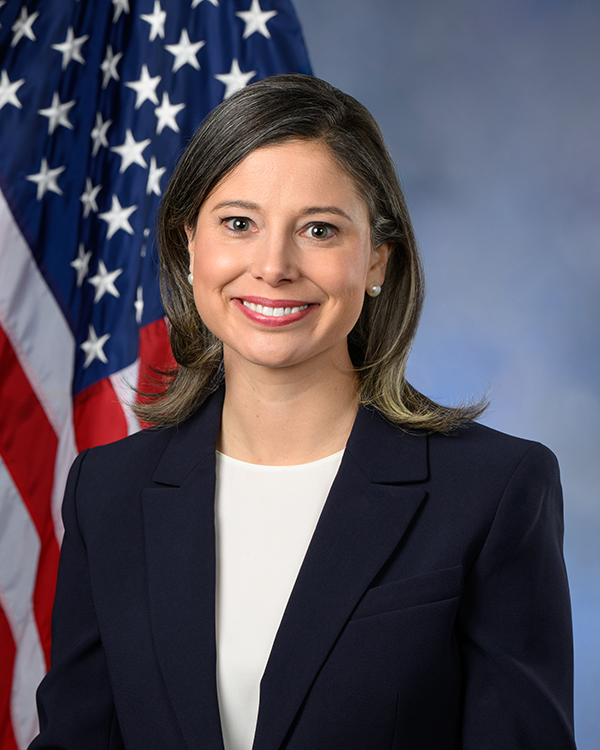
Rep. Maggie Goodlander
Sponsored bills
Maddy summaryThis bill increases the annual stipend for books, supplies, and educational materials under the Post-9/11 GI Bill from $1,000 to $1,400, effective immediately. It also establishes a new automatic annual adjustment starting in fiscal year 2026, tying stipend increases to inflation using the Consumer Price Index (CPI). Specifically, the stipend will rise each year by the percentage difference between the current CPI and the previous year’s CPI. This directly affects veterans using the Post-9/11 Educational Assistance Program for their education expenses.
Maddy summaryHR 7652, the Respect for Local Communities Act, requires the federal government to obtain local community input before building new U.S. Immigration and Customs Enforcement (ICE) detention centers or processing facilities. The bill mandates a 30-day public comment period in the Federal Register, written agreements with local mayors/councils and the state governor, and a 30-day waiting period after reporting to congressional committees before construction or operation begins. It directly affects local governments (mayors, city/county councils) and state governors who must agree to new facilities, and applies to any new ICE facility built after the bill's enactment. Key provisions include requiring an economic impact analysis, environmental compliance checks, and detailed public notice before federal agencies can proceed. The bill does not block construction but adds specific procedural steps for community engagement and oversight.
Maddy summaryHR 7615, the RELIEF Act, requires the U.S. Customs and Border Protection Commissioner to refund all tariffs collected under emergency economic powers laws (specifically the International Emergency Economic Powers Act) for imports entered on or after January 1, 2025. It mandates these refunds be processed automatically within 90 days of the bill's enactment, without importers needing to file applications or protests. The refund applies to all importers of record for goods subject to these tariffs, covering entries including withdrawals from warehouses for consumption. This directly affects businesses importing goods subject to those specific tariffs by returning funds collected under the emergency authority.
Maddy summaryThis bill authorizes a Congressional Gold Medal to honor the Freedom House Ambulance Service, which pioneered the first paramedic-based emergency medical system in the U.S. in the 1960s. It recognizes the service's role in establishing professional pre-hospital care standards, training marginalized residents (including the first women paramedics), and influencing national EMS protocols despite being defunded in 1975. The medal will be presented to the National Museum of African American History and Culture for public display, as specified in the bill. The legislation is purely commemorative, with no new policy or funding changes, focusing on preserving the service's historical significance in medical innovation and civil rights.
Maddy summaryHR 7600, the Postal Supervisors, Managers, and Postmasters Fairness Act of 2026, requires the U.S. Postal Service to formally negotiate pay and benefits changes with unions representing supervisors, managers, and postmasters. Specifically, it mandates that the Postal Service provide written proposals to these unions 60 days before existing pay decisions expire or after new collective bargaining agreements affect these roles. The bill also shortens the dispute resolution timeline, requiring binding decisions from panels within 15 days after recommendations. This bill directly affects the Postal Service, the supervisors’ organization, and the postmasters’ organization by standardizing their negotiation process for pay and benefits.
Maddy summaryThe Corporate Crimes Against Health Care Act (HR 7537) creates new legal mechanisms to hold corporate owners and executives accountable when health care corporations experience "triggering events" that harm patients or staff, such as falling behind on payroll for over 90 days, closing, or entering bankruptcy. The bill allows the Attorney General or state attorneys general to claw back compensation (including salaries, bonuses, and equity) from executives and owners during the 10 years before or after a triggering event, with criminal penalties of 1-6 years in prison for violations. It also requires health care entities to report detailed ownership and financial information, prohibits federal health care payments to entities selling assets to real estate investment trusts, and mandates a study on profit-driven practices in health care delivery. This legislation directly affects private equity firms, health care corporations, and their executives who receive compensation during periods of financial distress.
Department of Homeland Security Appropriations Act, 2026 This bill provides FY2026 appropriations for various agencies and offices within the Department of Homeland Security (DHS), except for U.S. Immigration and Customs Enforcement (ICE), U.S. Customs and Border Protection (CBP), and management and oversight activities of the Office of the Secretary. Specifically, the bill provides appropriations to DHS for the Federal Protective Service, the Office of Inspector General, the Transportation Security Administration, the U.S. Coast Guard, the U.S. Secret Service, the Cybersecurity and Infrastructure Security Agency, the Federal Emergency Management Agency (FEMA), U.S. Citizenship and Immigration Services, the Federal Law Enforcement Training Centers, and the Science and Technology Directorate. The bill does not provide appropriations for some agencies and activities that have been funded in prior DHS appropriations acts, including ICE, CBP, and management and oversight activities of the Office of the Secretary.
Maddy summaryThe REPAIR Act requires motor vehicle manufacturers to provide car owners and independent repair shops with full access to vehicle data and repair information, prohibiting technological or legal barriers that restrict this access. It mandates that manufacturers share vehicle-generated data, critical repair information, and tools on equal terms with dealers and authorized service providers, without requiring consumers to use specific brands of parts or tools. The law establishes an advisory committee to monitor implementation and ensure fair competition in vehicle repair, while giving the Federal Trade Commission authority to enforce these requirements as unfair or deceptive practices. This legislation directly affects car owners, independent repair facilities, aftermarket parts manufacturers, and motor vehicle manufacturers by shifting control of repair information and data from manufacturers to consumers.
Maddy summaryHR 7335 establishes comprehensive humanitarian standards for individuals held in U.S. Immigration and Customs Enforcement (ICE) and U.S. Customs and Border Protection (CBP) custody. The bill requires facilities to provide immediate health screenings within 12 hours (6 hours for high-risk individuals like children, pregnant people, or those with medical conditions), ensure access to adequate water, sanitation, food (with 2,000+ calories daily for adults), and age-appropriate shelter. It mandates specific facility standards including separate housing for males and females, accessible accommodations for people with disabilities, daily outdoor access for those detained over 48 hours, and proper medical equipment and personnel on-site. The bill also requires regular inspections, staff training on humanitarian protocols, and public reporting of sexual abuse complaints. These standards directly affect all individuals detained by ICE or CBP, with special protections for vulnerable groups like children, pregnant people, and those with medical needs.