

Maddy summaryThis bill extends the Digital Coast program through 2030, amending the existing Digital Coast Act. It requires NOAA to make coastal data "fully and freely available" (not just accessible) and explicitly includes underground infrastructure data in the types of information collected. The changes directly affect NOAA, which manages the program, and entities relying on its coastal data for planning and development. The bill focuses on updating program requirements rather than creating new policies.
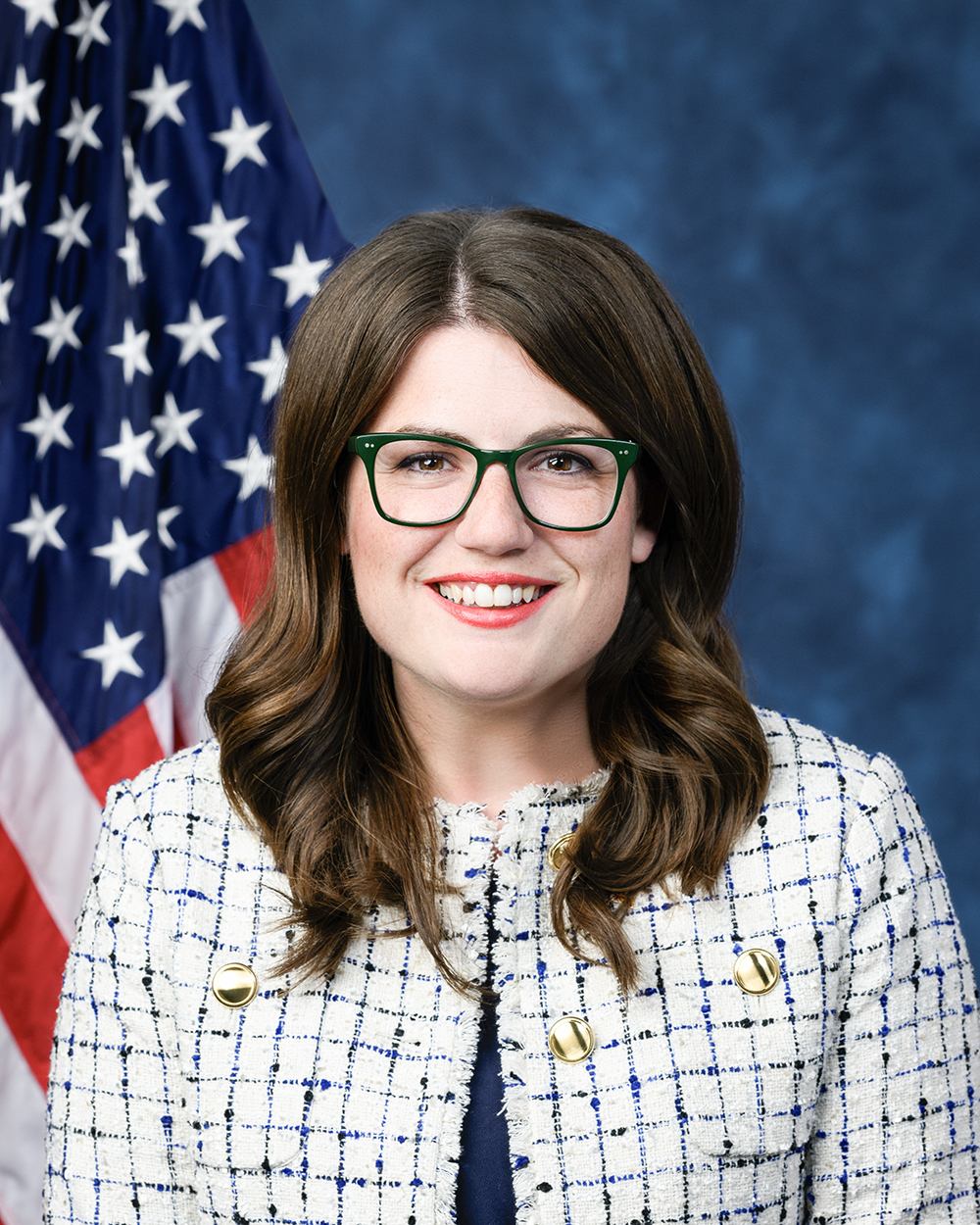
Rep. Sarah Elfreth
Sponsored bills
Maddy summaryHR 5843, the "Shutdown Student Loans for Feds Act," would pause federal student loan payments for eligible federal employees and certain contractors during any government shutdown lasting 14+ days. It prevents interest from accruing on these loans during the pause and counts the paused months toward loan forgiveness eligibility under existing programs. The bill also requires credit agencies to treat paused payments as if they were made on time. This applies to shutdowns occurring in fiscal year 2026 or later, with retroactive effect covering shutdowns starting September 30, 2025, and potential refunds for payments made during those periods.
Maddy summaryHR 5849, the USCP Act, ensures Capitol Police officers continue receiving pay during government shutdowns. It directs funds from the Treasury to cover Capitol Police salaries and expenses if discretionary funding lapses after the bill's enactment. This directly affects U.S. Capitol Police employees, guaranteeing they are paid even when the federal government is partially closed. The bill provides a specific funding mechanism to prevent pay interruptions during shutdowns. It does not alter Capitol Police duties or create new requirements.
Maddy summaryThe American Energy Independence and Affordability Act extends multiple clean energy tax credits that were set to expire between 2025 and 2026. It specifically extends residential clean energy credits through 2034, clean electricity investment credits for wind and solar through 2032, and clean vehicle credits for electric vehicles through 2032. The bill also reinstates special rates for sustainable aviation fuel and modifies requirements for energy-efficient home improvements. These provisions directly affect homeowners installing solar panels, businesses investing in clean energy infrastructure, and manufacturers producing clean energy equipment.
Maddy summaryHR 5855, the Measuring the Cost of Disasters Act of 2025, requires the National Oceanic and Atmospheric Administration (NOAA) to create and maintain a public database and webpage tracking U.S. billion-dollar disasters. The database must include each disaster’s estimated cost, type, location, date, and visual mapping features showing trends over time, updated at least twice yearly. It defines a "billion-dollar disaster" as events costing $1 billion or more in combined direct and economic costs, and mandates NOAA to use existing data sources while continuing to archive the previous NCEI disaster database. This bill directly affects the public and researchers by providing transparent, accessible data on disaster impacts, without altering disaster response or funding mechanisms.
Maddy summaryThis bill restores the pre-January 20, 2025, administrative structure of the Head Start program within the Department of Health and Human Services. It establishes a central Office of Head Start with 12 regional offices, requiring the Secretary to maintain all prior staffing levels, organizational structure, and functions. The bill prohibits the Secretary from restructuring the office or reducing staff without providing 60 days' notice to Congress and the public, ensuring continuity in program oversight. It directly affects the Office of Head Start, its regional offices, and HHS staff managing Head Start operations.
Maddy summaryHRES 807 is a procedural resolution requesting the President to provide specific documents to the House of Representatives about government employee pay during a funding gap. It asks for unredacted communications related to potential pay withholdings, legal arguments about the Government Employee Fair Treatment Act, and plans affecting furloughed federal employees during the October 1, 2025, appropriations lapse. The resolution directly targets the President and relevant agencies (like OMB and OPM) to disclose internal records within 14 days. It does not change policy but seeks transparency about decisions impacting federal workers' pay during a funding interruption.
Keep Air Travel Safe Act This bill provides continuing appropriations for the Transportation Security Administration (TSA) during any period in which there is a lapse in appropriations for TSA. It also requires the continuing appropriations to be funded using certain unobligated funds that were provided to U.S. Immigration and Customs Enforcement by the One Big Beautiful Bill Act. The bill provides the appropriations for TSA to continue all programs, projects, or activities (including the costs of direct loans and loan guarantees) that were funded in the preceding fiscal year. The appropriations provided by this bill are available from the first day of a lapse in appropriations for TSA until the earlier of the date on which the applicable regular appropriations bill for the fiscal year becomes law or a joint resolution making continuing appropriations becomes law, or the date that is 180 days after the first day of a lapse in appropriations.
Maddy summaryThis bill makes federal funding for the WIC program mandatory by requiring Congress to appropriate necessary funds annually for fiscal year 2026 and each subsequent year. It removes discretionary language from WIC funding requirements and clarifies that eligible participants must be served without participation limits. The bill directly affects low-income pregnant women, new mothers, and young children who rely on WIC for nutrition assistance, ensuring continued access to critical food, health, and education services.
Maddy summaryHRES 797 is a non-binding resolution expressing concern about the rising number of book bans in U.S. schools and libraries. It cites PEN America data showing 6,870 book bans affecting 3,751 titles between July 2024 and June 2025, with books about race, LGBTQ+ experiences, and marginalized communities disproportionately targeted (e.g., *The Handmaid’s Tale*, *Maus*, *This Book Is Gay*). The resolution calls on schools to follow best practices for book challenges, protect students’ access to diverse materials, and return books removed from military schools under recent executive orders. It directly addresses students, educators, librarians, and authors impacted by censorship, emphasizing that such bans threaten free expression and democratic values.