

Maddy summaryThe Data to Save Moms Act aims to improve maternal health outcomes by increasing funding and support for maternal mortality review committees across the United States. The bill provides $10 million annually from 2027 to 2031 to help these committees recruit more diverse community members, including people with personal experiences of maternal mortality or severe health complications, and to address barriers like transportation and compensation that prevent participation. It also requires committees to conduct outreach to racial and ethnic minority communities and publicly report on their review processes and diversity efforts. Additionally, the legislation directs the Health and Human Services Secretary to study maternal health data collection methods, conduct a specific study on American Indian and Alaska Native maternal health outcomes, and award grants to minority-serving institutions for research on maternal mortality disparities.
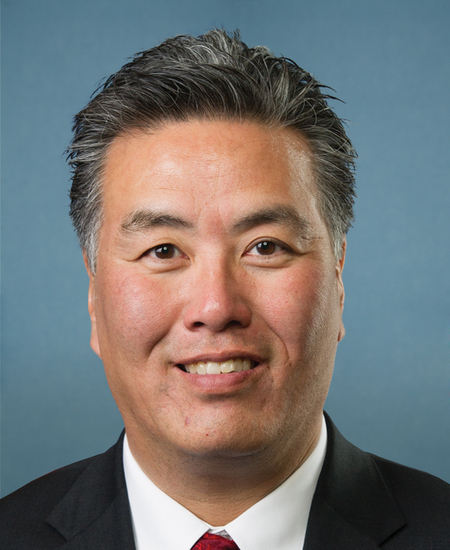
Rep. Mark Takano
Sponsored bills
Maddy summaryThe Perinatal Workforce Act directs the Department of Health and Human Services to issue guidance encouraging hospitals, insurers, and maternity care providers to recruit and retain diverse healthcare professionals, including midwives, physician assistants, and perinatal health workers, while incorporating implicit bias and racism training into their practices. The bill authorizes $15 million annually from 2027 to 2031 for grants that establish or expand accredited education programs for perinatal health professionals, prioritizing schools that recruit students from racial and ethnic minority groups and those planning to practice in areas with maternal health disparities. Additionally, the legislation creates a separate grant program for nursing schools to provide scholarships to students pursuing careers in maternal and perinatal health, with similar diversity and training requirements. The act also requires the Secretary of HHS to conduct a study on respectful maternity care practices and mandates periodic reports from the Government Accountability Office on barriers to maternal health education and access to care.
Extending WIC for New Moms Act This bill amends the Special Supplemental Nutrition Program for Women, Infants, and Children (WIC) to extend the eligibility periods for breastfeeding and postpartum women. Specifically, a state program may elect to certify a breastfeeding woman for up to 24 months (currently 1 year) postpartum. The bill also expands the eligibility period for postpartum women to up to 24 months after termination of pregnancy (currently 6 months). The Department of Agriculture must submit a report to Congress evaluating the effect of these changes to the program on (1) maternal and infant health outcomes, (2) breastfeeding rates, and (3) qualitative evaluations of family experiences under WIC.
Maddy summaryThe Carlton H. Ingram Veterans’ Benefits Improvement Act amends federal law to change how the Department of Veterans Affairs (VA) rates disabilities for veterans. The bill requires the VA's disability rating schedule to discount the beneficial effects of medication or treatment when assessing a veteran's condition, if a baseline without those effects can be established. This means the VA should rate the underlying severity of a service-connected disability, rather than its improved state due to ongoing treatment. However, the bill clarifies that this change does not prevent veterans from seeking compensation for additional disabilities caused by their medication or treatment, or for the aggravation of a pre-existing service-connected condition.
Maddy summaryThe GUARDRAILS Act (HR 8031) repeals the December 11, 2025 Executive Order on Artificial Intelligence, which previously established a national policy framework for AI development. By removing this executive order, the bill prevents the federal government from using funds to implement, enforce, or administer the policies outlined in that directive. This change directly affects federal agencies and any organizations that were relying on the executive order's framework for AI regulation. The legislation does not create new AI rules but instead eliminates the existing executive mandate that had been in place.
Maddy summaryThe Energy Bills Relief Act aims to lower household energy costs and accelerate the development of low-cost, clean energy by modifying federal tax credits, expanding weatherization programs, and streamlining permitting processes. Key provisions include restoring tax incentives for renewable energy projects, increasing funding for low-income heating assistance, and requiring federal agencies to treat wind, solar, and storage projects with the same procedural fairness as oil and gas projects. The bill also establishes new incentives for upgrading the electricity grid, such as tax credits for transmission lines and grants for wildfire prevention measures, while creating mechanisms to ensure utilities serve public interests and protect consumers from price volatility.
Maddy summaryThis bill requires the Department of Veterans Affairs (VA) to cover abortion care, counseling, and related medication as part of standard hospital and medical services for eligible veterans and certain dependents. It amends VA healthcare law to explicitly include these services under existing coverage for veterans qualifying under section 1703 and dependents eligible under section 1781(a). The policy directly affects veterans and their dependents enrolled in VA healthcare programs by expanding covered benefits to include abortion-related care. This is a concrete policy change to VA healthcare benefits, not a broader abortion law.
Maddy summaryThis resolution commemorates the fifth anniversary of the March 16, 2021, Atlanta spa shootings that killed eight people and denounces ongoing anti-Asian hate and xenophobic rhetoric. It honors the victims, condemns the violence, and calls for improved hate crime reporting and support services for affected communities. The measure also urges efforts to combat online disinformation, promote education on Asian American history, and expand federal programs aimed at preventing hate crimes.
Maddy summaryThis bill, known as the Fair Wages for Home Care Workers Act, would change federal labor rules to require overtime pay and minimum wage protections for certain babysitters. It specifically targets casual babysitting work that is irregular or intermittent, while excluding trained medical professionals like nurses and home health aides from these changes. The law would also allow babysitters to perform up to 20% of their work time on unrelated household tasks without losing their protected status. These amendments would apply to workers covered by the Fair Labor Standards Act of 1938 who provide custodial care for infants or children in private homes.
Maddy summaryHRES 1107 is a House resolution urging the President to issue a proclamation flying the U.S. flag at half-staff to honor Rev. Jesse Jackson. The resolution recognizes his civil rights leadership, including founding the Rainbow PUSH Coalition and his presidential campaigns in 1984 and 1988, which advanced racial equality and economic justice. This symbolic gesture directly affects the President (as the one who would issue the proclamation) and the public, who would observe the flag at half-staff.