Maddy summaryHR 2081, the Donut Dollies Congressional Gold Medal Act, authorizes a Congressional Gold Medal to honor the 627 women who served as Red Cross volunteers in the Supplemental Recreation Activities Overseas (SRAO) program during the Vietnam War. The bill directs the Treasury Secretary to design and strike the medal, which will be presented by Congress and then given to the Smithsonian Institution for display. It also allows the sale of bronze duplicates to cover costs, with proceeds going to the U.S. Mint fund. This commemorative act recognizes the volunteers' service supporting over 280,000 troops through recreation programs across Vietnam from 1965 to 1973.
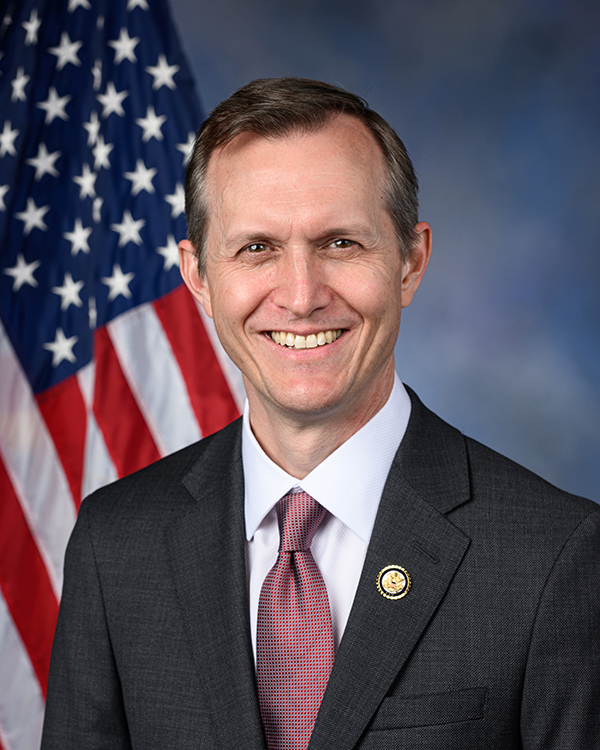
Rep. George Whitesides
Sponsored bills
Maddy summaryThis bill requires the Transportation Security Administration (TSA) to transition its workforce from a special personnel management system to the standard federal personnel system under Title 5 of the U.S. Code by December 31, 2025. It protects TSA employees by ensuring no reduction in pay, benefits, or retirement rights during the transition, while preserving collective bargaining rights for screening agents. The legislation also mandates consultation with labor unions during the process and requires several reports on workforce issues including recruitment, harassment policies, and workplace safety.
Maddy summaryHR 1973, the "No Pay for Congress During Default or Shutdown Act," would withhold pay from members of Congress during periods when the U.S. government reaches the public debt limit or experiences a shutdown. Specifically, for each 24-hour period the debt limit is reached or a shutdown occurs during the 119th Congress (2025-2027), members' pay would be reduced daily and placed into an escrow account. The withheld funds would be released to members on the last day of the 119th Congress, with no effect after the November 2026 general election. This bill directly affects current House and Senate members serving in the 119th Congress during these fiscal crises.
Maddy summaryThis bill (HR 1988) provides unemployment benefits eligibility for certain federal workers and military members during government shutdowns. It deems eligible employees - such as military personnel, NOAA Commissioned Corps members, and excepted civilian workers performing emergency duties - as "totally separated from federal service" during funding gaps. This allows them to access unemployment benefits immediately, without waiting periods, for weeks of unemployment starting March 14, 2025. The bill directly affects federal employees who remain on duty but are unpaid due to shutdowns.
Maddy summaryHR 956, the Aerial Firefighting Enhancement Act of 2025, updates the 1996 Wildfire Suppression Aircraft Transfer Act to improve how the Department of Defense sells aircraft and parts for wildfire fighting. It specifically adds "water" to the list of materials usable for suppression (alongside fire retardant) and clarifies that sold aircraft can only be used for wildfire suppression services, not other purposes. The bill extends the authorization period for these sales from October 1, 2025, to October 1, 2035. This directly affects the Department of Defense, which manages the sales, and wildfire suppression agencies that would use the aircraft and equipment. The changes aim to streamline access to aerial firefighting resources while ensuring they are used solely for wildfire response.
Maddy summaryTim's Act establishes pay parity for Federal wildland firefighters employed by the Department of Agriculture, Department of the Interior, and Tribal Firefighters. It creates special base pay rates that increase General Schedule base rates by specific percentages (1.5% to 42%) based on job grade, and provides incident response premium pay at 450% of hourly rate for qualifying wildfire incidents. The bill also establishes rest and recuperation leave after firefighting operations, requires a public cancer database tracking environmental exposure, and creates a mental health support program for firefighters. Additionally, it addresses retirement benefits, disability annuities, and creates a casualty assistance program for families of firefighters injured or killed in the line of duty.
Congressional Trade Authority Act of 2025 This bill requires congressional approval for a presidential import adjustment due to a national security threat from an import and limits the adjustments to certain goods that are essential to national security. Specifically, the bill limits the President's authority for such import adjustments to goods related to the development, maintenance, or protection of military equipment, energy resources, or critical infrastructure essential to national security. The bill specifies that the term national security (1) means the protection of the United States from foreign aggression, and (2) does not otherwise include the protection of the general welfare of the United States. The bill requires the President to submit a proposal to Congress to adjust imports. Congress must then approve the proposal with a joint resolution before an import adjustment takes effect. Under current law, the President determines whether any adjustment of an import is necessary and must submit to Congress the reasons for any action taken or not taken. Currently, there is a congressional disapproval mechanism to override presidential actions related to petroleum imports. The bill also requires the Department of Defense (currently, the Department of Commerce) to investigate the effect of these imports on national security and submit a report before the President determines whether an adjustment to an import is necessary, establishes requirements for a process to grant requests to exclude certain goods from import adjustments, and applies retroactively to any proposed action taken up to six years before the enactment of this bill.

Maddy summaryHR 471, the Fix Our Forests Act, establishes a new system for identifying and managing high-risk wildfire areas called "firesheds" and creates a centralized Fireshed Center to coordinate wildfire risk management across federal agencies. The bill streamlines environmental reviews for wildfire risk reduction projects, allowing for faster implementation of hazardous fuels management activities in designated areas. It includes provisions for community wildfire risk reduction programs, water source protection, and specific initiatives for restoring white oak forests. The legislation also includes litigation reforms to expedite forest management projects and reduce delays from legal challenges. These provisions aim to reduce wildfire risk and improve forest health through more coordinated, data-driven management approaches.
Maddy summaryThis bill strengthens the Voting Rights Act of 1965 by clarifying how to prove voting discrimination and expanding requirements for preclearance of voting changes. It establishes new standards for determining when voting practices dilute minority voting strength or deny/abridge voting rights, requiring plaintiffs to show specific conditions for vote dilution claims and including factors like historical discrimination and racial polarization in court analyses. The bill modifies the criteria for determining which states and political subdivisions must seek preclearance for voting changes, and adds new transparency requirements for jurisdictions to publicly disclose changes to voting qualifications, polling locations, and election districts. It directly affects states and local governments that implement voting policies, particularly those with a history of voting rights violations or that make changes to voting qualifications, procedures, or district boundaries. The bill aims to prevent discriminatory voting practices by providing clearer standards for courts and requiring greater transparency in voting rule changes.
Maddy summaryThe Richard L. Trumka Protecting the Right to Organize Act of 2025 strengthens workers' organizing rights by making it an unfair labor practice for employers to threaten permanent replacement of striking workers, discriminate against workers who support unions, or require employees to attend employer campaigns unrelated to their job duties. It expands the definition of "employee" to make it harder for companies to classify workers as independent contractors and requires employers to post notices about workers' rights in conspicuous locations. The bill establishes a new electronic voting system for union elections, creates a 90-day bargaining period before mediation can be requested, and increases penalties for violations of labor laws. These changes are intended to make it easier for workers to form unions and negotiate better wages and working conditions.