Maddy summaryThe COWS Act of 2025 creates a new program to help livestock and dairy farmers adopt manure management practices that reduce greenhouse gas emissions, such as composting, pasture-based systems, and technologies avoiding wet storage. It provides financial incentives (up to 100% of costs for planning, equipment, and implementation) with at least 50% paid upfront, prioritizing small/mid-sized operations, beginning farmers, and socially disadvantaged producers. The bill requires the Secretary to develop evaluation criteria focused on maximizing carbon sequestration, emissions reductions, and environmental benefits like improved water quality, while offering technical assistance for implementation.
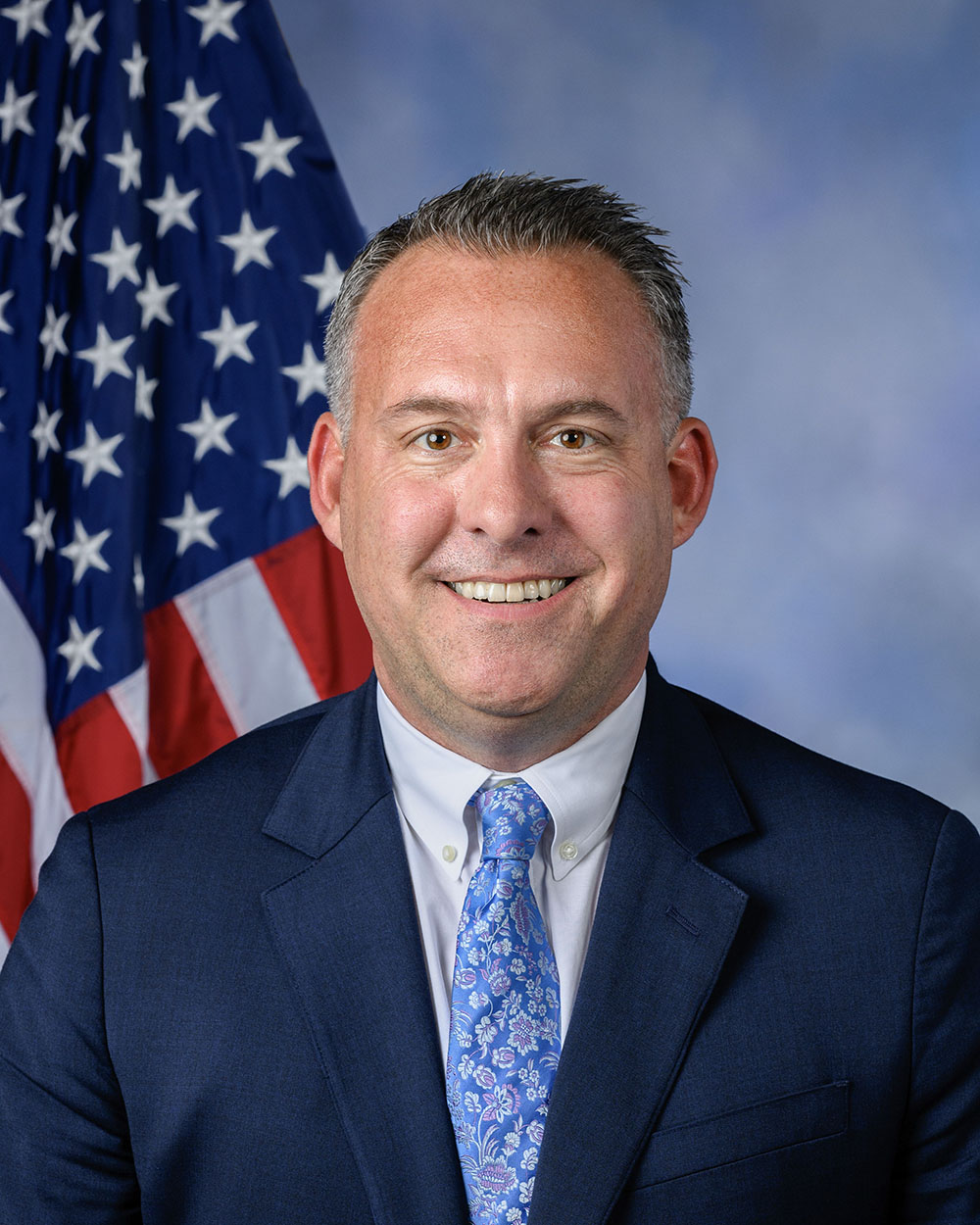
Rep. Adam Gray
Sponsored bills
Give Kids a Chance Act of 2025 This bill expands the Food and Drug Administration’s (FDA’s) authority with respect to research on rare pediatric diseases, including by permitting the FDA to take enforcement action against drug sponsors that fail to satisfy pediatric study requirements and by reauthorizing programs that support pediatric research. Specifically, the bill modifies requirements relating to molecularly targeted pediatric cancer investigations to permit research on new drugs in combination with active ingredients that have already been approved, provided certain conditions are met; permits the FDA to take enforcement action against drug sponsors that fail to comply with pediatric study requirements, if such sponsors demonstrated a lack of due diligence in satisfying the requirement; renews the FDA’s authority to award priority review vouchers to sponsors of new products intended to treat rare pediatric diseases through September 30, 2029; and reauthorizes through FY2027 certain funding for the National Institutes of Health to support priority pediatric research. The bill also provides statutory authority for the FDA’s interpretation of the orphan drug exclusivity period. The bill specifies, consistent with FDA regulations, that the seven-year market exclusivity period for drugs for rare diseases or conditions (i.e., orphan drugs) prohibits the approval of the same drug for the same approved use or indication with respect to the disease or condition. (In Catalyst Pharmaceuticals, Inc. v. Becerra , a court rejected the FDA’s interpretation and held that orphan drug exclusivity extends to all uses or indications for the disease or condition.)

Maddy summaryThis bill amends the Pittman-Robertson Wildlife Restoration Act to delay when interest earned on the Federal aid to wildlife restoration fund becomes available for apportionment to states. Specifically, it changes the effective date from fiscal year 2026 to fiscal year 2033, meaning states will not receive this interest for wildlife conservation funding until 2033. The bill directly affects state wildlife conservation programs that rely on these federal funds for projects like habitat restoration. The title "Wetlands Conservation and Access Improvement Act" does not reflect the bill's actual focus, which is a procedural change to fund timing rather than new conservation measures.
Maddy summaryThis bill defines "urban canals of concern" as city-area canals where failure could endanger over 100 people or cause more than $5 million in property damage. It requires the Secretary of the Interior to fund 35% of emergency maintenance costs for these high-risk canals, with local operators covering the remaining costs. Federal funding is non-reimbursable for the 35% share, but local entities must repay any additional federal funds provided. The policy applies specifically to canals previously transferred to local management under federal programs.
Maddy summaryThis bill would require Medicare to cover early detection screening tests for Alzheimer's disease and related dementias starting January 1, 2028. It defines eligible tests as FDA-cleared genomic blood tests, blood product analyses, or equivalent medical imaging methods (like protein expression or whole genome sequencing) that detect pre-symptomatic or early-stage conditions. Medicare beneficiaries would receive this coverage without cost-sharing for these specific screenings. The bill amends Medicare coverage rules to explicitly include these tests under Section 1861(nnn) of the Social Security Act.
This bill designates the facility of the United States Postal Service located at 28201 Franklin Parkway in Santa Clarita, California, as the "Deputy Ryan Clinkunbroomer Post Office Building".
Maddy summaryThis bill amends federal water storage grant programs under the Infrastructure Investment and Jobs Act to expand eligibility for projects. It sets specific capacity limits: surface water projects must store 200-30,000 acre-feet, while groundwater projects must average 200-150,000 acre-feet annually. Eligible projects must increase storage, convey water to/from storage, or stabilize groundwater levels. The bill also increases the number of annual grants from 5 to 10 and explicitly states it does not override state water laws, federal water rights, or water rights protections.
Maddy summaryThis bill extends and modifies the premium tax credit (subsidy) for health insurance purchased through the marketplace, applying to coverage for 2026 and 2027. It raises the income threshold for full subsidy eligibility from 400% to 600% of the federal poverty level, meaning more low-to-moderate-income households (up to 600% of poverty) will pay lower monthly insurance costs. The bill also adds new penalties for agents or brokers who provide false information during enrollment, including civil fines up to $50,000 per person and criminal charges for intentional fraud. These changes directly affect individuals buying health insurance through marketplaces and the agents/brokers who assist them.
Maddy summaryThis bill prohibits the Department of Veterans Affairs (VA) from requiring veterans to pay copayments for hospital care or medical services under specific circumstances. It bans copayments for all veterans receiving care, prevents retroactive billing for care received within two years if the VA failed to process claims on time, and caps copayments at $2,000 for errors caused by VA staff or systems. Veterans affected by VA processing errors or billing mistakes would no longer face these charges. The bill also grants the VA authority to waive copayments without requiring veterans to submit a formal request.
Maddy summaryThis resolution (HRES 841) is a symbolic statement expressing the U.S. House of Representatives' support for recognizing and commemorating the 1984 Sikh Genocide in India. It calls for official remembrance of the violence that killed over 30,000 Sikhs, destroyed communities, and involved state complicity, while urging accountability for perpetrators and rejecting denial of the event. The resolution does not create new laws or affect individuals directly but affirms the House's position on historical justice.