

Issue · Healthcare
Healthcare
Every healthcare bill, vote, and legislator stance in Utah, automatically classified by Maddy, our AI policy reader.
Total bills
104
2026 General Session
Top supporter
Kathleen Riebe
87% support rate
Top opponent
Lincoln Fillmore
10% support rate
Ranked legislators
10
5 support · 5 oppose
Key legislators
Who's moving healthcare in Utah
| Legislator | Party | Stance | Support rate | Votes |
|---|---|---|---|---|

Kathleen Riebe
Senate · District 15
|
D |
Strong +
|
87% | 63 |

Nate Blouin
Senate · District 13
|
D |
Strong +
|
83% | 68 |

Karen Kwan
Senate · District 12
|
D |
Strong +
|
83% | 68 |
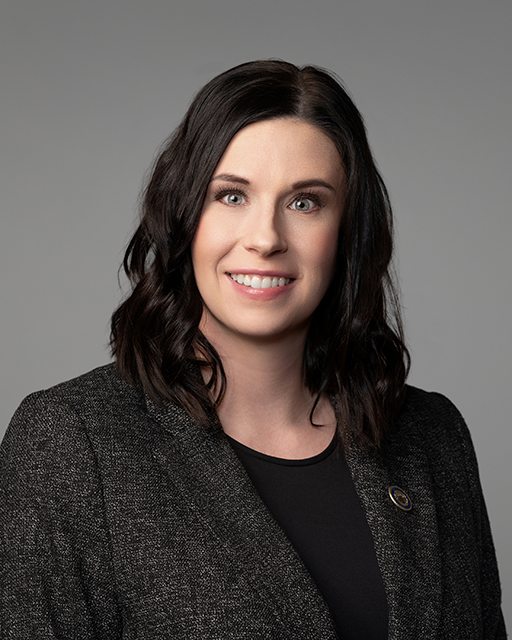
Emily Buss
Senate · District 11
|
N |
Strong +
|
82% | 63 |
Norm Thurston
House · District 62
|
R |
Strong +
|
80% | 45 |
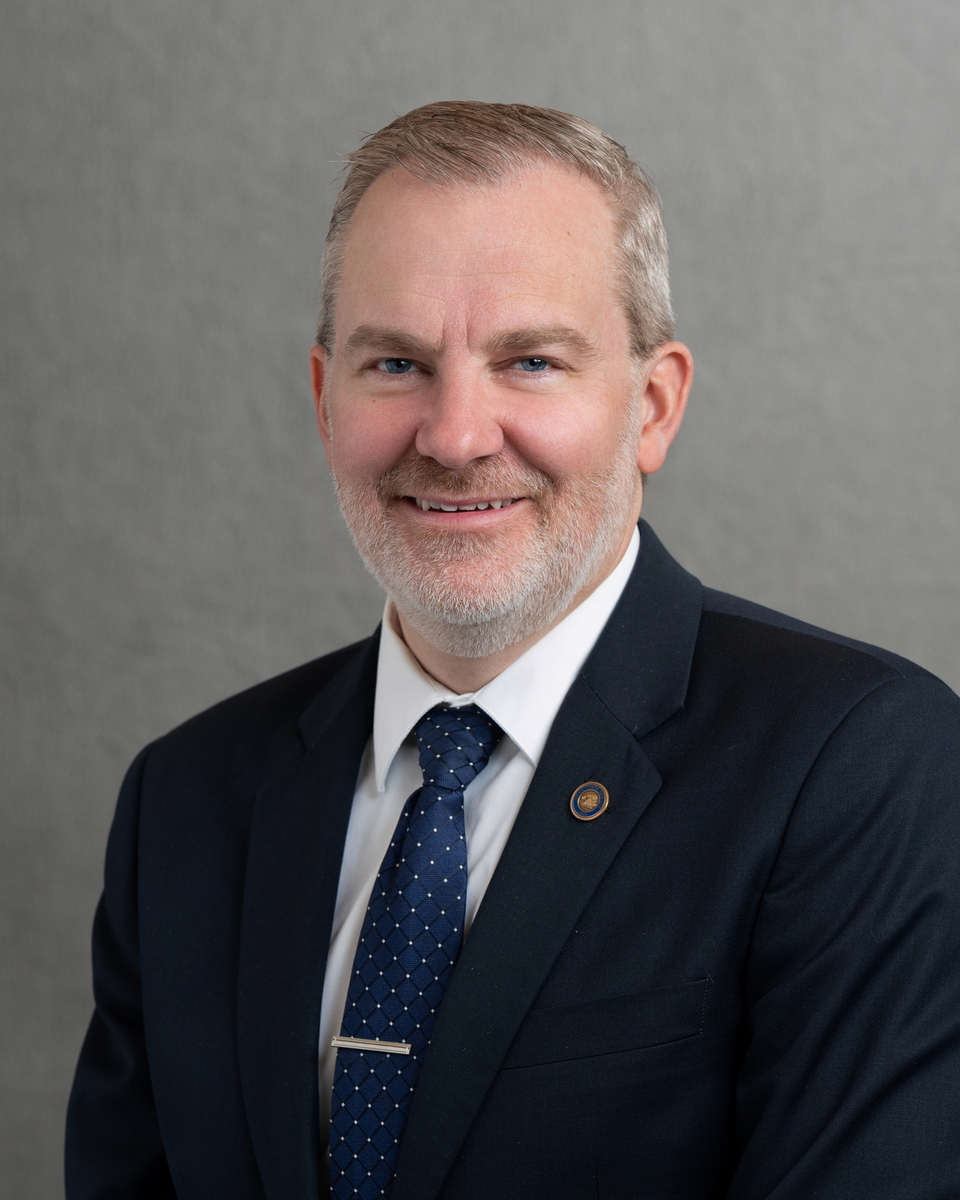
Lincoln Fillmore
Senate · District 17
|
R |
Strong −
|
10% | 56 |

John Johnson
Senate · District 3
|
R |
Oppose
|
30% | 65 |

Dan McCay
Senate · District 18
|
R |
Oppose
|
38% | 55 |
Cal Musselman
Senate · District 4
|
R |
Oppose
|
38% | 64 |

Tiara Auxier
House · District 4
|
R |
Oppose
|
38% | 42 |
Showing 11–20 of 104
bills
All healthcare bills
SB 281: Senior Nutrition Private Donation Incentives
Topics
✓ Budget & TaxesSupports Budget & TaxesCreates state matching fund to leverage private donations for senior meal programs, increasing public funding for essential services without tax increases.
✓ HealthcareSupports HealthcareBill creates a matching fund for senior meal programs under Health and Human Services, directly funding nutrition services that support elderly health access and well-being.
Tags
Seniors
HB 506: Assisted Living Amendments
Topics
✓ HealthcareSupports HealthcareProtects assisted living residents by limiting unjust discharges and creating appeals process, strengthening patient rights in healthcare facilities.
✓ HousingSupports HousingProtects assisted living residents from unjust discharges via appeals process, strengthening tenant protections in housing facilities.
Sub-Topics
Long-Term Care
HB 459: Sexual Offense Evidence and Reporting Procedures Amendments
Topics
✓ Criminal JusticeSupports Criminal JusticeGives sexual assault victims control over case handling, aligning with victim-centered criminal justice reform by expanding options without compromising medical costs or evidence protocols.
✓ HealthcareSupports HealthcareEnsures medical costs remain same regardless of reporting choice, improving access to healthcare services for sexual assault victims while involving health care professionals.
SB 279: State Homeless Campus Neighbor Tax Credit
Topics
✓ Budget & TaxesSupports Budget & TaxesCreates 50% property tax credit for nearby owners, reducing tax burden - direct tax relief under tax credits subject
✓ HealthcareSupports HealthcareBill creates tax credit for properties near campuses offering mental health services, directly advancing access to mental health care through facility incentives.
✓ HousingSupports HousingCreates tax credit for property owners near homeless services campuses, incentivizing development of facilities addressing homelessness (directly aligns with housing policy indicators).
Sub-Topics
Business Taxes
Tax Credits
Tax Incentives
Mental Health
Affordable Housing
Homelessness
Property Taxes
SB 288: Medicaid Provider Amendments
Topics
✓ Budget & TaxesSupports Budget & TaxesBill appropriates $42.7 million for Medicaid provider quality standards and referral system, increasing government spending on public health services.
✓ HealthcareSupports HealthcareEstablishes Medicaid quality standards, mandates coordinated social needs referrals, and appropriates $42.7M to improve care access and provider performance for Medicaid recipients.
HB 598: Uterine Fibroid Amendments
HB 572: Behavioral Health, Mental Health, and Social Services Amendments
Topics
✓ Criminal JusticeSupports Criminal JusticeBill integrates mental health support into criminal justice system via jail screenings, peer specialists, and transparency mandates, aligning with reform goals to reduce recidivism and improve rehabilitation.
✓ HealthcareSupports HealthcareCreates peer support specialists, family outreach for overdoses, and shifts suicide prevention fund to dedicated office - expands mental health services and coordination.
SB 285: Uninsured Children Dental Care Amendments
Topics
✓ Budget & TaxesSupports Budget & TaxesAppropriates $5M from General Fund for uninsured children's dental care, directly increasing state spending on public health services per budget allocation.
✓ HealthcareSupports HealthcareBill appropriates $5M for dental care services for uninsured children, directly expanding access to health services and funding a healthcare program.
Sub-Topics
State Budget
SB 261: Pharmacy Practice Amendments
Sub-Topics
Prescription Drugs