Issue · Education

Education

Every education bill, vote, and legislator stance in Utah, automatically classified by Maddy, our AI policy reader.

Total bills
106
2026 General Session
Top supporter
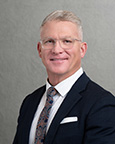
Kirk Cullimore
96% support rate
Top opponent
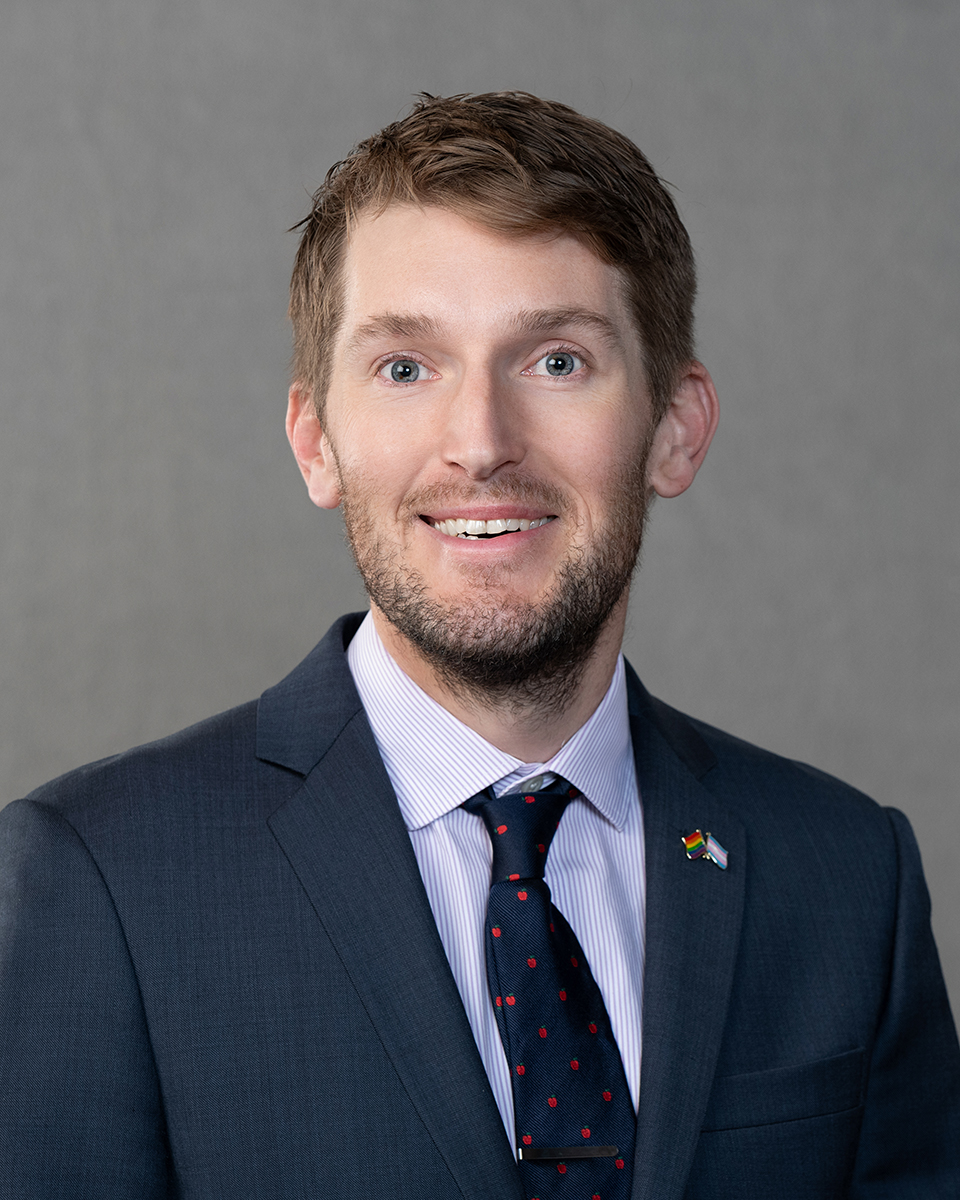
Nate Blouin
15% support rate
Ranked legislators
10
5 support · 5 oppose
Key legislators

Who's moving education in Utah

Legislators moving education in Utah
Legislator Party Stance Support rate Votes
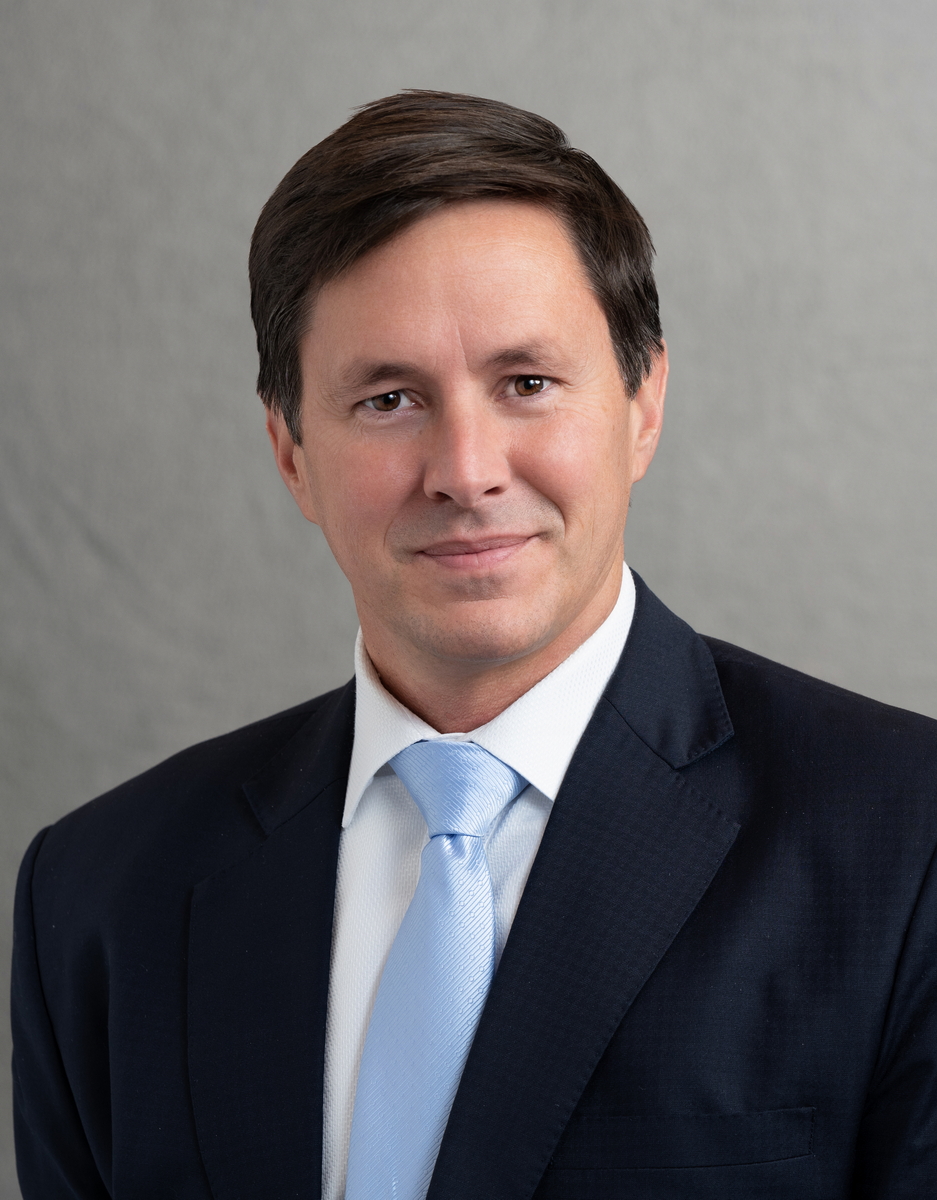
Kirk Cullimore
Kirk Cullimore Senate · District 19
R
Strong +
96% 52
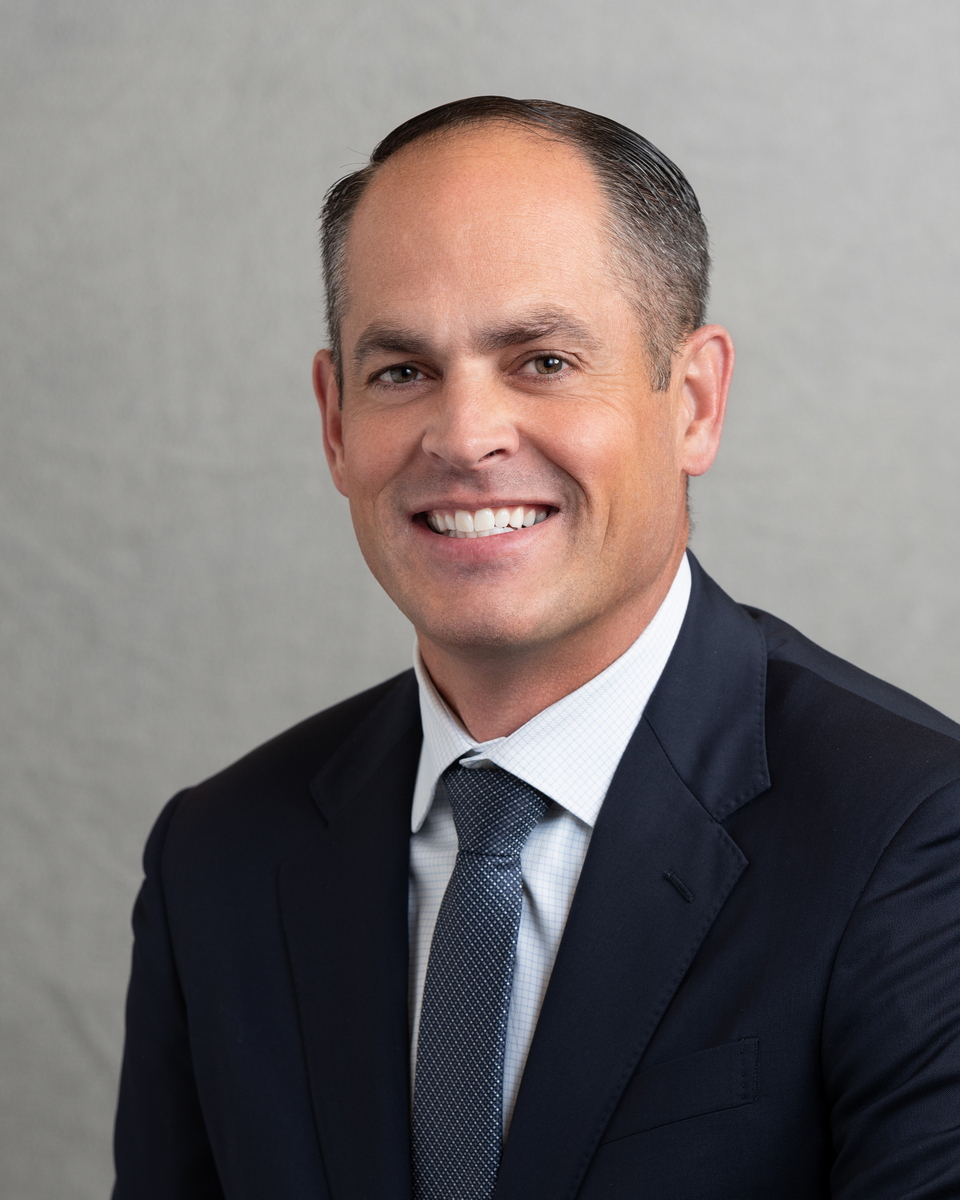
Mike McKell
Mike McKell Senate · District 25
R
Strong +
92% 69
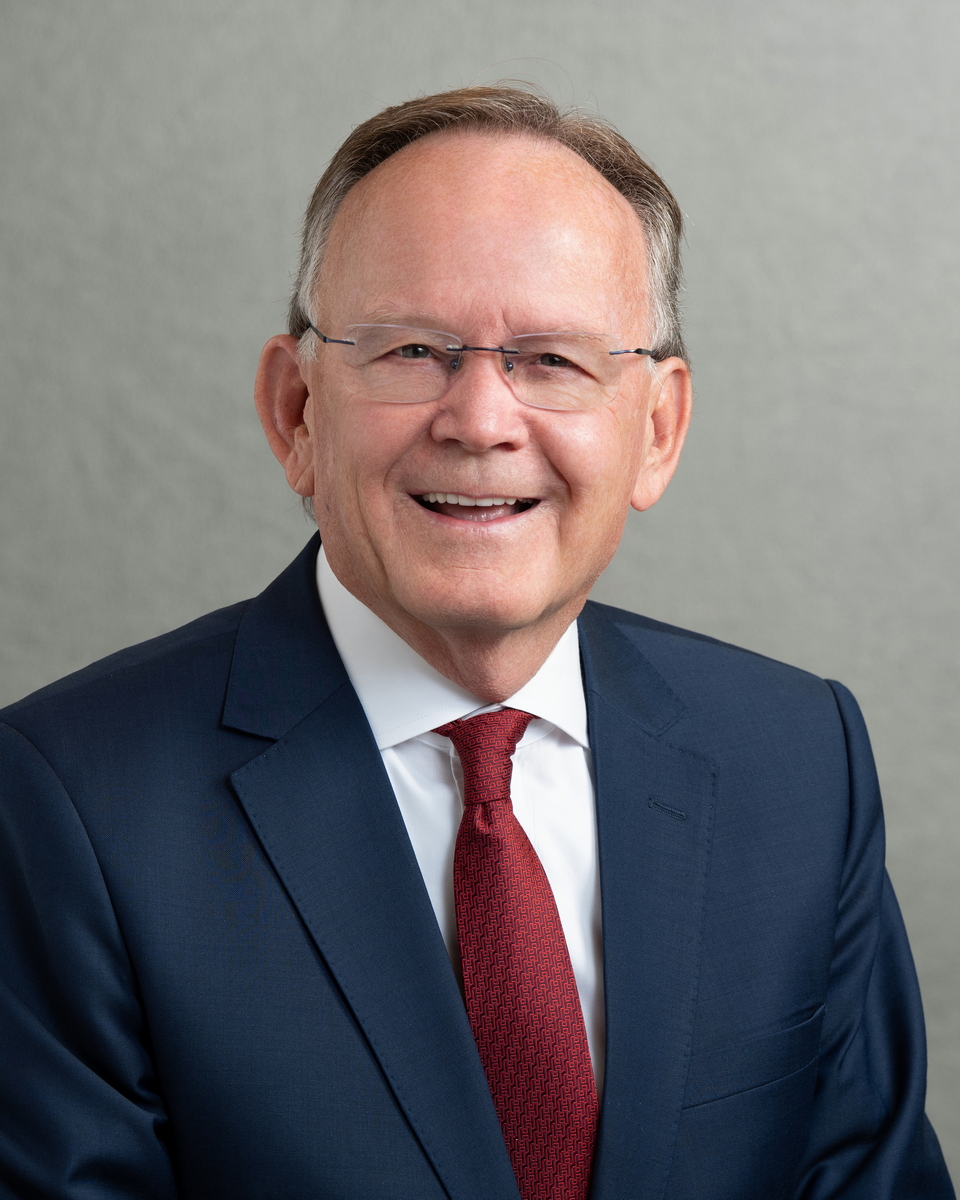
Stuart Adams
Stuart Adams Senate · District 7
R
Strong +
91% 62
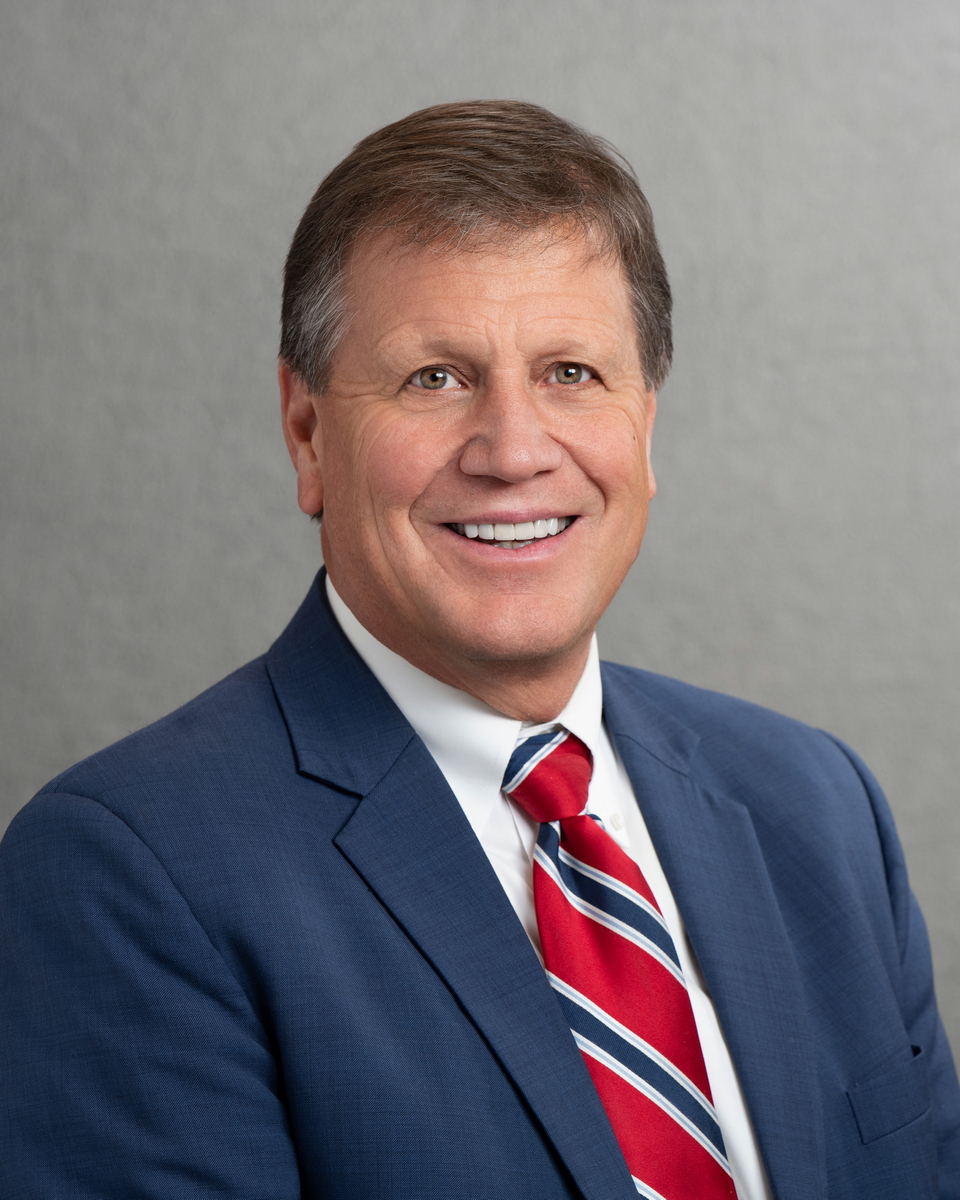
Keven Stratton
Keven Stratton Senate · District 24
R
Strong +
89% 72
Cal Musselman
Cal Musselman Senate · District 4
R
Strong +
89% 72
Nate Blouin
Nate Blouin Senate · District 13
D
Strong −
15% 78
Kathleen Riebe
Kathleen Riebe Senate · District 15
D
Oppose
21% 76
Leah Hansen
Leah Hansen House · District 51
R
Oppose
30% 51
Karen Kwan
Karen Kwan Senate · District 12
D
Oppose
32% 79
Stephanie Pitcher
Stephanie Pitcher Senate · District 14
D
Oppose
32% 76
Showing 81–90 of 106 bills

All education bills

failed · Utah · Senate Mar 7, 2026

SB 119: School and Classroom Amendments

SB 119 requires Utah's State Board of Education to develop free, open educational resources (OER) for public schools in kindergarten through grade 8. These resources must align with Utah core standards, reflect state values, be accessible for students with disabilities, and avoid bias, including digital and print materials. The bill directs the State Board to create a centralized platform for these resources, consult with schools and parents during development, and report on progress to the legislature. It does not mandate school districts to adopt the OER, and the bill affects all Utah public schools serving K-8 students.
signed · Utah · House Mar 19, 2026

HB 393: Early Intervention for Dyslexia Amendments

HB 393 creates a two-year pilot program to screen for dyslexia in Utah schools. It requires the University of Utah College of Education and Education Policy Center to develop a dyslexia screening tool and provides resources to school districts and charter schools. The program mandates reporting to the Education Interim Committee and will end on July 1, 2027. The bill amends education code sections but does not appropriate state funds.
Sub-Topics Higher Education
passed · Utah · House Mar 7, 2026

HB 150: School-based Speech-language Pathologist Funding Amendments

HB 150 updates eligibility for Utah's Salary Supplement for Highly Needed Educators program to explicitly include speech-language pathologists and technicians working in designated high-needs school assignments. It also adjusts funding for teaching supplies, providing $500 per classroom teacher position for pre-K through grade 6 and $250 for grades 7-12. The bill makes technical changes to existing funding distribution rules without appropriating new money, clarifying how school districts calculate payments. These changes take effect July 1, 2026, and directly affect school districts, charter schools, and educators in qualifying roles.
signed · Utah · House Mar 13, 2026

HB 126: Micro-Education Entity Facility Amendments

HB 126 amends Utah zoning laws to treat micro-education entities (like home-based microschools) as permitted uses in all municipal zoning districts, removing barriers to their operation. It requires municipalities to process all land use applications for these entities on a first-priority basis and limits parking requirements to match those for other schools or institutional uses. The bill also clarifies that local governments cannot impose additional restrictions on micro-education entities beyond objective land use standards, such as setbacks or safety regulations. This directly affects micro-education providers seeking to operate within residential or mixed-use areas without facing undue zoning hurdles. The changes apply to Utah Code sections 10-20-304 and 17-79-305, with no new funding or fees required.
failed · Utah · House Mar 7, 2026

HB 334: Educator Organization Amendments

HB 334 creates the Legislative Education Support and Professional Development Commission to study gaps in educator support systems. The commission will examine issues like communication between schools and policymakers, professional development opportunities, teacher liability insurance models, and recognition programs, with a focus on educators not covered by professional organizations. It will hold its first meeting before October 1, 2026, and submit recommendations to the Education Interim Committee. The bill does not change existing laws or allocate funding, as it establishes a study body to inform future policy decisions.
Sub-Topics Teachers
failed · Utah · Senate Mar 7, 2026

SB 180: School Nutrition Amendments

SB 180 redirects 10% of Utah's liquor sales revenue to the Uniform School Fund to support school meal programs. It expands eligibility for free school lunches to include students from families earning at or below 200% of the federal poverty level, even if they don't qualify for the National School Lunch Program. The bill requires the State Board of Education to use at least 20% of these funds specifically for free lunches for these eligible students. This policy change uses existing liquor tax revenue without new appropriations to increase access to school meals for low-income Utah students in grades K-12.
passed · Utah · House Mar 7, 2026

HB 350: Foods Available at Schools Amendments

HB 350 amends Utah school food regulations by updating the list of prohibited additives in foods sold, donated, offered, or served during school hours. It bans items containing potassium bromate, propylparaben, titanium dioxide, and specific FD&C dyes (like Blue No. 1 and Yellow No. 5), directly affecting public schools. Key exceptions include parents providing these foods to students, teachers offering them with parental permission, and donated foods going to school pantries. The bill also removes a prior exception for small schools (under 5,500 students) and allows these foods to be sold at school events or in vending machines. The changes take effect July 1, 2026, with no new funding required.
Sub-Topics Student Health
signed · Utah · Senate Mar 19, 2026

SB 81: Dyslexia Testing Amendments

SB 81 requires Utah school districts and charter schools to provide targeted reading interventions when a qualifying dyslexia assessment - administered by a licensed professional within their scope of practice - indicates a student lacks reading competency, shows dyslexia characteristics, or is falling behind in reading skills. The bill defines "qualifying dyslexia assessment" and updates licensing rules for mental health therapists and psychologists to explicitly include dyslexia evaluation and treatment under approved diagnostic standards. Schools must then conduct diagnostic assessments, offer individualized tutoring, monitor progress, and inform parents about support options. This applies to students in grades 1-6, with no new funding required.
signed · Utah · House Mar 18, 2026

HB 218: Digital Skills Amendments

HB 218 amends Utah’s requirements for digital literacy education in grades 7 and 8, directly affecting public school students in those grades starting the 2027-2028 school year. The bill defines specific digital skills concepts (such as online ethics, AI literacy, cybersecurity, social media impact, and misinformation evaluation) that must be covered in the course. It also establishes an advisory tech council to guide curriculum development, recommend resources, and advise on emerging technologies. The changes update existing education codes without new funding, focusing on standardizing digital literacy instruction across Utah schools.
in committee · Utah · Senate Mar 7, 2026

SB 159: Dyslexia Screening Amendments

SB 159 requires public schools in Utah to screen all kindergarten through second-grade students for dyslexia. Large school districts (over 3,000 students) must administer screenings annually, while regional education agencies handle screenings for small districts and charter schools upon request. Parents can also request screenings for their children in grades K-2, including students in home schools or scholarship programs. The bill mandates state funding distribution for implementation but does not appropriate funds in this bill. It takes effect July 1, 2026.
Showing 81 to 90 of 106 bills
Previous 1 8 9 10 11 Next