Issue · Criminal Justice

Criminal Justice

Every criminal justice bill, vote, and legislator stance in Utah, automatically classified by Maddy, our AI policy reader.

Total bills
90
2026 General Session
Top supporter
Lincoln Fillmore
92% support rate
Top opponent
Leah Hansen
9% support rate
Ranked legislators
10
5 support · 5 oppose
Key legislators

Who's moving criminal justice in Utah

Legislators moving criminal justice in Utah
Legislator Party Stance Support rate Votes
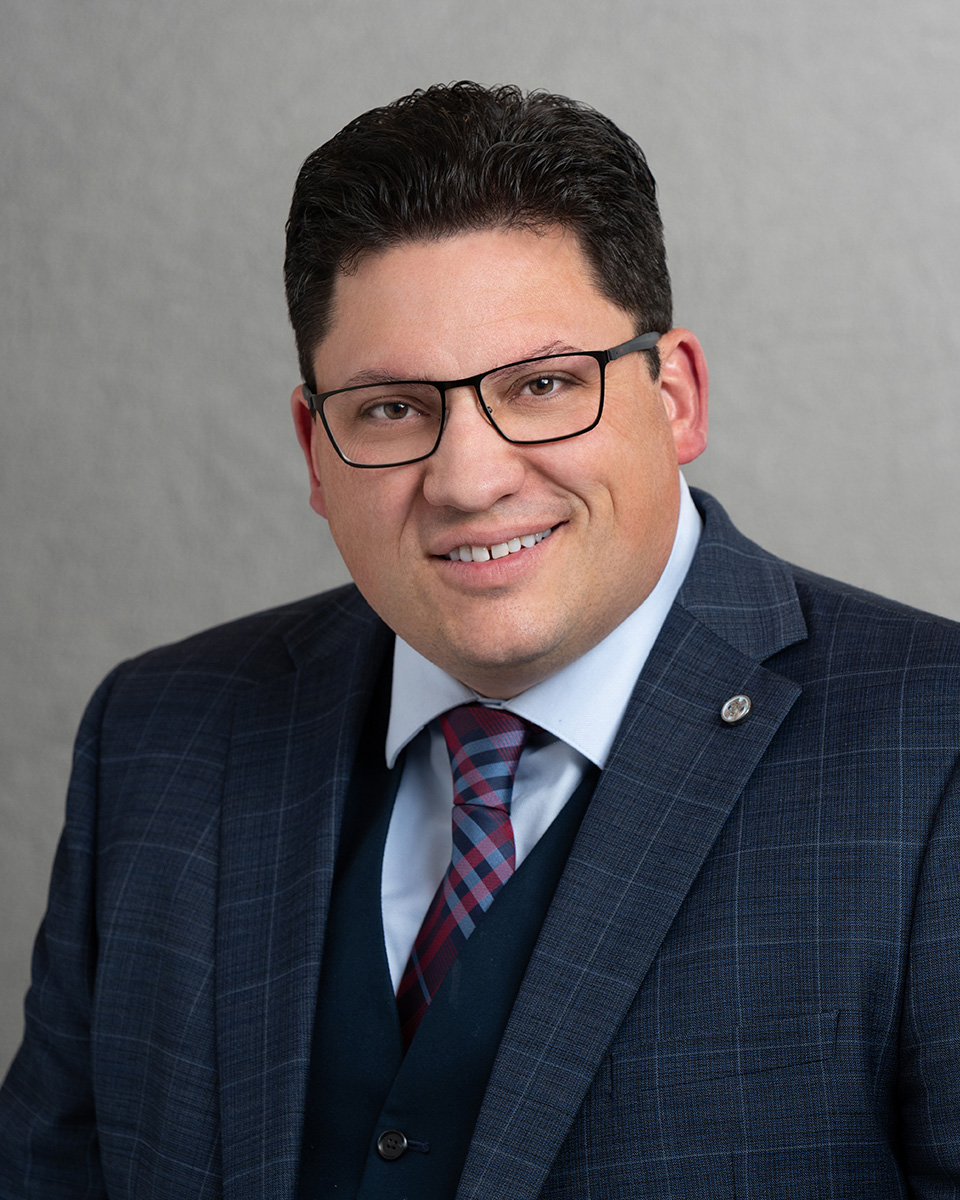
Lincoln Fillmore
Lincoln Fillmore Senate · District 17
R
Strong +
92% 79
Bridger Bolinder
Bridger Bolinder House · District 29
R
Strong +
91% 59
Dan McCay
Dan McCay Senate · District 18
R
Strong +
86% 81
Ryan Wilcox
Ryan Wilcox House · District 7
R
Strong +
83% 60
Jason Thompson
Jason Thompson House · District 3
R
Strong +
82% 60
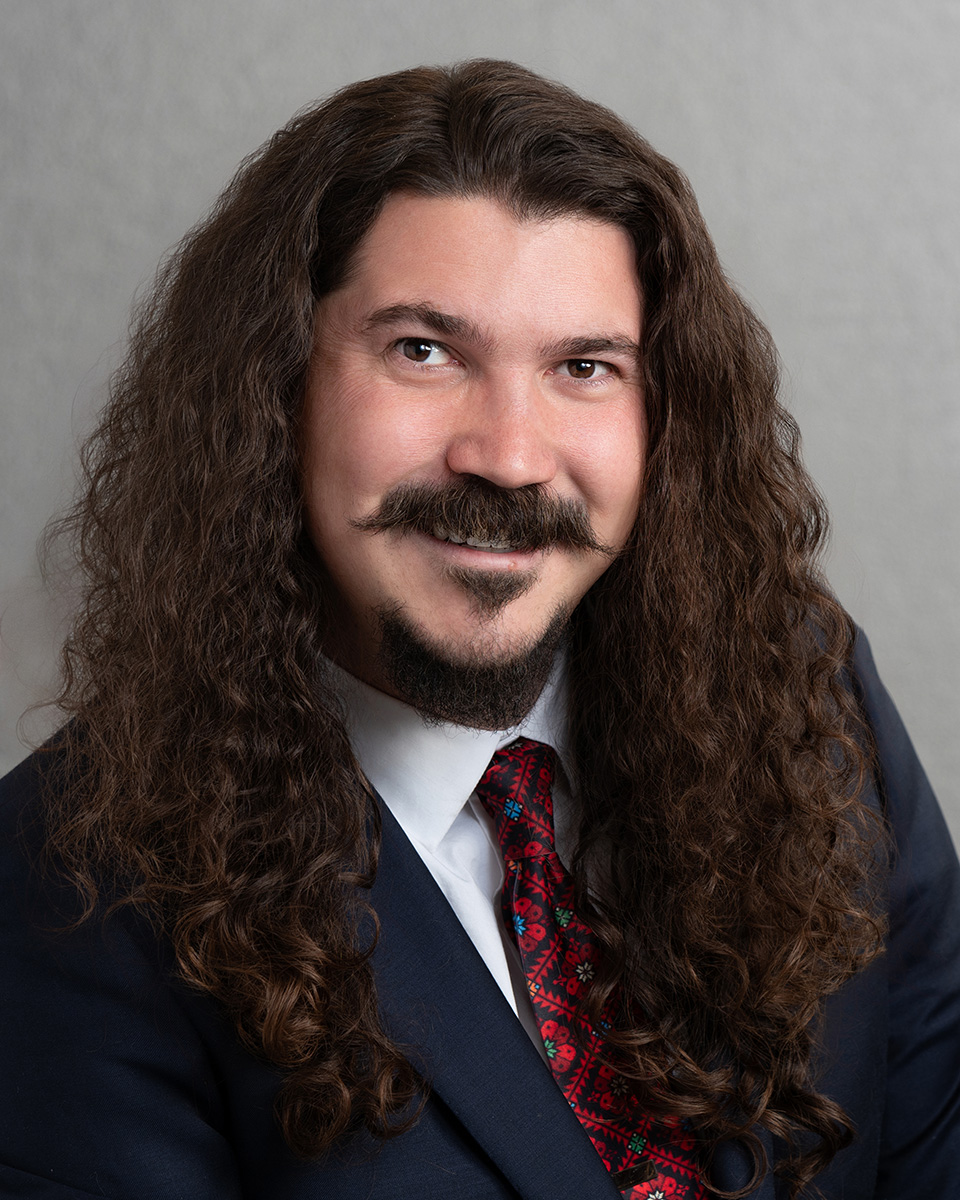
Leah Hansen
Leah Hansen House · District 51
R
Strong −
9% 63
Grant Miller
Grant Miller House · District 24
D
Strong −
17% 66
Verona Mauga
Verona Mauga House · District 31
D
Oppose
25% 62
Kathleen Riebe
Kathleen Riebe Senate · District 15
D
Oppose
27% 89
Nate Blouin
Nate Blouin Senate · District 13
D
Oppose
27% 94
Showing 51–60 of 90 bills

All criminal justice bills

introduced · Utah · House Mar 7, 2026

HB 200: Human Trafficking, Transporting, and Harboring Amendments

HB 200 increases penalties for transporting or harboring aliens when the victim is under 13 years old, elevating some offenses from misdemeanors to felonies. It expands victims' legal rights by allowing lawsuits for "aggravated exploitation of prostitution involving a child" under human trafficking laws and gives Utah's attorney general authority to sue suspected traffickers. The bill also clarifies that providing humanitarian aid (like medical care or housing) through religious or charitable organizations isn’t a violation. It directly affects victims of trafficking - especially children - and law enforcement prosecuting these offenses. No new funding is allocated, and existing protections for public benefits remain unchanged.
signed · Utah · House Mar 24, 2026

HB 261: Electronic Information Privacy Act Amendments

HB 261 amends Utah's Electronic Information Privacy Act to clarify how law enforcement agencies may access electronic data. It requires warrants for most electronic information, location data, or transmitted data during criminal investigations, directly affecting law enforcement agencies and service providers like phone companies. Key provisions prohibit law enforcement from outsourcing data collection to third parties in ways they couldn’t do themselves, and mandate that illegally obtained data - or evidence derived from it - be excluded from court, similar to constitutional violations. The bill updates definitions and procedures without appropriating new funds or creating new financial obligations.
signed · Utah · Senate Mar 23, 2026

SB 92: Prosecution Amendments

SB 92 restricts prosecutors from charging defendants with additional offenses after a prior conviction related to bodily injury that later caused death. Specifically, it prohibits prosecuting a defendant for any offense other than homicide in a subsequent case where the death resulted from the same prior injury that was already prosecuted. This bill directly affects prosecutors and defendants in homicide cases stemming from previously charged bodily injury incidents. The key provision prevents multiple prosecutions for the same incident, ensuring a defendant cannot face new charges beyond homicide after the initial injury case concluded with a conviction, acquittal, or dismissal.
Sub-Topics Violent Crime
in committee · Utah · House Mar 7, 2026

HB 213: Criminal Proceedings Amendments

HB 213 sets specific deadlines for courts to schedule criminal trials after requests from defendants or victims. It requires trials to begin within 90 days for defendants in custody and 180 days for others (including victims) who file written requests. Courts may extend these deadlines only for limited reasons like case complexity, court backlog, or a defendant's requested continuance. The bill amends Utah law to clarify these timeframes and applies to all criminal cases in Utah courts, effective May 6, 2026.
Sub-Topics Courts
signed · Utah · Senate Mar 23, 2026

SB 86: Firearm Safe Harbor Amendments

SB 86 creates a temporary firearm safekeeping program allowing cohabitants or owners to voluntarily give firearms to law enforcement if they believe someone in the home poses an immediate threat (e.g., domestic violence situations). Law enforcement must hold firearms for 60 days (extendable by request) and return them to the owner unless the owner is a restricted person or subject to a domestic violence court order. The bill requires law enforcement agencies to anonymously report aggregate usage data (e.g., number of requests, firearms held) to the State Commission on Criminal and Juvenile Justice annually, starting July 1, 2026, with data collection sunsetting in 2028. This affects individuals seeking temporary firearm storage for safety during crises, without changing existing firearm ownership laws.
introduced · Utah · House Mar 7, 2026

HB 254: Plea in Abeyance Amendments

HB 254 modifies Utah's plea in abeyance process for certain first-time offenders. It requires prosecutors to offer plea in abeyance to individuals under 18 charged with specific misdemeanors like retail theft, underage alcohol possession, or minor drug possession, provided they have no prior convictions. The bill also changes compensatory service rules, allowing defendants to perform community service (credited at $12/hour) instead of paying fines or fees for eligible offenses, with strict documentation requirements. These changes apply directly to defendants facing low-level criminal charges who meet the eligibility criteria. The bill makes no changes to victim restitution or court fees for certain offenses.
in committee · Utah · Senate Mar 7, 2026

SB 136: Enforcement Activities Amendments

This Utah bill restricts state and local law enforcement from assisting federal immigration authorities in sensitive locations (like schools or hospitals) or houses of worship, with limited exceptions for emergencies or facility owner requests. It also prohibits law enforcement officers from wearing opaque face coverings during official duties, except for tactical units, undercover operations, or if their agency has a publicly posted facial covering policy. Violations could result in a class C misdemeanor penalty for officers, unless their agency had a compliant policy in place. The bill requires law enforcement agencies to create and publish such policies to avoid criminal liability for officers.
passed · Utah · Senate Mar 7, 2026

SB 205: Law Enforcement Artificial Intelligence Amendments

SB 205 requires Utah law enforcement agencies to publicly share policies governing the use of artificial intelligence (AI) tools, including which AI systems officers may use and how they must be configured. It mandates that any police report or record created partly using AI must include a clear disclaimer and a certification that the content was reviewed for accuracy. Agencies must post their full AI policies and detailed information about AI settings - such as transparency features or crime-specific restrictions - on their websites or the state public notice site. This law directly affects all Utah police departments and sheriff's offices, ensuring transparency about AI use in investigations. The bill takes effect on May 6, 2026, with no new funding required.
in committee · Utah · House Mar 7, 2026

HB 226: Alternative Incarceration Program Amendments

HB 226 allows Utah county sheriffs to create "sheriff's work programs" where eligible prisoners complete supervised public works projects (like park cleanups or community repairs) instead of serving jail time. It directly affects non-violent offenders sentenced to 30 days or less who voluntarily agree to participate, excluding those with prior convictions for certain offenses or under court orders. Key provisions require sheriffs to establish program rules covering eligibility, work assignments, safety, fees, and disciplinary measures, while granting participants one day of jail credit for every eight hours worked. The bill clarifies that participants remain under the sheriff’s official custody during the program and updates existing laws to align with these changes. No new funding is appropriated, and the bill takes effect in May 2026.
signed · Utah · House Mar 24, 2026

HB 354: Rescue Tracking Equipment Offense Amendments

HB 354 creates a new criminal offense for damaging or interfering with public emergency alert devices designed to notify law enforcement during emergencies and help locate individuals needing assistance. The bill defines "rescue tracking equipment" as public devices that alert authorities and track locations for emergency response, and prohibits destroying, disabling, or tampering with them if it hinders their function. Violations are classified as class B misdemeanors, punishable by up to 180 days in jail and/or fines. This law directly affects anyone who intentionally damages or disrupts these emergency devices, ensuring they remain functional for life-saving assistance. The bill amends Utah Code Section 76-6-106.4 and takes effect May 6, 2026.
Showing 51 to 60 of 90 bills
Previous 1 5 6 7 9 Next