

Issue · Budget & Taxes
Budget & Taxes (State Budget)
Every budget & taxes bill, vote, and legislator stance in Utah, automatically classified by Maddy, our AI policy reader.
Total bills
33
2026 General Session
Top supporter
Don Ipson
100% support rate
Top opponent
Lincoln Fillmore
40% support rate
Ranked legislators
9
5 support · 4 oppose
Key legislators
Who's moving state budget in Utah
| Legislator | Party | Stance | Support rate | Votes |
|---|---|---|---|---|
Don Ipson
Senate · District 29
|
R |
Strong +
|
100% | 7 |
Jerry Stevenson
Senate · District 6
|
R |
Strong +
|
100% | 7 |
Mike McKell
Senate · District 25
|
R |
Strong +
|
100% | 7 |

Emily Buss
Senate · District 11
|
N |
Strong +
|
100% | 6 |
Stuart Adams
Senate · District 7
|
R |
Strong +
|
86% | 7 |
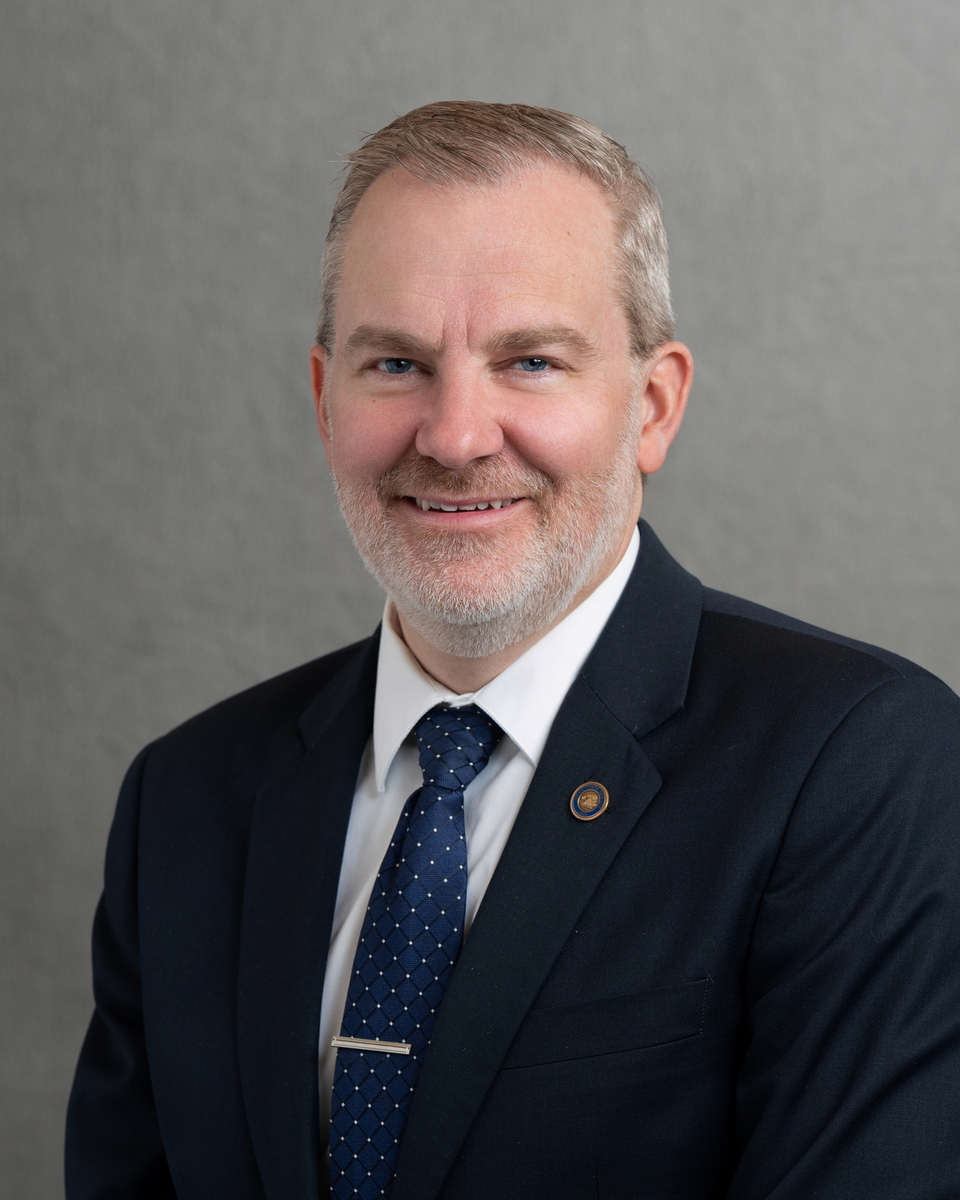
Lincoln Fillmore
Senate · District 17
|
R |
Oppose
|
40% | 5 |

Ann Millner
Senate · District 5
|
R |
Mixed −
|
43% | 7 |

Kathleen Riebe
Senate · District 15
|
D |
Mixed −
|
43% | 7 |

Stephanie Pitcher
Senate · District 14
|
D |
Mixed −
|
43% | 7 |
Showing 11–20 of 33
bills
All budget & taxes bills
SB 288: Medicaid Provider Amendments
Topics
✓ Budget & TaxesSupports Budget & TaxesBill appropriates $42.7 million for Medicaid provider quality standards and referral system, increasing government spending on public health services.
✓ HealthcareSupports HealthcareEstablishes Medicaid quality standards, mandates coordinated social needs referrals, and appropriates $42.7M to improve care access and provider performance for Medicaid recipients.
SB 6: Transportation and Infrastructure Base Budget
Topics
✓ Budget & TaxesSupports Budget & TaxesAllocates $333.6M for transportation infrastructure via General Fund, directly funding public services under state budget management.
✓ TransportationSupports TransportationAllocates $333.6M (2026) and $3.8B (2027) specifically for transportation infrastructure operations, capital projects, and agency funding per bill summary.
SB 160: Medicaid Reimbursement Rate Amendments
Topics
✓ Budget & TaxesSupports Budget & TaxesBill ties Medicaid reimbursement rates to Utah's General Fund revenue growth, ensuring stable funding alignment with budget performance and preventing defunding of ABA services.
✓ HealthcareSupports HealthcareEnsures ABA providers receive rate increases tied to Utah's budget growth, directly funding mental health services under Medicaid and protecting provider reimbursement rates.
HB 300: School District Taxation Amendments
Topics
✓ Budget & TaxesSupports Budget & TaxesProtects school districts from losing state funding guarantees when reducing local tax rates, maintaining fiscal stability without new appropriations.
✓ EducationSupports EducationExtends 'hold harmless' period to protect school district funding guarantees from tax reductions, preventing loss of state funding without new appropriations.
SB 1: Higher Education Base Budget
Topics
✓ Budget & TaxesSupports Budget & TaxesAllocates $3.08B from General/Income Tax Funds to public higher education, directly increasing state budget funding for essential education programs.
✓ EducationSupports EducationBill allocates $3.08B for 2027 higher education operations, instruction, and research at public institutions, directly funding core educational functions.
HB 8: State Agency Fees and Internal Service Fund Authorization and Appropriations
HB 318: Agency Fee Amendments
HB 1: Public Education Base Budget Amendments
Topics
✓ Budget & TaxesSupports Budget & TaxesBill allocates $8.7B for public education, adjusts tax rates to fund school budgets, and increases WPU value, directly advancing state education finance.
✓ EducationSupports EducationAppropriates $8.7B+ for K-12 operations including $4.8B from Uniform School Fund, increases WPU value, and revises funding formulas to support schools.
SB 8: State Agency and Higher Education Compensation Appropriations
Topics
✓ Budget & TaxesSupports Budget & TaxesAppropriates $124.5M from General/Income Tax Funds for state employee compensation increases, directly funding public sector salaries and benefits per budgeting needs.
✓ EducationSupports EducationFunds higher education staff compensation with 1% pay increase, health benefits, and retirement matches, directly supporting educators in state higher education institutions.
✓ Labor & EmploymentSupports Labor & EmploymentFunds 1% pay increase, health benefits, retirement adjustments for state employees - directly advances compensation and benefits per Labor & Employment indicators.