

Maddy summarySenate Resolution 376 clarifies the existing requirement for business attire on the Senate floor, specifying that men must wear a coat, tie, and long pants. The resolution designates the Senate Sergeant at Arms to enforce this dress code and mandates that any future changes to the rule require a two-thirds vote of all senators. This procedural resolution formalizes current standards without altering them, ensuring consistency in Senate decorum.
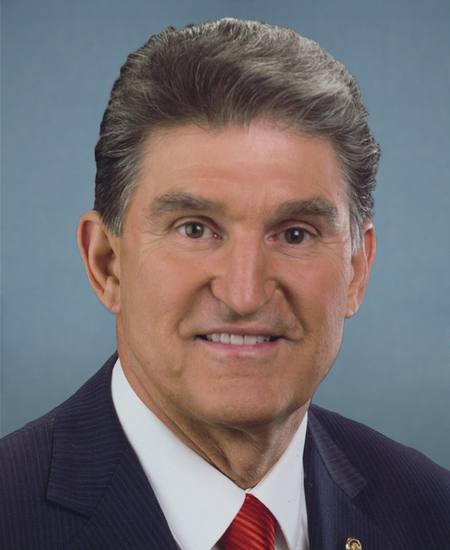
Sen. Joe Manchin, III
Sponsored bills
Maddy summarySRES 208 is a Senate resolution designating November 12, 2023, as "National Warrior Call Day." It encourages U.S. citizens, particularly those connected to military service, to reach out to veterans through peer-to-peer conversations to support their mental health and transition from military life. The resolution highlights veteran suicide statistics (6,146 deaths in 2020) and emphasizes that isolation - exacerbated by the pandemic - increases risks for conditions like PTSD. It does not create new programs but urges public engagement to connect veterans with support systems. This is a symbolic, awareness-raising measure with no binding policy changes.
Maddy summaryThis bill requires standardized presentations about Department of Veterans Affairs (VA) benefits during preseparation counseling for service members transitioning from military to civilian life. It mandates that these presentations be reviewed by the VA and veterans service organizations before use, include information on how to file claims, and cannot promote specific organizations. The VA must also submit annual reports to Congress detailing which veterans service organizations participated, attendance numbers, and recommendations for improvement. The bill directly affects service members receiving transition assistance, ensuring they receive consistent, accurate information about VA benefits.
Maddy summaryThis resolution designates September 2023 as "National Childhood Cancer Awareness Month" in the U.S. Senate. It requests federal, state, local governments, and nonprofits to observe the month with programs aimed at increasing public awareness about childhood cancer risks. The resolution also encourages ongoing health monitoring for childhood cancer survivors and honors children facing cancer, while acknowledging the disease's significant impact (over 15,500 annual diagnoses and 1,700 deaths in children under 19). As a symbolic measure with no legal force, it does not change policies or allocate funding but seeks to raise national attention on childhood cancer.
Maddy summaryThis resolution urges all NATO members to spend at least 2% of their gross domestic product (GDP) on defense. It highlights that only 11 NATO countries met this target in 2022, with the U.S. paying 70% of NATO's defense costs despite contributing over 50% of the alliance's GDP. The resolution expresses concern that insufficient spending undermines NATO cohesion and U.S. taxpayer support, while commending countries like the UK, Germany, and Poland for meeting or exceeding the target.
Maddy summaryThis bill requires disclosure of foreign entities funding civil lawsuits in U.S. courts, specifically naming foreign persons (excluding foreign states and sovereign wealth funds) who might receive payments tied to case outcomes. It bans foreign states and sovereign wealth funds from funding litigation through contingent payment agreements, making such agreements void if violated. Parties must disclose funding sources in writing to courts, other parties, and the Attorney General within 30 days of filing or signing funding agreements. The Attorney General must also submit annual reports to Congress detailing foreign funding in federal courts, including funding sources and case types.
Maddy summaryThis bill, the SAVE Act (Safety From Violence for Healthcare Employees Act), makes it a federal crime to assault hospital staff while they're performing their duties, directly affecting healthcare workers at covered facilities like hospitals, long-term care centers, and emergency clinics. It imposes fines or up to 10 years in prison for basic assaults, with enhanced penalties (up to 20 years) for using weapons, causing injury, or during declared emergencies. The law also requires a government study to assess its impact on workplace violence and federal prosecutions in healthcare settings.
Maddy summaryThis bill requires car manufacturers to include AM radio receivers as standard equipment in all new vehicles sold in the U.S., without additional cost to buyers. It mandates that AM radio controls be clearly visible on the dashboard for drivers. For vehicles sold before the rule takes effect, manufacturers must label them to disclose the absence of AM radio. The bill aims to maintain access to AM radio broadcasts, which are used for emergency alerts, but does not mandate new emergency systems.
Maddy summaryThe Wildland Firefighter Paycheck Protection Act of 2023 establishes special base pay rates for wildland firefighters employed by the Forest Service or Department of the Interior. These special rates replace regular General Schedule pay and are calculated as specific percentage increases (ranging from 1.5% for GS-15 to 42% for GS-1) over standard rates. The bill also creates a new 450% incident response premium pay for days deployed to respond to qualifying wildfire incidents, with a yearly limit of $9,000 per employee. Additionally, it establishes rest and recuperation leave requirements following wildfire response deployments, including minimum rest periods after incident completion. The bill takes effect on or after October 1, 2023, and modifies previous legislation to ensure continuity of pay increases.
Maddy summaryThis bill directs the FDA to review a specific clinical trial method (enriched enrollment randomized withdrawal) used in testing opioid drugs for chronic pain. Within two years, the FDA must convene advisory committees to decide whether to permit this method, while also commissioning a National Academy of Sciences study on its effectiveness. The bill further requires the FDA to review the labeling of all opioid drugs approved using this method to ensure their pain treatment claims are supported by the evidence. These changes primarily affect the FDA's drug review process and pharmaceutical companies developing opioid medications, with no direct impact on patients or healthcare providers.