

Maddy summaryThis bill authorizes $100 million annually (2025-2029) for U.S. humanitarian assistance to clear unexploded ordnance (UXO) in Vietnam, Laos, and Cambodia. It directly affects communities in these countries still threatened by UXO - responsible for over 105,000 casualties in Vietnam since 1975 - and supports survivors through medical aid and prosthetics. Key mechanisms include funding for UXO clearance, national survey updates, capacity building, and collaboration with host governments. The bill requires annual reports to Congress detailing fund usage, clearance progress, and efforts to support Hmong and other refugee communities in Laos. It also formally recognizes historical support from Southeast Asian allies during the Vietnam War era.
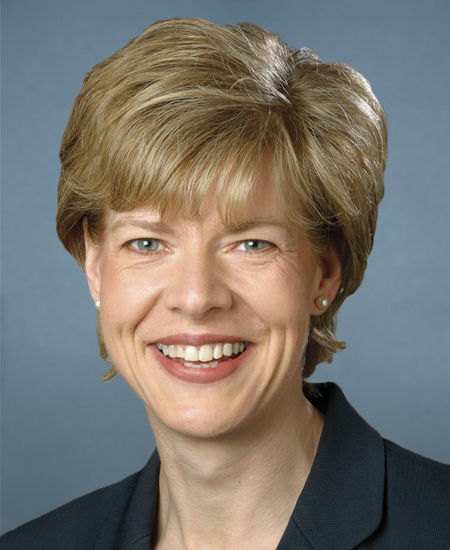
Sponsored bills
Maddy summaryThe CHILD Labor Act strengthens protections against child labor by defining "oppressive child labor" to include specific dangerous occupations for children under 18, such as manufacturing, mining, trenching, and meat processing. It prohibits Federal contractors from employing children under 16 in any work and restricts 16-17 year olds from hazardous occupations, requiring contractors to implement training programs and establish labor-management committees to monitor compliance. The bill significantly increases penalties for violations, including civil fines up to $750,000 for violations causing death or serious injury, and adds criminal penalties for willful violations. It also requires the Department of Labor to issue "child labor tags" for goods produced with prohibited child labor and submit annual reports to Congress on work-related injuries and deaths.
Maddy summarySRES 435 is a Senate resolution designating October 30 through November 4, 2023, as "National Veterans Small Business Week." It formally recognizes the contributions of veterans who own small businesses, highlighting their role in the economy (over 1.7 million veteran-owned businesses employing 2.9 million people). The resolution expresses support for veterans' entrepreneurship, encourages policies reducing regulatory burdens for small businesses, and thanks veterans for their service through business ownership. This is a symbolic recognition with no new legal requirements or funding.
Maddy summaryThis bill, S 3154 (Tribal Child Support Enforcement Act), updates federal child support enforcement rules to grant tribal agencies the same access to tax information as state agencies. It amends the Social Security Act and Internal Revenue Code to explicitly include "tribal child support enforcement agencies" (those receiving grants under Section 455(f)) in provisions allowing access to tax data for locating non-custodial parents and collecting past-due support. Tribal agencies will now operate under the same rules as state agencies regarding tax information sharing and reimbursement for enforcement reports. This directly affects tribal nations and the families they serve by improving the ability to collect child support owed to tribal members.
Maddy summaryThe Support Through Loss Act (S 3137) would provide eligible employees with 56 hours of paid leave per year to address pregnancy loss, unsuccessful assisted reproductive technology procedures, failed adoption or surrogacy arrangements, or medical events impacting pregnancy or fertility. This leave can also be used to care for a spouse or domestic partner experiencing these events. Employers with 5 or more employees would be required to provide this leave, with specific notice requirements and protections against discrimination for taking this leave. The bill also includes provisions for research and education on pregnancy loss through the Department of Health and Human Services, including $45 million annually for research on causes and treatments.
Maddy summaryThis bill amends the tax code to limit corporate deductions for certain high executive compensation. It broadens the definition of "covered individual" to include executives who performed services for a company after 2022, not just current top officers, and requires publicly traded companies to file specific reports about executive pay. Companies can no longer deduct compensation paid to these individuals if it exceeds $1 million in a year, unless it's performance-based. The changes apply to tax years starting after December 31, 2022, and give the IRS authority to prevent companies from avoiding these rules through third-party arrangements. The bill directly affects publicly traded corporations that pay significant bonuses to executives.
Maddy summaryThis bill extends 12-month continuous enrollment periods for Medicaid and CHIP (Children's Health Insurance Program) coverage, eliminating annual renewal requirements for all enrollees. It removes the previous age limit (under 19) for Medicaid continuous coverage and replaces "child" with "individual" in CHIP rules, applying the same 12-month stability to both adults and children. The key change prevents coverage loss due to administrative renewals, ensuring people maintain health insurance for a full year without reapplying. This directly affects current Medicaid and CHIP beneficiaries who would previously have faced annual eligibility reviews. The policy takes effect one year after the bill's enactment.
This resolution recognizes October 2023 as National Women's Small Business Month, honoring the role of women small business owners and entrepreneurs and encouraging the support and creation of women-owned small businesses.
Maddy summaryThis resolution urges the U.S. government to engage with India to address religious freedom concerns. It specifically calls for India to reverse discriminatory policies like the Citizenship (Amendment) Act (which excludes Muslims from expedited citizenship), end the National Register of Citizens (NRC) process that risks stripping citizenship from Muslims, and repeal anti-conversion laws and the Karnataka hijab ban. The resolution also demands an end to violence against religious minorities, the release of detained activists, and accountability for police brutality during protests. These actions would directly affect India's Muslim and Christian communities, who face systemic discrimination and violence under current policies.
Maddy summarySRES 426 is a Senate resolution designating November 4, 2023 (the first Saturday of November), as "National Bison Day." It directly recognizes the cultural, historical, and economic significance of bison to Native American tribes, rural communities, and the U.S. ecosystem. The resolution encourages the American public to observe the day with ceremonies and activities, but it does not create new laws, funding, or obligations. This is a symbolic gesture acknowledging bison's role as the national mammal and its importance to tribal heritage and conservation efforts.