

Maddy summaryThis bill requires federal and state prisons to house inmates based on biological sex (defined by reproductive anatomy and chromosomes at birth), prohibiting co-location of inmates of different biological sexes except for temporary, non-overnight arrangements. It directly affects all federal prisons and state correctional facilities receiving federal funding under the Omnibus Crime Control Act. The law mandates that housing decisions use biological sex and requires states to certify compliance to receive federal correctional funding. It does not address violence prevention measures but focuses solely on housing separation policies.
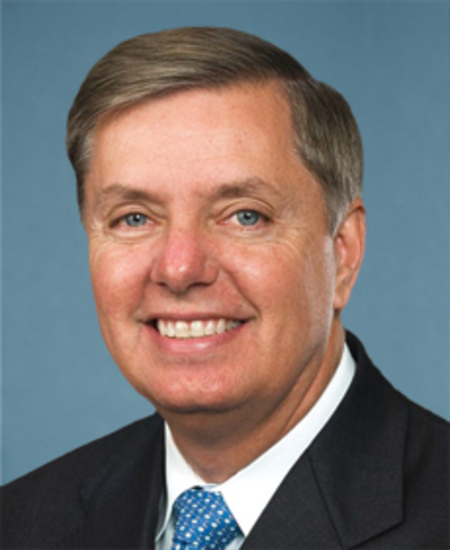
Sen. Lindsey Graham
Sponsored bills
Maddy summaryS 722, the Freedom To Invest in Tomorrow's Workforce Act, allows individuals to use funds from 529 college savings accounts to cover career training and credentialing expenses. It expands the definition of "qualified higher education expenses" to include tuition, fees, and exam costs for recognized postsecondary credential programs (like industry certifications) that meet specific standards under the Workforce Innovation and Opportunity Act. This directly affects workers seeking job-focused training or certifications instead of traditional college degrees, enabling them to use existing 529 savings for these expenses. The bill takes effect for expenses paid after its enactment date.
Maddy summaryThe Stopping Border Surges Act (S 685) makes significant changes to immigration policy affecting unaccompanied children and asylum seekers. It requires specialized interviews for unaccompanied children with officers trained in child trafficking cases, mandates custody transfers to Health and Human Services within 30 days for children not meeting certain criteria, and shortens the asylum application window from one year to six months. The bill also adds new requirements for credible fear interviews, creates penalties for asylum fraud including potential fines and up to 10 years in prison, and modifies family detention standards to limit release of minors with parents who are not lawfully present in the U.S. These provisions aim to streamline immigration processes while adding safeguards against potential fraud and abuse.
Maddy summaryThis bill amends U.S. Treasury regulations to require the Secretary of the Treasury to consider terrorism facilitation when designating foreign financial institutions as "of primary money laundering concern." It specifically directs the Treasury to evaluate whether institutions knowingly provide banking services to entities designated under federal anti-terrorism regulations or facilitate payments for acts of terrorism defined in the Taylor Force Act (22 U.S.C. 2378c-1). The measure targets foreign banks that maintain correspondent accounts with U.S. banks while allegedly enabling terrorist financing through dollar transactions. It directly affects foreign financial institutions operating with U.S. correspondent banking relationships. The policy change focuses on strengthening anti-terrorism financial oversight by expanding the criteria used in Treasury designations.
Maddy summaryThe RESTRICT Act (S 686) gives the Secretary of Commerce authority to identify and address information and communications technology (ICTS) products or services that pose undue national security risks, particularly those involving foreign adversaries like China, Russia, Iran, and others. It targets transactions or holdings by entities from designated foreign adversary countries or their controlled entities, with special focus on technology used by over 1 million U.S. users, including telecommunications, data services, and critical infrastructure systems. The Secretary can refer "covered holdings" to the President, who may then compel divestment or other mitigation measures to protect U.S. critical infrastructure, election security, and sensitive data. The bill establishes specific review procedures while limiting judicial review of these national security decisions.
Maddy summarySRES 57 is a Senate resolution honoring David Ferdinand Durenberger, a former U.S. Senator from Minnesota (served 1978-1989). It commemorates his life and career, highlighting his role as the lead Republican sponsor of the Americans with Disabilities Act and his work protecting Minnesota's natural resources like the Boundary Waters Canoe Area Wilderness. The resolution directs the Senate to formally recognize his passing and transmit a copy to his family. This is a ceremonial resolution with no policy changes or direct impact on constituents.
Maddy summaryThe Hydrogen for Ports Act of 2023 establishes a $100 million annual grant program (2024-2028) to fund port infrastructure using hydrogen or ammonia as clean fuel. It directly affects ports, state/local governments, tribal entities, and port authorities by providing competitive grants for projects like fuel cell cargo handlers, ships, trucks, and fueling infrastructure. Key provisions require grant recipients to monitor fuel leaks, prioritize projects benefiting low-income communities, and focus on reducing port-related emissions and improving air quality. The program mandates training for staff handling these fuels and prioritizes projects that create U.S. jobs and maximize emission reductions.
Maddy summaryThe Hydrogen for Trucks Act of 2023 establishes a federal grant program to support the adoption of hydrogen-powered heavy-duty trucks and related infrastructure. It provides funding for eligible entities - such as truck fleet operators, public agencies, fueling station developers, and partnerships - to purchase at least 7 hydrogen fuel cell trucks or build hydrogen fueling stations, with requirements for public access and regional diversity. Grants cover capital costs (up to $500,000 per truck or station), operational expenses, and safety training, while requiring recipients to report on fuel use, reliability, and emissions data. The program aims to demonstrate vehicle performance across different regions, reduce costs, and accelerate market deployment of hydrogen trucks by 2028, with priority given to projects benefiting disadvantaged communities.
Maddy summaryThe Hydrogen for Industry Act of 2023 establishes a federal grant program to fund demonstration projects using hydrogen in heavy industry to reduce greenhouse gas emissions. It provides grants (up to $400 million per project) for commercial-scale applications in sectors like steel, cement, fertilizer, and chemical manufacturing, requiring at least 50% hydrogen blends by volume. Priority is given to projects that maximize emissions reductions, benefit low-income or disadvantaged communities, create high-quality domestic jobs, and demonstrate safe hydrogen use. The bill authorizes $1.2 billion for fiscal years 2024-2028 and mandates a study on hydrogen safety, cost-effectiveness, and environmental impacts for industrial use.
Maddy summaryThis bill establishes the Hydrogen Infrastructure Finance and Innovation Act (HIFIA) pilot program to fund hydrogen infrastructure projects. It provides grants and low-cost loans (up to 80% of costs) to eligible entities like corporations, governments, and nonprofits building hydrogen pipelines, storage, or delivery systems - especially projects retrofitted for hydrogen blends or new pure-hydrogen lines. Priority is given to projects reducing emissions, minimizing environmental impact, serving disadvantaged communities, and creating U.S. jobs. The program requires mandatory leak monitoring and limits annual federal funding to $100 million for fiscal years 2024-2028.