

Maddy summaryThis Senate resolution formally commends the "Donut Dollies" and the earlier "Doughnut Lassies" for their support of U.S. servicemembers during various wars, including World War II and the Vietnam War. The bill recognizes the volunteers' contributions to morale and well-being in combat zones and urges that their story be preserved and shared. It does not create new laws or funding but serves as an official acknowledgment of their historical service.
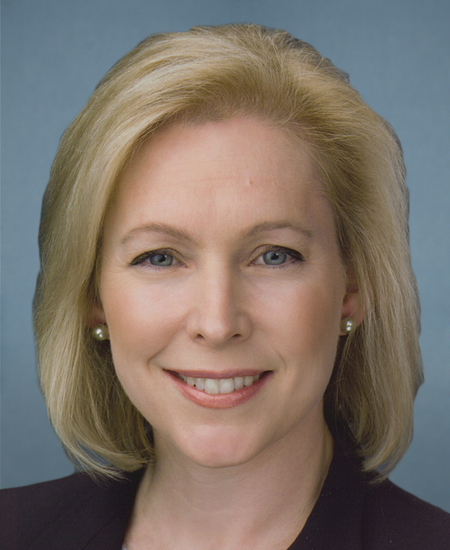
Sen. Kirsten E. Gillibrand
Sponsored bills
Maddy summaryThis Senate resolution formally recognizes the week of May 3 through May 9, 2026, as National Small Business Week to honor the contributions of small business owners and entrepreneurs across the United States. The measure expresses appreciation for the economic role these businesses play and acknowledges the resilience of their owners and employees. By adopting this designation, the Senate aims to celebrate the entrepreneurial spirit within every community without imposing any new laws or regulations.
Maddy summaryThe Puppy Protection Act of 2026 amends the Animal Welfare Act to impose stricter housing and care standards on dog dealers. It requires dealers to provide dogs with solid flooring, sufficient indoor space based on size, and temperature control between 45 and 85 degrees Fahrenheit. The bill also mandates daily nutritious food, unrestricted outdoor exercise for most dogs over 12 weeks, and at least 30 minutes of daily social interaction with humans. Additionally, it establishes specific rules for breeding, such as limiting the number of litters a female dog can produce and requiring health screenings before breeding. These new requirements must be implemented through final regulations issued by the Secretary within 18 months of the law's enactment.
Maddy summaryThis bill, known as the Protecting Human Rights and Public Health in Foreign Assistance Act, directs federal agencies to ignore three specific final rules issued by the Department of State. It explicitly prohibits any government department from implementing, enforcing, or creating new policies similar to these existing rules, effectively treating them as if they never existed. The targeted regulations concern protecting life, combating discriminatory equity ideology, and addressing gender ideology within foreign aid programs. By nullifying these rules, the legislation removes the current administrative requirements related to these topics from U.S. foreign assistance activities.
Maddy summaryThis resolution designates April 2026 as Financial Literacy Month to raise public awareness about the importance of personal finance education. The bill calls on the federal government, states, schools, businesses, and other organizations to hold programs and activities during this month. It is based on data showing high levels of financial stress, debt, and a lack of financial education among many Americans.
Maddy summaryThe Investing in the American Dream Act expands eligibility for Small Business Administration loans to include businesses owned by certain immigrants, such as refugees, asylees, and individuals with deferred action. To qualify, these businesses must be located in the United States and at least 51 percent owned and controlled by U.S. citizens or nationals of the United States. The law explicitly states that businesses meeting these ownership and location requirements cannot be denied loans solely because they are owned by eligible immigrants. Additionally, the bill clarifies that it does not grant the SBA authority to increase the 51 percent ownership threshold for any type of loan.
Maddy summaryThe Neighborhood Tree Act of 2026 creates a new funding source to help states, tribes, and local governments improve urban tree canopies, with a specific focus on reducing disparities in areas affected by historical discrimination and poverty. To receive these funds, eligible entities must conduct tree assessments, engage with local communities, and design projects using climate science to ensure trees are properly planted and maintained. The legislation prioritizes funding for neighborhoods with high poverty rates, low existing tree cover, or higher summer temperatures, while also supporting community-led food production through trees. Additionally, the bill expands the National Urban and Community Forestry Advisory Council to include members representing small towns and low-income communities.
Maddy summaryThe Social Security Caregiver Credit Act of 2026 would allow unpaid family members who care for chronically dependent relatives to earn Social Security credits as if they were working. To qualify, a caregiver must provide at least 80 hours of care per month to a relative under age 12 or an adult with significant daily needs, such as help with eating, bathing, or managing finances. The law treats these caregiving months as if the individual earned wages, potentially increasing their future retirement benefits or those of their surviving family members. Starting in 2027, caregivers would need to submit an application with medical documentation and certify their status annually to receive these deemed wages.
Maddy summaryThe HELP Separated Children Act directs the Department of Homeland Security to identify parents of U.S. children during immigration enforcement actions and ensures they can make phone calls to arrange care for their children. It requires officials to notify child welfare agencies only when a parent cannot arrange care for their child or when there is an imminent risk of harm to the child. The bill also mandates that detained parents be allowed regular contact with their children, participate in family court proceedings, and be considered for release if it serves the child's best interests. Additionally, the legislation requires federal employees involved in these actions to receive training on minimizing trauma to children and establishes a system for collecting data on how the law is implemented.
Maddy summaryThe Housing Survivors of Major Disasters Act of 2026 expands disaster relief assistance to individuals who lived in disaster areas but lacked formal proof of ownership or were not renting, including those who were homeless or stayed in temporary accommodations. It allows these eligible households to use federal funds to pay for obtaining property titles, such as costs for land surveys and associated taxes, by accepting a wide range of documents like utility bills, driver's licenses, and school records as evidence of their connection to the property. The bill also requires FEMA to create a simple, non-notarized form for applicants to self-certify their eligibility and mandates that the agency consult with the Department of Housing and Urban Development to coordinate temporary rental assistance programs for displaced residents. Additionally, the legislation amends existing disaster housing rules to focus on ensuring residences are habitable during long-term recovery and permits temporary housing if the President deems it a cost-effective alternative to other solutions.