

Maddy summaryThe FEMA Equity Act requires the Federal Emergency Management Agency (FEMA) to implement new processes to ensure equitable disaster assistance for underserved communities, including racial minorities, rural areas, low-income communities, people with disabilities, and others affected by persistent inequality. It mandates FEMA to develop equity criteria for all disaster programs, establish metrics to measure equity outcomes, create an Equity Advisor position, and form a steering group to monitor implementation. The bill also requires FEMA to consult with underserved communities and submit annual reports on equity progress to Congress. Additionally, it directs the Government Accountability Office to review FEMA's factors for disaster declarations and assistance authorization to assess their impact on equity for marginalized groups.
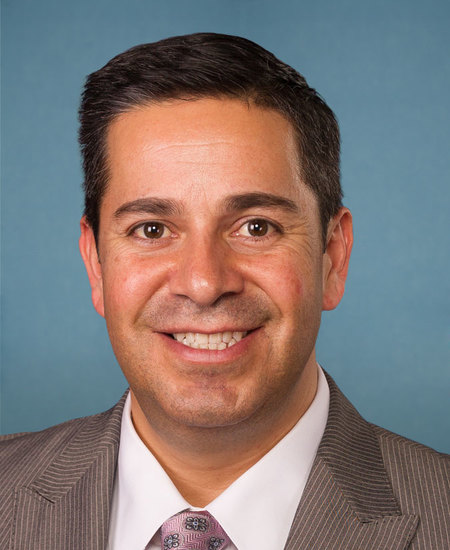
Sen. Ben Ray Luján
Sponsored bills
Maddy summaryS 2960, the "Expanding the VOTE Act," requires states and local election officials to provide voting materials (including digital and printed ballots, notices, and instructions) in minority languages when communities meet specific population thresholds. It clarifies that "voting materials" now explicitly include digital content and mandates new notices for jurisdictions near population thresholds. For American Indian and Alaska Native communities with unwritten languages, it requires oral assistance instead of written translations, while still mandating written materials for election workers. The bill also creates $15 million in grants to help jurisdictions provide materials in languages that don’t yet meet coverage thresholds, and directs a study on lowering population thresholds for language access requirements.
Maddy summarySRES 355 is a Senate resolution recognizing that Native American communities on federal reservations, Alaska Native villages, and Native Hawaiian communities face critical barriers to clean drinking water, with nearly half lacking reliable access. It affirms the Federal Government’s trust responsibility to address this issue and directly urges the executive branch to take concrete action. The resolution calls for creating an interagency task force to expedite water infrastructure projects, provide technical assistance to tribes for accessing federal funding, and ensure infrastructure development is not delayed by unresolved water rights disputes. It emphasizes that existing funding from the Infrastructure Investment and Jobs Act and Inflation Reduction Act requires better support to be effectively implemented, without tying progress to water rights settlements. This resolution expresses the Senate’s policy stance but does not create new legal requirements.
Maddy summaryThis Senate resolution supports designating September 17-23, 2023, as National Adult Education and Family Literacy Week. It expresses the Senate’s backing for raising public awareness about adult education, workforce skills, and family literacy programs. The resolution encourages broader support for these initiatives but does not create new laws, funding, or direct obligations. It serves as a symbolic gesture highlighting the importance of literacy for individuals and communities.
Maddy summaryThe Algorithmic Accountability Act of 2023 requires companies that deploy automated decision systems making critical life decisions (such as for housing, employment, healthcare, or financial services) to conduct impact assessments before and after implementation. Covered entities include businesses with over $50 million in annual revenue or those handling data for more than 1 million consumers, which must document system impacts and mitigate negative effects on consumers. Companies must submit annual summary reports to the Federal Trade Commission detailing their assessments, with the FTC creating a public repository of anonymized information to inform consumers and researchers. The law mandates transparency about how systems affect consumers but does not require full disclosure of all assessment details. This bill establishes concrete requirements for accountability in automated decision-making systems affecting critical aspects of consumers' lives.
Maddy summaryS 2895, the Adoption Tax Credit Refundability Act of 2023, makes the federal adoption tax credit refundable. This change directly affects low-income adoptive parents who previously could not claim the credit if they owed no federal income tax. The bill restructures the credit in the tax code to allow families to receive it as a direct payment, even if their tax liability was zero. It applies to taxable years beginning after December 31, 2022, and includes a transitional rule for credits carried forward from prior years. The law does not alter the credit amount or eligibility criteria, only its refundability.
Maddy summaryThis bill requires U.S. colleges and universities participating in federal student aid programs to create clear anti-harassment policies covering harassment based on race, sex, disability, religion, and other protected characteristics. These policies must specifically prohibit harassment occurring online (via emails, social media, or institutional networks), on campus, in dorms, and during school-sponsored activities. It also establishes a $50 million annual grant program to fund campus prevention programs, counseling services, and training for students, faculty, and staff on recognizing and addressing harassment. The law adds these requirements to existing federal protections under Title IX and the Civil Rights Act, without replacing them.
Maddy summaryThis bill establishes specific humanitarian standards for individuals in U.S. Customs and Border Protection (CBP) custody. It directly affects all detainees in CBP facilities, including migrants, asylum seekers, and others held in border patrol stations, ports of entry, and detention centers. Key provisions require CBP to conduct initial health screenings within 12 hours (6 hours for high-priority cases), ensure access to 1 gallon of water per person daily, provide 3 meals with age-appropriate calorie requirements, and maintain shelter conditions that separate genders, accommodate children and people with disabilities, and maintain safe temperatures. The bill also mandates medical equipment and personnel, training for CBP staff, and regular inspections to ensure compliance with these standards.
Maddy summaryThis Senate resolution symbolically designates September 2023 as "National Voting Rights Month" to raise awareness about voting rights history and current challenges. It recommends Congress pass specific voting rights legislation (like the Freedom to Vote Act and Democracy Restoration Act) and encourages public education on voting accessibility, registration, and historical voter suppression. The resolution has no binding effect on policy or funding - it serves as a symbolic recognition and call to action for voting rights advocacy.
Maddy summaryThe Fostering Success in Higher Education Act of 2023 creates a federal grant program to improve higher education access and success for foster youth and homeless youth. It authorizes $150 million annually for states to use 25% of funds for direct outreach and support services (including financial aid guidance, career exploration, and summer preparation programs) and at least 70% for subgrants to colleges to improve services for these students. The bill requires states to develop plans for identifying and supporting these students, coordinate with child welfare and homeless services, and submit annual reports on program outcomes. This legislation directly affects foster youth (those who were in state or tribal care) and homeless youth (as defined by the McKinney-Vento Act), aiming to address barriers they face in accessing and completing postsecondary education.