

Maddy summaryThe ROUTERS Act (S 4572) mandates the Commerce Secretary to study national security risks from consumer routers, modems, and combined devices designed, made, or supplied by companies owned by or influenced by "covered countries" (as defined by existing law, including nations like China). This study, to be completed within one year of the bill's enactment, will assess security threats posed by such devices. The findings must be reported to the Senate Commerce Committee and House Energy Committee. The bill does not impose new restrictions but requires a government review of potential security vulnerabilities in specific networking hardware.
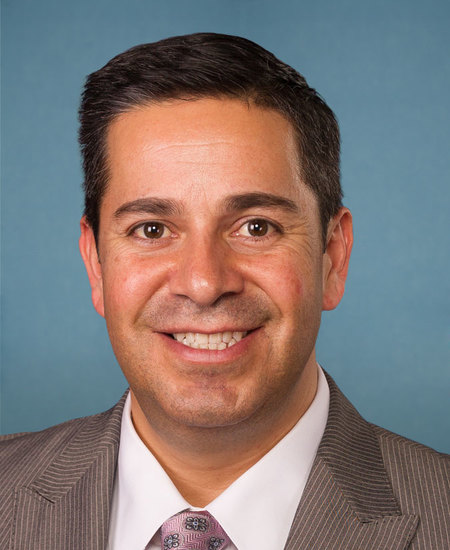
Sen. Ben Ray Luján
Sponsored bills
Maddy summaryThis bill creates a program to enhance the safety of state and local judges and court staff by establishing State judicial threat intelligence and resource centers. These centers, funded through eligible national nonprofits with expertise in judicial security, will provide security training, conduct threat monitoring, and coordinate with law enforcement to address safety risks. They will also develop standardized reporting systems, a national threat database, and security assessments for courts and judicial staff. Annual reports to Congress will track the number and severity of threats faced by judges and court personnel.
Maddy summaryThis bill reauthorizes and extends existing Alzheimer's disease and dementia programs through fiscal year 2029. It specifically provides $33 million annually for states and public health departments to support Alzheimer's initiatives, including community-based care and research translation. Key provisions require translating clinical trial findings into community practices and strengthen coordination with the CDC. The bill directly affects state health agencies and public health departments receiving federal funding for dementia care programs. It does not create new programs but extends current funding mechanisms and adds a new requirement to apply research findings to community-level interventions.
Maddy summaryThe Domestic Workers Bill of Rights Act would establish key labor protections for domestic workers, including nannies, housekeepers, and personal care aides, who are predominantly women of color and immigrants. The bill requires written agreements between employers and workers, provides earned sick days for health and family needs, ensures fair scheduling practices, and protects against wage theft and retaliation. It also extends overtime protections to live-in domestic employees and includes privacy rights, meal and rest breaks, and anti-discrimination protections. The legislation creates a Domestic Employee Standards Board to recommend workplace standards and establishes a National Domestic Employee Hotline to assist workers with their rights.
Maddy summaryS 4499, the Youth Lead Act of 2024, amends an existing provision in the Agricultural Research, Extension, and Education Reform Act of 1998. It extends the expiration date for grants to youth organizations from 2023 to 2029, specifically modifying Section 410(d)(2). This change directly affects organizations currently receiving or eligible for these agricultural education and youth development grants. The bill makes a procedural adjustment to the grant program's sunset date without altering funding levels or program requirements. It does not create new programs or change who qualifies for these specific grants.
Maddy summaryThis bill delays a Medicare policy that would have restricted oral medications for managing phosphate levels in end-stage renal disease (ESRD) patients. It extends the implementation deadline from January 1, 2025, to January 1, 2027, for the policy affecting drugs used to control serum phosphate. The bill also requires the Health Secretary to study Medicare coverage gaps, costs, patient adherence (measured via phosphate levels), and adverse events related to these medications. The study will examine data from 2022-2024 and propose strategies to improve adherence and reduce costs for ESRD patients enrolled in Medicare Part D or Medicare Advantage plans.
Maddy summarySRES 726 designates June 6, 2024, as National Naloxone Awareness Day to highlight naloxone's role in reversing opioid overdoses. The resolution emphasizes that naloxone is a safe, effective medication that can save lives when administered promptly during opioid emergencies. It encourages public education about naloxone access, reduces stigma around substance use disorder, and urges federal and local agencies to support broader distribution efforts. This symbolic measure does not create new laws but aims to increase awareness and access to life-saving overdose reversal medication.
Maddy summaryS 4381, the Right to Contraception Act, establishes a federal statutory right for individuals to access contraceptives and contraception services without government interference, directly affecting people seeking care, healthcare providers (like doctors, nurses, and pharmacists), and state governments. It prohibits states or the federal government from implementing laws that restrict access to contraceptives, hinder providers from offering services, or single out contraceptive care for special restrictions. The bill preempts conflicting state laws and creates legal avenues for individuals or providers to sue to block violations, with courts required to invalidate such restrictive laws. It explicitly does not alter existing requirements for health insurance coverage of contraceptives under federal law.
Maddy summaryS 930, the Honoring Our Fallen Heroes Act of 2023, creates a presumption that public safety officers (such as firefighters and police) who develop specific cancers after exposure during duty have work-related injuries. It defines "exposure-related cancer" to include 22 types (like lung, leukemia, and WTC-related cancers) and presumes these cancers are work-related if officers were exposed during service, diagnosed within 15 years of retirement, and the cancer caused death or permanent disability. The bill requires the Bureau to review scientific evidence to add new cancer types to the list within 180 days of a petition. This directly affects families seeking benefits for fallen officers by shifting the burden of proof to the Bureau, not the claimants.
Maddy summarySRES 702 is a symbolic Senate resolution designating May 2024 as "Latin Music Appreciation Month" to recognize Hispanic and Latino Americans' contributions to U.S. musical heritage. It highlights how genres like mariachi, salsa, reggaeton, and bachata - shaped by cultural fusion - have influenced American music, dance, and entertainment. The resolution specifically acknowledges underrecognized artists and their role in enriching U.S. culture, aligning with National Hispanic Heritage Month. As a non-binding resolution, it does not create new laws but formally celebrates this cultural impact for the public.