

Maddy summaryThe "No Tax Breaks for Outsourcing Act" (S 409) amends U.S. tax rules to prevent corporations from avoiding taxes through foreign operations. It changes the definition of taxable foreign income from "global intangible low-taxed income" to "net CFC tested income" and requires country-by-country reporting of income for tax purposes. The bill also limits interest deductions for certain corporations in international financial reporting groups and modifies rules for "inverted corporations" (foreign companies that acquire U.S. companies to avoid taxes). These changes aim to close tax loopholes that allow companies to outsource operations to foreign jurisdictions while reducing their U.S. tax burden. The bill's provisions would generally apply to taxable years beginning after December 31, 2024.
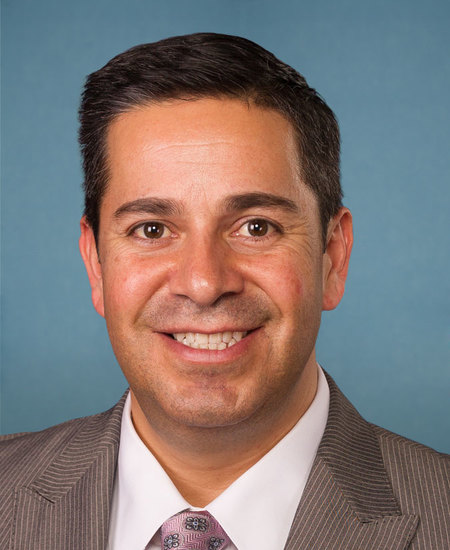
Sen. Ben Ray Luján
Sponsored bills
Maddy summaryS 415, the DOT Victim and Survivor Advocate Act, creates a new position within the Department of Transportation called the National Roadway Safety Advocate. This role directly serves road crash victims, survivors, and their families by acting as a liaison to share their perspectives with the Department on roadway safety programs and policies. The advocate will document stakeholder input, provide plain-language explanations of Department activities, and submit annual reports highlighting systemic safety issues and recommendations. The position cannot make policy decisions or alter regulations but focuses solely on facilitating communication between the Department and affected individuals.
Maddy summaryThis bill requires mandatory country of origin labeling for beef products, including ground beef, so consumers can see where their beef comes from. It updates existing labeling rules under the Agricultural Marketing Act of 1946 to specifically include beef (and ground beef) alongside other meats. The law directs the U.S. Trade Representative and Agriculture Secretary to find a World Trade Organization-compliant way to reinstate this labeling within a year of enactment. It directly affects beef producers, retailers, and consumers by changing how beef packaging must identify its country of origin.
Maddy summaryS 422, the Right to Contraception Act, establishes a federal statutory right for individuals to access contraceptives and for healthcare providers to offer contraceptive services, free from state restrictions. It directly affects all Americans seeking or providing contraception, particularly protecting historically marginalized groups like people of color, immigrants, LGBTQ+ individuals, and low-income or rural residents who face barriers to care. The bill overrides state laws that restrict access - such as bans on specific contraceptives, provider refusal policies based on personal beliefs, or Medicaid restrictions - and prohibits government actions that impede this right. Enforcement allows the Attorney General or affected individuals to challenge violations in court, with courts required to strike down restrictive laws.
Maddy summaryS 383 (the JOBS Act of 2025) expands Federal Pell Grant eligibility to students enrolled in certain short-term job training programs at eligible institutions of higher education. The bill creates a "job training Federal Pell Grant" for programs meeting specific criteria: 150-600 clock hours over 8-15 weeks, aligned with high-demand industry sectors, and leading to recognized postsecondary credentials that meet employer hiring requirements or licensure prerequisites. It also lowers the minimum Pell Grant award from 10% to 5% of the full annual amount. This directly affects students seeking career-focused training and institutions offering qualifying programs that validate industry partnerships.
Maddy summaryS 391, the Access to Counsel Act of 2025, requires U.S. Customs and Border Protection to provide certain immigrants access to legal counsel during immigration inspections at ports of entry or during deferred inspection. It directly affects individuals including lawful permanent residents returning from travel, visa holders, refugees, asylees, and parolees. The bill mandates that immigration officers ensure a meaningful opportunity for counsel consultation within one hour of inspection starting, including phone access, and allows counsel to present evidence to officers. Special rules require lawful permanent residents to receive legal advice before signing a form abandoning their status, unless they voluntarily waive this right in writing. The law takes effect 180 days after enactment and does not override existing rights to counsel under other immigration laws.
Maddy summaryThe NO BAN Act (S.398) amends U.S. immigration law to prohibit discrimination based on national origin, religion, or other protected categories when processing nonimmigrant visas or immigration benefits. It explicitly bans entry restrictions that target specific nationalities or religions, requiring the President to justify any such restrictions with specific evidence, narrow tailoring, and congressional notification under Section 212(f). The bill mandates detailed public reporting on visa denials, waivers, and refugee admissions for affected countries, and requires ongoing 30-day updates if entry restrictions are implemented. This directly affects nonimmigrant visa applicants, refugees, and commercial airlines subject to enforcement provisions.
Maddy summarySRES 51 is a symbolic Senate resolution expressing that the United States Agency for International Development (USAID) is essential for advancing U.S. national security. It states USAID helps mitigate foreign threats before they reach U.S. shores, promotes global stability, addresses the root causes of migration and extremism, and counters China's influence. The resolution does not change laws or funding - it only affirms the Senate’s view on USAID’s role. It was introduced by 38 Senators and refers to existing laws requiring congressional input for USAID changes.
Maddy summaryThis bill mandates increased federal funding for two key education programs. It requires annual appropriations for Title I of the Elementary and Secondary Education Act (which supports schools serving disadvantaged students) and the Individuals with Disabilities Education Act (IDEA, which funds special education) starting in 2026. The bill sets specific, rising annual funding levels - based on a 2025 baseline and national per-student spending - to gradually reach 40% of the national average per-pupil expenditure for IDEA by 2035. These funds directly affect school districts receiving Title I support and those providing special education services under IDEA. The funding is made mandatory, not discretionary, ensuring consistent annual support for these programs.
Maddy summaryThis bill establishes a federal grant program to fund the co-location of affordable housing and licensed child care facilities, primarily benefiting low-income families in areas with insufficient child care access ("child care deserts"). It provides up to $10 million per grant to eligible entities (like housing developers, community organizations, or tribal entities) for designing, building, or retrofitting facilities where housing residents can access on-site or nearby child care. Priority is given to projects in low-income, rural, or underserved communities that serve very low-income families or partner with child care providers certified for federal assistance. The program requires grantees to avoid evicting residents, engage housing residents in planning, and use funds strictly for facility-related activities, with annual reporting on outcomes like child care slots created and resident demographics.