

Maddy summaryThe Fair and Transparent Gas Prices Act of 2023 requires the Federal Trade Commission (FTC) to study whether oil and gas companies engage in anti-competitive or collusive conduct that inflates consumer prices, delays fuel supply, or restricts alternative energy options. The FTC must investigate specific practices like reducing fuel production investments, stock buybacks, and impacts on alternative fuel availability, working with state attorneys general. The study mandates a report to Congress within one year (and annually for two more years) with findings and recommendations for legislative or administrative action. This bill directly affects the FTC, oil and gas companies, and state attorneys general through its study requirements and funding ($15 million annually for 2024-2025), but does not change existing laws or prices.
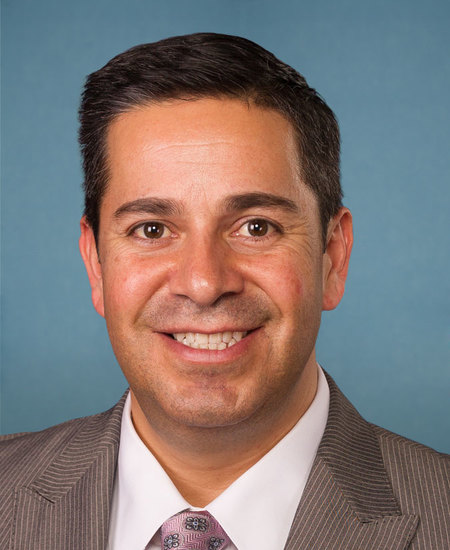
Sen. Ben Ray Luján
Sponsored bills
Maddy summaryThis bill would admit Washington, D.C. as the 51st state, officially named "State of Washington, Douglass Commonwealth," granting it full representation in Congress with two Senators and one Representative. It would establish a "Capital" area within the new state that remains under federal jurisdiction, including the White House, Capitol Building, and other key government properties. The bill would repeal the District of Columbia's congressional delegate position and the 23rd Amendment, which currently provides D.C. with electoral votes in presidential elections. It would also provide for the transition of federal properties, courts, and government functions while maintaining federal control over the Capital area.
Maddy summaryS 52, the American Beef Labeling Act of 2023, requires mandatory country of origin labeling for beef and ground beef products sold in the U.S. It directly affects beef producers, importers, and retailers who must label the country where cattle were raised. The bill amends existing labeling laws to explicitly include beef (and ground beef) alongside lamb, and directs the U.S. Trade Representative and Agriculture Secretary to develop a WTO-compliant method to reinstate this labeling within 180 days of enactment, with full implementation required within one year. This policy change ensures consumers receive clear origin information for beef products.
Maddy summaryThis bill would ban the sale, manufacture, transfer, and possession of most semiautomatic rifles, pistols, and shotguns meeting specific criteria defined as "assault weapons," as well as large capacity ammunition magazines holding more than 10 rounds. The ban would not apply to weapons already owned before enactment, or to certain types like bolt-action rifles, antique firearms, or weapons used by law enforcement. The bill would require identification markings on new assault weapons and magazines, require background checks for transfers of "grandfathered" weapons, and authorize federal buy-back programs for banned weapons through Byrne grants. It includes exemptions for military, law enforcement, and certain historical firearms.
Martha Wright-Reed Just and Reasonable Communications Act of 2022 This act requires the Federal Communications Commission (FCC) to ensure that rates and charges for payphone services or other calling devices, including advanced (e.g., audio or video) communications services in correctional institutions, are just and reasonable. When promulgating regulations or otherwise implementing this act, the FCC (1) may use industry-wide average costs related to providing telephone and advanced communications services, and (2) must consider costs for safety and security measures related to providing communications services in correctional facilities.
Iran Hostages Congressional Gold Medal Act This bill provides for the award of a Congressional Gold Medal to the 53 hostages of the Iran Hostage Crisis (November 4, 1979-January 21, 1981) in recognition of their bravery and endurance throughout their captivity.
Repealing Existing Substandard Provisions Encouraging Conciliation with Tribes Act or the RESPECT Act This act repeals certain provisions related to the treatment of Indians, including provisions on hostile tribes, alcohol, work requirements, penalties for truancy, and placement of youth in reform school without the consent of a parent or guardian.
Land Grant-Mercedes Traditional Use Recognition and Consultation Act This bill requires the Department of Agriculture (USDA) and the Department of the Interior to issue guidance related to certain community land grants in New Mexico made by Spain or Mexico to individuals, groups, and communities to promote the settlement of the southwestern United States (land grant-mercedes). The guidance shall set forth the policies and procedures for notice and comment on planning decisions, routine engagement, and major federal actions that could impact historical-traditional uses of a qualified land grant-merced. In developing, maintaining, and revising land management plans and National Forest System land and resource management plans, as applicable, the USDA or Interior shall consider and, as appropriate, provide for and evaluate impacts to historical-traditional uses by qualified land grant-mercedes.
Expanding the Voluntary Opportunities for Translations in Elections Act or the Expanding the VOTE Act This bill expands access to voting materials for individuals with limited proficiency in the English language, including by establishing incentive grants for states and political subdivisions to provide translated voting materials. Additionally, the bill directs the Government Accountability Office to study the impact of (1) reducing the threshold requirement under Section 203 of the Voting Rights Act of 1965, and (2) expanding the definition of language minorities to include native speakers of additional languages.
M.H. Dutch Salmon Greater Gila Wild and Scenic River Act This bill designates specified segments of rivers and creeks of the Gila River system in New Mexico as components of the National Wild and Scenic Rivers System and transfers 440 acres of land from the Gila National Forest to the Gila Cliff Dwellings Monument. The Department of the Interior or the Department of Agriculture (USDA) must consult with tribal governments, applicable political subdivisions of states, and interested members of the public when preparing the comprehensive management plan for such segments pursuant to the Wild and Scenic Rivers Act. Any nonfederal land within or adjacent to such a segment that is acquired by the United States shall be incorporated in, and be administered as part of, the applicable segment. No land or interest in land shall be acquired without the owner's consent. Interior or USDA may authorize the construction of a native fish habitat restoration project within such a segment if the project would enhance the recovery of a threatened or endangered species, a sensitive species, or a species of greatest conservation need, including the Gila Trout; and would not unreasonably diminish the free-flowing nature or outstandingly remarkable values of the segment.