

Maddy summaryThis resolution (SRES 123) recognizes four U.S. Department of State and USAID fellowship programs: the Charles B. Rangel Graduate Fellowship, Thomas R. Pickering Foreign Affairs Fellowship, William D. Clarke, Sr. Diplomatic Security Fellowship, and Donald M. Payne International Development Fellowship. It affirms that these programs help recruit diverse talent - including Pell-eligible and first-generation students - from historically excluded groups into foreign affairs careers. The resolution states these merit-based, need-based programs strengthen national security and diplomacy by building a workforce that reflects America’s diversity. It emphasizes that these programs are statutorily mandated and vital for U.S. global engagement.
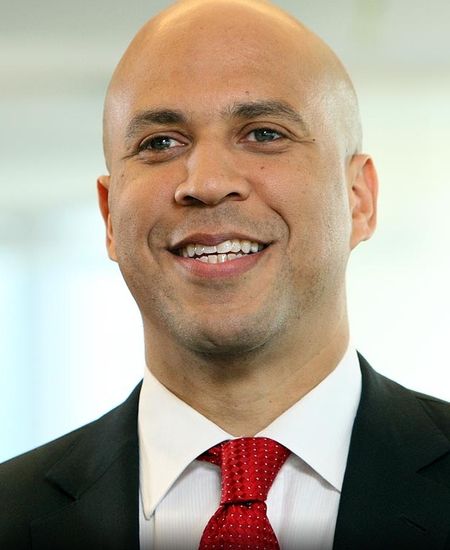
Sen. Cory A. Booker
Sponsored bills
Maddy summaryS 951, the "Stop Comstock Act," amends federal obscenity laws to remove outdated and restrictive language. It deletes terms like "indecent" and "immoral" from Title 18 (e.g., Sections 552, 1461, 1462) and the Tariff Act, which were historically used to block access to reproductive health materials. The bill directly affects how federal law defines "obscene" materials, eliminating references to abortion, contraception, or "immoral use" that could be misapplied to restrict lawful medical information. This is a technical legal update to clarify that federal obscenity laws do not cover protected reproductive health content.
Maddy summaryThe NCAA Accountability Act of 2025 requires national intercollegiate athletics associations (like the NCAA) to implement strict due process procedures when investigating member schools or athletes for rule violations. It mandates written notices detailing allegations within 60 days, limits investigations to violations within the past two years, requires detailed notice of charges eight months after an inquiry begins, and guarantees fair hearings within one year. The bill also establishes binding arbitration for disputes over penalties and requires annual reports to the Attorney General, with enforcement including civil penalties up to $15 million for noncompliance. This directly affects all member institutions (colleges/universities) in these associations and the associations themselves.
Maddy summaryThe Medicare Dental, Hearing, and Vision Expansion Act of 2025 would expand Medicare Part B coverage to include dental, hearing, and vision services starting in 2027. This would cover preventive dental services at 100% and other dental services at 80%, hearing aid examinations and hearing aids at 80%, and routine eye exams at 80% with frequency limits (such as two dental cleanings per year). The bill includes $900 million for dental, $370 million for hearing, and $500 million for vision implementation funding, affecting approximately 65 million Medicare beneficiaries who currently pay out-of-pocket for these services.
Maddy summaryThe Downpayment Toward Equity Act of 2025 would create a federal program providing downpayment assistance to first-generation homebuyers purchasing primary residences. The program would allocate $100 billion to states and eligible organizations to cover downpayment, closing costs, and mortgage rate reductions, with assistance capped at $20,000 or 10% of the home's purchase price. To qualify, applicants must be first-generation homebuyers (neither they nor their parents previously owned a home), meet income limits, and complete homeownership counseling. The program includes reporting requirements to track demographic data and ensure fair housing outcomes, with funds available until expended.
Maddy summaryThis bill disallows tax deductions for interest and depreciation on rental properties owned by individuals or entities holding 50 or more single-family homes (defined as properties with four or fewer units). It directly affects large-scale landlords, including corporations or investors who own extensive rental portfolios, by removing these deductions from taxable income. Exceptions apply if the property is sold to an individual for their primary residence or to a qualified nonprofit organization focused on affordable housing (like community land trusts or housing nonprofits). The law aims to limit tax benefits for investors who own many rental homes, while preserving deductions for sales that support housing affordability. It takes effect for taxable years after enactment.
Maddy summarySCONRES 9 is a symbolic congressional resolution expressing support for recognizing March 10, 2025, as "Abortion Provider Appreciation Day." It honors abortion providers and staff for their work amid increased challenges following the Dobbs decision, which overturned Roe v. Wade. The resolution specifically acknowledges the risks providers face, including harassment and clinic closures, and affirms Congress’s commitment to their safety and patients’ access to abortion care. As a non-binding statement, it does not create new policy but publicly recognizes the contributions of providers in a landscape of restrictive abortion laws.
Maddy summaryS 916 prohibits the detention of pregnant, lactating, or postpartum noncitizens in immigration custody, requiring their immediate release except in rare cases involving credible safety threats. It bans all physical restraints during pregnancy, labor, delivery, and postpartum recovery, with strict limits on exceptions. The bill mandates access to comprehensive reproductive healthcare, including prenatal care, labor services, and postpartum support, while requiring facilities to provide medical consent and maintain detailed reporting on detention practices. These provisions apply directly to noncitizens held by U.S. Immigration and Customs Enforcement (ICE) or U.S. Customs and Border Protection (CBP) facilities.
Maddy summaryS 914, the Protect Veteran Jobs Act, allows veterans involuntarily removed from federal civil service positions without cause between January 20, 2025, and the bill’s enactment date to seek reinstatement to their former role or a similar qualified position. It directly affects eligible veteran federal employees and requires all executive agencies to submit detailed reports every 90 days to congressional committees, including the number of veteran removals and the reasons for each. The reports must cover the period from the bill’s enactment until January 20, 2029, and include specific data on veteran separations. This bill creates a formal process for veterans to regain federal employment and mandates transparency through regular agency reporting.
Maddy summaryThis bill requires federal contractors and their subcontractors to annually certify whether they or their subcontractors have been found liable for child labor violations under the Fair Labor Standards Act within the past three years. Entities that fail to address such violations face exclusion from federal contracts for at least four years, with their names publicly listed in the System for Award Management. The law mandates that contractors submit these certifications as part of the bidding process, and agencies must withhold contracts from non-compliant entities or those using non-compliant subcontractors. It also increases civil penalties for child labor violations in federal contracting and directs a GAO study on the prevalence of such violations among contractors.