

Maddy summaryS 1312 establishes a new Office of the Special Investigator within the USDA to investigate competition violations in the meat and poultry industry. The Special Investigator, appointed by the Secretary, will investigate packers and live poultry dealers for violations of the Packers and Stockyards Act (7 U.S.C. 181 et seq.) using tools like subpoenas and can bring civil or administrative actions against these regulated entities. The office must coordinate with the Department of Justice, Federal Trade Commission, and Homeland Security on competition and security matters within the food sector. This bill directly affects meat and poultry processors and dealers regulated under the Packers and Stockyards Act, creating a dedicated USDA office with specific investigative and prosecutorial authority for competition issues.
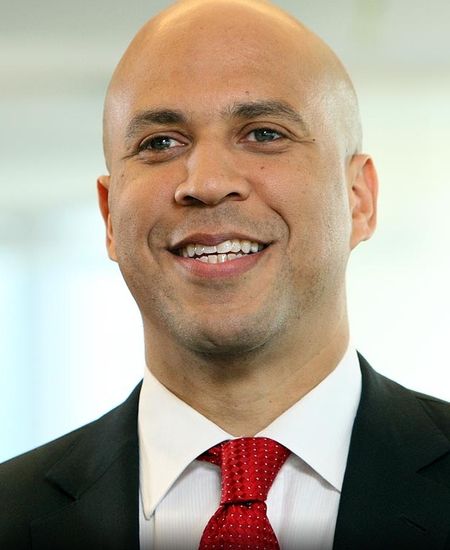
Sen. Cory A. Booker
Sponsored bills
Maddy summarySRES 157 designates April 2025 as "National Native Plant Month" to recognize the environmental and ecological benefits of native plants. The resolution highlights that native plants - indigenous species adapted to specific regions - support biodiversity, improve air and water quality, stabilize soils, and provide essential food and habitat for wildlife like birds and pollinators. As a non-binding Senate resolution, it does not create new laws or funding but aims to raise public awareness about conserving native plant species, which face threats from habitat loss and invasive species.
Maddy summaryS 1310, the No Tax Breaks for Union Busting (NTBUB) Act, denies tax deductions for employer spending aimed at influencing workers' decisions about union organizing or collective bargaining. It amends the tax code to block deductions for expenses like anti-union consultant fees, captive audience meetings, and other tactics that interfere with labor rights under the National Labor Relations Act. Employers must report such spending on tax returns with specific details, including dates, amounts, and whether activities relate to unfair labor practice charges. This directly affects businesses that engage in anti-union organizing tactics, removing a tax incentive for these activities while preserving deductions for standard union negotiations.
Maddy summaryThe IDEA Full Funding Act (S 1277) mandates specific annual funding levels for the Individuals with Disabilities Education Act (IDEA) starting in fiscal year 2026. It sets fixed dollar amounts or percentage-based funding (ranging from 11.6% to 40% of a calculated base) for states providing special education services to children with disabilities aged 3-21. Funding becomes available on July 1 each year and remains accessible through September 30 of the following year, with amounts increasing annually through 2035. This directly affects all states receiving IDEA grants by guaranteeing minimum federal funding tied to the number of eligible students and national per-pupil spending averages.
Maddy summaryThe Building Child Care for a Better Future Act authorizes $20 billion annually for child care programs starting in 2026, with automatic annual increases based on inflation, and creates a new $5 billion annual grant program to improve child care workforce, supply, quality, and access in underserved communities. It requires states, territories, and tribes to identify areas with particular child care needs and prioritize services for low-income families, children with disabilities, rural areas, dual-language learners, and providers serving high proportions of eligible children. The bill mandates detailed reporting on how funds are used, including annual assessments of child care supply and quality improvements, and ensures federal funds supplement rather than replace existing state child care funding. This legislation directly affects states, tribes, child care providers, and families seeking affordable, high-quality child care in communities with limited access.
Maddy summaryS 1289 authorizes the U.S. Mint to produce and sell commemorative $5 gold and $1 silver coins to mark the 25th anniversary of the September 11, 2001, terrorist attacks. The bill specifies coin specifications (e.g., 90% gold/silver content, design requirements including "Never Forget"), sets a one-year issuance window (January 1, 2027-2028), and requires surcharges of $35 per gold coin and $10 per silver coin. These surcharges will be paid directly to the National September 11 Memorial and Museum to support its operations and maintenance, with coins sold at a price covering face value, surcharge, and production costs. The legislation does not impose new regulations or affect public policy but focuses on commemoration and funding for the museum.
Maddy summaryThis bill would allow workers to deduct union dues directly from their taxable income (an "above-the-line" deduction) and restore deductions for other work-related expenses like uniforms or tools that were disallowed after 2017. It affects employees who pay union dues or incur job-specific costs, particularly those in unionized workplaces or professions requiring specialized equipment. The key mechanism creates a new deduction for union dues under existing tax code sections and revives the ability to itemize other work expenses, excluding them from the 2% floor on miscellaneous deductions. These changes would apply to tax returns filed for years beginning after December 31, 2024.
Maddy summaryThe Federal Firearm Licensee Act (S 1294) requires federally licensed firearm dealers to implement stronger security measures for their premises and firearms inventory. The bill mandates annual security certifications, physical inventory checks, and electronic recordkeeping for all firearms transactions, while repealing restrictions that previously limited the ATF's ability to share crime gun trace data with law enforcement. It also increases licensing fees for dealers and establishes new requirements for online marketplaces facilitating firearm sales. These changes aim to improve accountability and reduce firearms diversion to criminals.
Maddy summaryThe Fair Day in Court for Kids Act of 2025 requires the government to provide free legal counsel at no cost to unaccompanied children in immigration court proceedings, starting as soon as possible after a notice to appear is issued. It mandates that children receive their complete immigration file within 7 days and have at least 10 days to review it before court proceedings continue, unless they waive this time. The bill also requires annual reports to Congress on the number of children represented, their nationalities and ages, and the effectiveness of legal representation programs.
Maddy summaryThe CONNECT for Health Act of 2025 expands Medicare coverage for telehealth services by removing geographic restrictions that previously limited where patients could receive telehealth care. It allows more healthcare providers to offer telehealth services, including expanding eligibility for practitioners and removing the six-month in-person visit requirement for telemental health. The bill also includes specific provisions for Federally Qualified Health Centers, rural health clinics, and Native American health facilities to better integrate telehealth into their services. Additionally, it establishes program integrity measures to address billing patterns and requires the posting of telehealth service data to improve transparency and quality measurement. These changes aim to make telehealth more accessible for Medicare beneficiaries, particularly in rural areas and for underserved populations.