

Maddy summaryThe Gun Records Restoration and Preservation Act (S 598) would repeal the Tiahrt Amendments, which currently require background check records to be destroyed within 24 hours and prohibit federal requirements for annual inventory audits of gun shops. By removing these restrictions, the bill would allow law enforcement to retain background check records, conduct regular inventory checks of firearms dealers, and make ATF firearm trace data more accessible for research on gun trafficking. This change directly affects federal agencies (like ATF), state/local law enforcement, gun dealers, and researchers studying gun violence patterns. The bill aims to improve tracking of illegal firearms and inform evidence-based policy decisions, without altering gun laws or ownership rights.
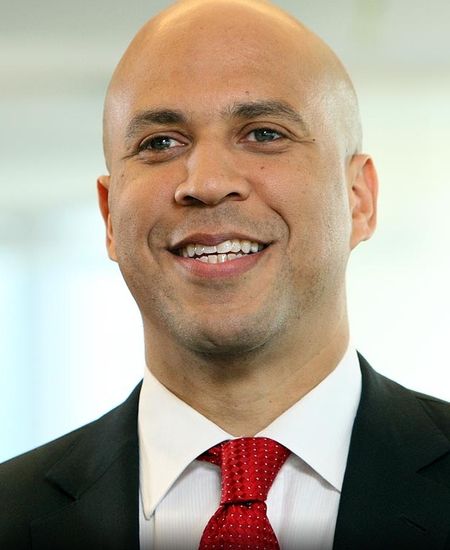
Sen. Cory A. Booker
Sponsored bills
Maddy summaryThe Preserve Access to Affordable Generics and Biosimilars Act prohibits "reverse payment" settlements where brand-name drug companies pay generic competitors to delay market entry, treating such agreements as anticompetitive violations of the Federal Trade Commission Act. The bill empowers the FTC to enforce these rules through civil penalties that can reach up to three times the value transferred in the settlement and allows for the forfeiture of a generic company's 180-day exclusivity period if they violate the new law. It also requires executives to certify that all settlement documents filed with regulators are complete and accurate, including any related oral agreements or contingent conditions. These provisions apply to both traditional generic drugs and biosimilar biological products to ensure that patent disputes do not unduly restrict consumer access to lower-cost alternatives.
Maddy summaryS 148, the Stop STALLING Act, targets pharmaceutical companies that file sham petitions to delay generic drug approvals. It authorizes the Federal Trade Commission (FTC) to penalize companies submitting objectively baseless petitions under FDA drug approval processes, which are deemed to interfere with competitors' business. Penalties include up to $50,000 per day a sham petition was under review or revenue from drug sales during the delay. The bill directly affects brand-name drug manufacturers (who may file such petitions) and generic drug developers (who face delays), with enforcement triggered by the Secretary of Health and Human Services' determination of delay intent. It applies to petitions filed after enactment and does not alter existing antitrust laws.
Maddy summarySRES 84 designates February 28, 2023, as Rare Disease Day to acknowledge the more than 25 million Americans living with rare diseases - conditions affecting fewer than 200,000 people in the U.S. The resolution encourages efforts to improve public awareness, support early diagnosis, and advance research for treatments, without creating new legal requirements or funding. It recognizes ongoing federal initiatives like the FDA's Accelerating Rare Disease Cures program and the 2023 rare disease endpoint pilot.
Maddy summaryThis bill authorizes Congress to award a single gold medal to the First Rhode Island Regiment collectively, recognizing their service during the Revolutionary War. The medal, designed by the Treasury Secretary, will be permanently displayed at the Rhode Island State Library, with Congress encouraging its use for research and potential display at other historically significant locations. Bronze duplicates may be sold to cover production costs, and all medals are classified as national medals under U.S. law. The bill directly honors the regiment, which in 1778 became one of the first integrated units in American history by recruiting over 200 Black and Indigenous soldiers.
Maddy summaryS 557, the Opportunities for Fairness in Farming Act of 2023, regulates agricultural commodity checkoff programs - funded by farmers' fees to promote specific products like cotton, beef, or dairy. The bill prohibits these boards from using funds for lobbying, conflicts of interest, or unfair business practices that harm other agricultural producers. It requires full public disclosure of all spending, including recipient names and purposes, and mandates regular audits by the USDA Inspector General and the Comptroller General to ensure compliance. These changes aim to prevent misuse of funds and increase transparency in how commodity promotion programs operate.
Maddy summaryThis bill makes technical corrections to the World Trade Center Health Program to better support 9/11 responders and survivors. It expands eligibility to include federal workers who responded to the September 11 attacks at the Pentagon and Shanksville, Pennsylvania sites, with specific criteria for these responders. The bill adds flexibility for health care provider certifications, allowing more types of licensed health professionals to conduct evaluations. It also creates two new funding streams: a $1.78 billion Special Fund and a $257 million Pentagon/Shanksville Fund to cover health care costs through 2033.
Maddy summaryThis bill requires the removal of statues in the U.S. Capitol that honor individuals who served in the Confederate States of America. The Architect of the Capitol must identify and remove these statues within 120 days of enactment, with states able to request the return of statues they provided (at their own cost) or have them stored by the Capitol. The bill appropriates $2 million for removal, transfer, storage, and security costs related to the process. It directly affects the Capitol's display of statues, the Architect of the Capitol, and states that originally contributed such statues. The law amends existing rules to exclude Confederate service from eligibility for Capitol statues.
Maddy summaryThis bill provides federal funding to expand job training and work programs for incarcerated people in federal prisons. It allocates $210 million annually (2024-2029) for Bureau of Prisons occupational education, plus $10 million yearly under the Omnibus Crime Control Act and $70 million under another program for vocational training. The bill requires annual reports starting in 2026 to evaluate whether these programs improve job skills and post-release employment prospects. It directly affects incarcerated individuals in federal facilities by offering skills training during their sentences.
Maddy summaryThis bill extends workplace safety protections under the federal Occupational Safety and Health Act to incarcerated workers in correctional facilities, including those participating in prison work programs, maintenance, or state industries. It requires states and federal prisons to submit annual reports on safety conditions, injuries, and compliance with safety standards. The bill also allocates $20 million annually for fiscal years 2024-2029 to provide grants helping states update laws and enforce these protections. These changes directly affect incarcerated workers by ensuring they receive the same safety reporting and enforcement mechanisms as other employees.