

Maddy summaryS 1098, the Global Health, Empowerment and Rights Act, changes U.S. aid rules for foreign nongovernmental organizations (NGOs) receiving funding under the Foreign Assistance Act. It removes eligibility barriers for these NGOs if they provide health services (like counseling) using their own funds, as long as those services comply with local laws and would be legal in the U.S. It also eliminates extra restrictions on how foreign NGOs can use non-U.S. government funds for advocacy or lobbying, making these rules the same as those applied to U.S. NGOs receiving similar aid. This directly affects foreign health-focused NGOs working in international development and rights advocacy.
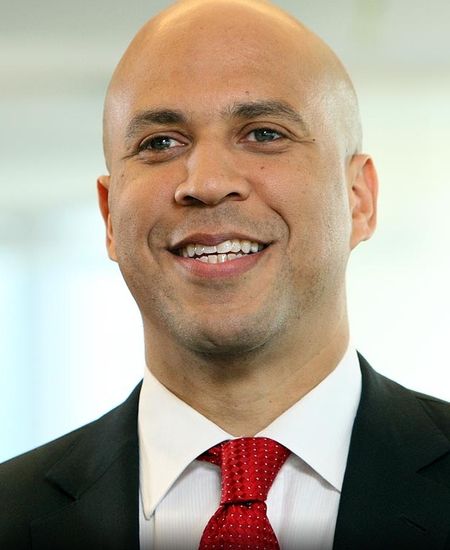
Sen. Cory A. Booker
Sponsored bills
Maddy summaryThe Smarter Sentencing Act of 2023 reduces mandatory minimum prison sentences for certain non-violent drug offenses under federal law. It redefines "courier" as someone whose role is limited to transporting drugs or money, setting lower sentencing ranges for couriers (5-10 years for first offenses, 10-20 years for repeat offenses) compared to other drug traffickers. The bill allows courts to reduce sentences for people already convicted of covered drug offenses, and directs the Sentencing Commission to update federal sentencing guidelines to align with these changes. It also requires reports on federal criminal offenses and their penalties to improve transparency. This primarily affects individuals convicted of federal drug crimes, particularly those acting as couriers or facing mandatory minimums.
Maddy summaryThis bill removes the requirement that background checks for gun sales must be completed within 10 business days. It directly affects federally licensed gun sellers who conduct these checks, eliminating the specific deadline they previously had to finalize the process. The key provision amends existing law (18 U.S.C. § 922(t)(1)) to eliminate the 10-day timeframe, allowing sellers to complete checks without that strict deadline. The bill also includes minor technical corrections to related laws like the Brady Act and Bipartisan Safer Communities Act.
Maddy summaryThis bill increases the age limit for children to receive CHAMPVA medical benefits from 21 to 26 years old, regardless of marital status. It directly affects children of veterans who rely on the CHAMPVA program for healthcare coverage. The key provision amends Section 1781 of Title 38, U.S. Code, to extend eligibility until the child's 26th birthday. The change applies to medical care provided on or after the bill's enactment date.
Maddy summaryS.1135, the "Ally’s Act," requires most private health insurance plans to cover hearing implants and related services for people with hearing loss. It mandates coverage for cochlear implants, bone conduction devices, maintenance, repairs, surgical procedures, hearing assessments, and rehabilitation - without separate cost-sharing or medical necessity reviews. The law applies to group health plans, individual insurance, and employer-sponsored plans, affecting insurers and individuals diagnosed with hearing loss by a physician or audiologist. Coverage must meet the same financial and treatment standards as other medical services, with full implementation required by 2025.
Maddy summaryThis bill repeals two specific legal authorizations for U.S. military force against Iraq: the 1991 authorization (Public Law 102-1) and the 2002 authorization (Public Law 107-243). If enacted, it would end the legal basis for military operations in Iraq under these two resolutions. The repeal directly affects the executive branch’s authority to use military force against Iraq under these specific laws. It does not create new policy but removes existing legal permissions.
Maddy summarySRES 138 is a non-binding Senate resolution recognizing the global risks faced by environmental defenders - individuals protecting natural resources and human rights - and commending their work. It urges the U.S. government to take specific actions, including establishing a dedicated State Department position on environmental defenders, integrating their protection into foreign policy, and using diplomatic pressure to address violence against them. The resolution also calls for ensuring U.S. aid and international financial support do not fund projects harming defenders or the environment, while highlighting the disproportionate threats in regions like Latin America and Asia. It does not create new laws but sets policy recommendations for U.S. agencies and diplomacy.
Maddy summarySenate Bill 1036, the Senior Hunger Prevention Act of 2023, aims to improve nutrition assistance access for seniors (60+) and people with disabilities by amending the Food and Nutrition Act. Key provisions include extending SNAP certification periods from 24 to 36 months, establishing a standardized medical expense deduction starting at $155 for fiscal year 2024 (adjusted annually), and creating simplified application programs (ESAP and CAP) to reduce administrative barriers for eligible households. The bill also funds a pilot program for outreach and enrollment targeting older adults, kinship families, and adults with disabilities, and expands food delivery services for eligible participants. Additional provisions increase funding for the Commodity Supplemental Food Program and Seniors Farmers' Market Nutrition Program.
Maddy summaryThe Gun Violence Prevention Research Act of 2023 would authorize $50 million annually for the Centers for Disease Control and Prevention (CDC) to conduct or support research on firearms safety and gun violence prevention for fiscal years 2024 through 2029. This funding would allow the CDC to study the causes and prevention of gun violence, including evaluating safety measures and effective interventions. The research would be conducted under the Public Health Service Act, with the funding added to existing appropriations. The bill does not change current laws but provides dedicated resources for evidence-based research on gun violence as a public health issue.
Maddy summaryThis bill raises the salary threshold for white-collar workers (executives, administrators, professionals) to qualify for overtime pay under federal law. It sets new annual salary minimums: $45,000 starting in 2023, increasing to $55,000 in 2024, $65,000 in 2025, $75,000 in 2026, and then automatically adjusting yearly based on the 55th percentile of full-time salaried workers' earnings. The bill also limits exempt employees to no more than 20 hours per week on duties not directly related to their exempt roles. It directly affects millions of salaried workers currently excluded from overtime pay due to the current $35,568 annual threshold. The changes aim to restore overtime protections to historic levels by updating the threshold to reflect modern wages.