

Maddy summaryThis resolution designates May 2024 as National Foster Care Month to raise public awareness about challenges faced by children in foster care. It specifically highlights issues like the 368,530 children currently in foster care, the need for stable placements, and barriers to successful transitions to adulthood for youth aging out of the system. The resolution encourages Congress to develop policies that improve outcomes for these children, including supporting foster parents and preventing unnecessary entry into the system. As a symbolic resolution, it does not create new laws but aims to prompt legislative action through recognition and advocacy.
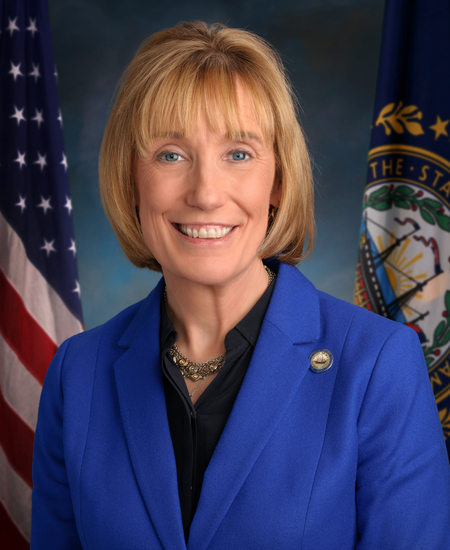
Sen. Margaret Wood Hassan
Sponsored bills
Retirement Investment in Small Employers Act This bill allows an increased tax credit for small employer pension plan startup costs for certain qualified microemployers (eligible employers who accept certain matching contributions).
Maddy summaryThe Help Grandfamilies Prevent Child Abuse Act amends the Child Abuse Prevention and Treatment Act (CAPTA) to better support children raised by relatives (kinship families) and their caregivers, primarily grandparents. It requires states to prioritize placing children with relatives as the first option, provide training for kinship caregivers on child behavioral health and trauma, and create community networks to support these families. The bill also mandates that federal grants for child welfare programs include specific plans for engaging kinship caregivers and tracking children placed with relatives outside foster care. These provisions directly affect over 2.4 million children in kinship families and the state systems that serve them.
Maddy summaryThis bill creates legal protections against the non-consensual disclosure of intimate digital depictions (deepfakes of intimate images). It allows individuals to sue for civil damages if their intimate digital depictions are disclosed without consent, requiring consent to be in writing, in plain language, and signed knowingly and voluntarily. The bill also establishes criminal penalties for knowingly disclosing such content without consent or distributing digital depictions of nude minors with harmful intent. Exceptions include law enforcement activities, legal reporting, and matters of public concern. Communications service providers are generally shielded from liability if they take good faith actions to restrict access to such content.
Maddy summaryThe SENIOR Act amends the Older Americans Act to specifically address loneliness among older adults, requiring the Administration on Aging to screen for loneliness (in addition to social isolation) in programs serving those with "greatest social need." It mandates a detailed report within 5 years, examining loneliness prevalence, health impacts, existing program effectiveness, and multigenerational family connections. The report must include recommendations to reduce loneliness's health effects and strengthen intergenerational family ties, with an interim update due at 2 years. This bill directly affects older individuals served by Older Americans Act programs and focuses on policy evaluation, not direct funding or new services.
Maddy summarySRES 697 is a commemorative resolution designating the week of May 12-18, 2024, as "National Police Week" in the U.S. Senate. It aligns with the 1962 law authorizing the President to designate this week, honoring law enforcement officers who have died or been injured in the line of duty. The resolution expresses support for officers, recognizes their service in protecting communities, and encourages public observance to honor their mission and sacrifices. It does not create new policies or affect specific groups, as it is purely ceremonial.
Maddy summarySRES 699 is a ceremonial Senate resolution congratulating students, parents, teachers, and leaders of U.S. charter schools for their contributions to education during the 25th Annual National Charter Schools Week (May 12-18, 2024). It does not create new laws or policies; instead, it symbolically recognizes charter schools’ role in providing public education options and improving student outcomes, as noted in the resolution’s background statements. The resolution directly addresses the charter school community and encourages public celebration of National Charter Schools Week. It is a non-binding expression of support, not a legislative action affecting any specific group or policy.
Maddy summaryThis bill makes it a federal crime to knowingly possess pill press molds with the intent to create counterfeit prescription drugs (like fake opioids or stimulants) that mimic legitimate products. It directly affects individuals attempting to manufacture fake pills by targeting the tools used to reproduce brand markings on counterfeit substances. Key provisions add a new offense under the Controlled Substances Act, imposing up to 20 years in prison and fines for possessing these molds, and require sentencing guidelines to increase penalties by at least two levels for this specific violation. The law focuses on disrupting the production of counterfeit pills by criminalizing the possession of the tools used to make them.
Maddy summaryThis resolution (SRES 692) designates May 7, 2024, as National Fentanyl Awareness Day to raise public attention about the dangers of counterfeit fentanyl pills. It highlights alarming statistics, including that illicit fentanyl was involved in 81% of drug-induced deaths among youth aged 14-23 in 2023 and that only 36% of teens were aware of fentanyl in fake pills. The resolution does not create new laws or funding but urges increased awareness and supports law enforcement efforts against counterfeit pills. It directly aims to educate families and young people about the risks of fake pills marketed as legitimate medications.
Maddy summarySRES 693 is a Senate resolution recognizing May as Asian American, Native Hawaiian, and Pacific Islander Heritage Month, celebrating the historical contributions of these communities to U.S. history. The resolution does not create new laws or funding but serves as a symbolic acknowledgment of their achievements, growth (including demographic data and key anniversaries like the 50th anniversary of *Lau v. Nichols*), and ongoing challenges like anti-Asian hate crimes. It directly honors these communities and aims to raise awareness of their diverse impacts on American society.