

Maddy summaryS 990, the Freedom to Haul Act of 2025, prohibits the Environmental Protection Agency (EPA) from implementing or enforcing Phase 3 greenhouse gas emissions standards for heavy-duty vehicles (finalized in April 2024). It amends the Clean Air Act to require that future emissions rules for vehicles cannot mandate specific technologies or limit the availability of new trucks based on engine type. This directly affects EPA regulatory authority and vehicle manufacturers, ensuring a broader range of new truck options remains available. The bill focuses on preventing regulatory restrictions on vehicle choice, not on emissions outcomes.
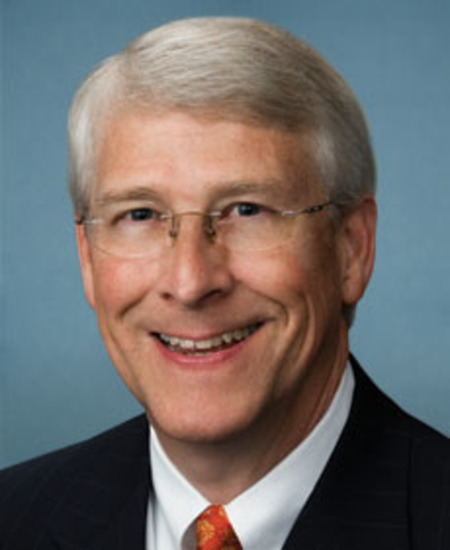
Sen. Roger F. Wicker
Sponsored bills
Maddy summaryThis bill repeals the EPA's 2024 emissions standards for light- and medium-duty vehicles and amends the Clean Air Act to prevent future regulations from mandating specific technologies or limiting new vehicle availability based on engine type. It directly affects the EPA's regulatory authority and vehicle manufacturers by blocking technology mandates and restrictions on engine types in new vehicles. Key provisions require the EPA to revise regulations within 24 months to align with these changes, ensuring no federal rules limit vehicle choices based on engine technology. The bill's title is misleading, as it does not address automobile retail sales or consumer choice at dealerships.
Maddy summaryThis bill amends the Clean Air Act to prevent states from imposing standards that limit the sale or use of new internal combustion engine vehicles. It adds a new requirement that state standards must not directly or indirectly restrict such vehicles, and it prohibits the EPA from considering pre-2025 state standards as valid under existing waivers. The bill also requires the EPA to revoke certain existing waivers granted between January 2022 and the bill's enactment date if those waivers don't comply with the new standard. This directly affects states with their own vehicle emission rules (like California's ZEV program), limiting their ability to regulate internal combustion engine vehicles through EPA-approved standards.
Veterans 2nd Amendment Protection Act of 2025 This bill prohibits the Department of Veterans Affairs (VA) from transmitting certain information to the National Instant Criminal Background Check System (NICS) utilized by licensed importers or dealers of firearms. Specifically, the bill prohibits the VA from transmitting personally identifying information of a veteran or a beneficiary to the NICS solely on the basis that such veteran or beneficiary has an appointed fiduciary to manage their benefits, unless there is an order or finding of a judicial authority that such veteran or beneficiary is a danger to themselves or others.
Maddy summarySCONRES 8 is a Senate concurrent resolution supporting the Local Radio Freedom Act. It urges Congress not to impose a new fee or charge on local radio stations for playing music over the air, or on businesses like bars and restaurants that play radio broadcasts publicly. The resolution argues that such a fee would disrupt the current system where radio stations provide free promotional support to the music industry and essential local services like emergency weather updates. It claims the existing model has fostered a thriving music and broadcasting sector without harming small businesses or consumers. This resolution does not create law but expresses congressional support for maintaining the current fee-free system.
Maddy summaryS 822, the Scientific EXPERT Act of 2025, establishes a new process for FDA-led meetings focused on drug development for rare diseases. It requires a Foundation to convene at least four annual "science-focused drug development meetings" each year, bringing together researchers, drug sponsors, patient groups, and FDA review staff to address scientific challenges like clinical trial design and biomarker use for rare conditions. The bill mandates public summaries of meeting outcomes and requires the FDA to disclose how input from these meetings influenced drug approval decisions. This directly affects FDA review divisions, rare disease drug developers, and patient advocacy groups by creating a structured forum to align on development strategies for unmet medical needs. The program is funded with $1 million annually from fiscal years 2025-2029.
Maddy summaryThis bill requires the VA Secretary to create rules so veterans can get a physical copy of Form 10-3452 (used for travel expense reimbursement claims) by mail or at any VA medical facility. It directly affects veterans who need to submit this form to claim reimbursement for travel costs related to healthcare. The key provision mandates that VA facilities must accept and process these physical forms submitted in person or by mail, ensuring veterans have accessible options beyond digital methods. This changes how veterans interact with the VA for this specific reimbursement process.
Maddy summaryThis bill amends federal education law to prohibit federally funded athletic programs from allowing individuals assigned male at birth to participate in sports designated for women or girls. It defines "sex" for this purpose as biological sex at birth, based on reproductive anatomy and genetics. The law directly affects schools, colleges, and sports organizations receiving federal funding. Violations would constitute a breach of Title IX, requiring programs to exclude individuals whose sex is male from women's or girls' athletic teams.
Maddy summaryThis joint resolution (SJRES 12) seeks to block an Environmental Protection Agency (EPA) rule that established procedures for a "Waste Emissions Charge" affecting petroleum and natural gas systems. Specifically, it targets the EPA's November 2024 rule (89 Fed. Reg. 91094) which outlined compliance methods like netting and exemptions for emissions charges. If passed, the resolution would formally disapprove the rule under federal law (Chapter 8 of Title 5, U.S. Code), preventing it from taking effect. The bill directly affects the oil and gas industry by removing a specific regulatory framework for emissions reporting and fees. This is a procedural disapproval measure, not a new policy.
Maddy summaryThis Senate resolution (SRES 104) designates February 27, 2025, as "Rare Disease Day" to formally recognize efforts related to rare diseases. It does not create new laws, funding, or programs, but highlights the importance of raising awareness, improving early diagnosis, and supporting research for conditions affecting millions in the U.S. (estimated at over 30 million people with rare diseases). The resolution serves as a symbolic gesture aligning with the global observance of Rare Disease Day.