

Maddy summaryThis bill prohibits the U.S. government from voting to allocate International Monetary Fund (IMF) funds (Special Drawing Rights) to member countries that: (1) committed genocide within the past decade, or (2) are designated as state sponsors of terrorism under specific U.S. laws (including those related to terrorism support and arms exports). It requires explicit congressional approval for any such allocation, blocking the President or U.S. agencies from authorizing these funds without Congress’s direct consent. The bill directly affects IMF member nations meeting these criteria, preventing U.S. financial support through IMF mechanisms. It creates a new requirement for congressional authorization, rather than changing existing terrorism or genocide designations.
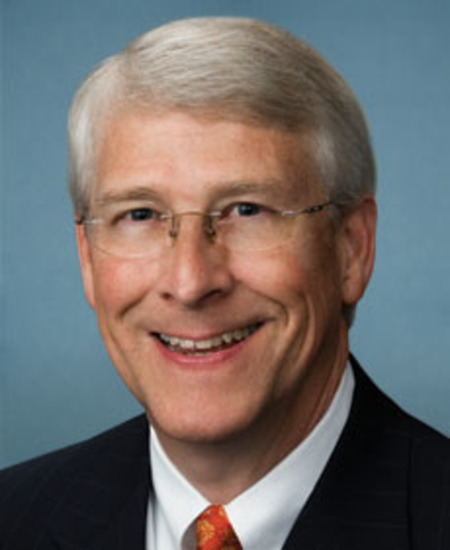
Sen. Roger F. Wicker
Sponsored bills
Maddy summaryThe Vessel Tracking for Sanctions Enforcement Act of 2025 (S 1103) establishes a 4-year pilot program to use big data analytics in identifying vessels that may be evading U.S. sanctions or export controls by disabling or manipulating their Automatic Identification System (AIS). The program, run by U.S. Customs and Border Protection at the National Targeting Center, analyzes vessel data like cargo type, ownership, destination, and AIS manipulation patterns to flag high-risk shipments. It requires coordination with Commerce, Treasury, and intelligence agencies, and mandates a report to Congress assessing the pilot's effectiveness and making future recommendations. The bill does not authorize new funding and focuses solely on testing this data-driven approach to detect sanctions evasion.
Maddy summaryThis bill establishes the Mississippi River Basin Fishery Commission within the Department of the Interior to coordinate management of interjurisdictional fisheries across the 31 states and 2 Canadian provinces in the Mississippi River Basin. The commission, composed of voting delegates from states, federal agencies, and tribes, will oversee six sub-basin management plans, develop strategies to control invasive species like carp, and administer grant programs for conservation projects. It will operate with nonbinding authority, meaning its recommendations do not override state or federal laws, and it must report annually to Congress on its activities. The commission focuses on ensuring long-term sustainability of fisheries that cross state lines and addressing ecological threats like invasive species.
Maddy summaryThis bill exempts certain loan repayments from taxable income for dental school faculty participating in federal or state loan repayment programs under the Public Health Service Act. It directly affects dental educators who receive funding through programs like the Dental Faculty Development and Loan Repayment Program (section 748(a)(2) of the Public Health Service Act). The key provision amends tax law to exclude these repayments from taxable income, reducing financial burden for faculty in participating schools. A separate requirement directs the GAO to report on program participation, including whether recipients remain full-time faculty teaching in dental clinics at schools or community sites.
Maddy summaryThe Safeguarding Medicaid Act (S 1082) requires all Medicaid applicants and recipients in every state and territory to undergo an asset test, removing previous exemptions for people who are aged, blind, or disabled. It sets the resource limit for eligibility at the same level used for Supplemental Security Income (SSI) benefits, meaning individuals with assets above this threshold would be ineligible for Medicaid. The bill also mandates states to implement electronic asset verification systems within one year of enactment and report annually on the number of asset checks conducted during eligibility renewals and new applications. This affects all Medicaid applicants and recipients nationwide, with states required to track and report savings from these verification efforts to the federal government.
Maddy summaryThis bill extends the National Flood Insurance Program (NFIP) through December 31, 2026, preventing its automatic expiration. It directly affects homeowners and property owners in flood-prone areas who rely on NFIP policies to cover flood damage. The key change modifies two sections of the 1968 law, updating the program's funding and operational expiration dates from 2023 to 2026. This extension maintains the existing program structure without adding new requirements or benefits.
Maddy summaryThis bill transfers approximately 10.14 acres of federal land within Vicksburg National Military Park to the State of Mississippi for public use. Specifically, it conveys a 3.66-acre parcel for a welcome center and a 6.48-acre parcel for an interpretive center, museum, or similar public facility. The Secretary of the Interior must convey this land without charge and then adjust the park's boundary to reflect the transfer. The bill directly affects the State of Mississippi, enabling it to develop these specific parcels for visitor services within the park. The change modifies the park's legal boundary to remove the transferred lands from federal ownership.
Maddy summaryThis bill creates the Forest Conservation Easement Program, providing federal funding to help landowners place conservation easements on eligible forest land. The program offers two types of easements: forest land easements (purchased by eligible entities from landowners) and forest reserve easements (purchased directly by the federal government). It prioritizes protecting working forests and habitats for species at risk, with funding up to 75% of the fair market value for easements and special considerations for socially disadvantaged forest landowners. The program is funded at $100 million annually for fiscal years 2025-2029 and requires forest management plans for enrolled land.
Maddy summaryThe FOCA Act (S 1064) requires federal agencies to ensure open competition on construction projects by prohibiting them from mandating or banning contractors from entering into labor agreements (like union contracts) or discriminating against contractors based on such agreements. It directly affects federal contractors, subcontractors, and agencies awarding construction contracts or grants for projects involving federal funds. Key provisions ban specific bid specifications or project documents from requiring labor affiliations, apply to all contracts after enactment, and mandate updates to federal procurement rules within 60 days. The bill aims to reduce taxpayer costs, expand opportunities for small businesses, and maintain federal neutrality in labor relations for construction projects.
Maddy summaryThis bill prohibits federal funds from covering gender transition procedures in any federal health program, including Medicaid, military health care, and federal employee benefits. It broadly defines "gender transition procedures" to include hormone treatments, surgeries (like hysterectomies or breast implants), and cosmetic procedures, while excluding treatment for disorders of sex development, medical emergencies, or precocious puberty. The bill also modifies the Affordable Care Act to block federal premium tax credits and cost-sharing subsidies for health plans covering these procedures, though it allows states or individuals to pay for separate coverage using non-federal funds. It directly affects federal health programs, Medicaid, and ACA marketplace plans by restricting federal funding for gender transition care.