

No Trading with Invaders Act This bill requires the President to withdraw normal trade relations status from a country that commits, against a World Trade Organization member, an act of aggression that (1) violates international law, and (2) is not a legitimate act of self-defense. The bill also makes permanent the President's authority to impose visa- and property-blocking sanctions for violations of human rights and modifies such authority.
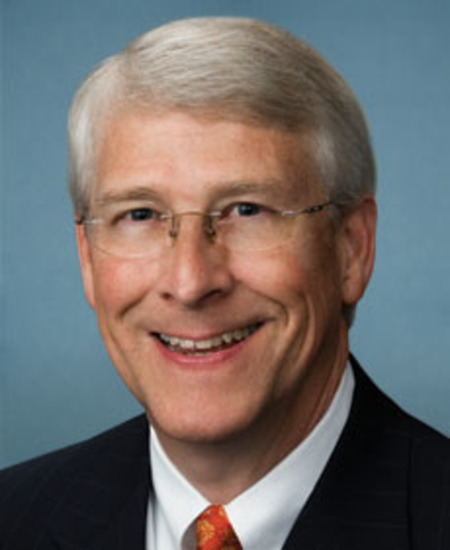
Sen. Roger F. Wicker
Sponsored bills
Maddy summaryThis bill prohibits the importation of all petroleum and petroleum products from Russia into the United States. It directly affects U.S. importers, companies, and businesses that currently bring Russian oil or refined oil products into the country. The law takes effect 15 days after enactment for new imports, with a transition rule allowing products already en route to the U.S. before enactment to still be imported. The bill cites Russia's invasion of Ukraine as justification under international trade security exceptions.
Health Care for Burn Pit Veterans Act This bill updates policies and procedures related to Department of Veterans Affairs (VA) health care and benefits for veterans who have been exposed to toxic substances. Specifically, the bill extends the eligibility period for VA hospital care, medical services, and nursing home care for combat veterans who served after September 11, 2001, and were exposed to toxic substances, radiation, or other conditions, including those who did not enroll to receive VA care during the eligibility period. The VA must incorporate into its existing health care screening a screening to help determine potential exposures to toxic substances during military service. Among other requirements, the VA must also provide annual training to health care and benefits personnel with respect to veterans who were exposed to toxic substances; analyze total and respiratory disease mortality in veterans who served in specified locations on specified dates; conduct an epidemiological study on the health trends of veterans who served in the Armed Forces after September 11, 2001; conduct a study to determine trends in the rates of the incidence of cancer in veterans; publish a list of VA resources for veterans who were exposed to toxic substances, families and caregivers of such veterans, and survivors of such veterans who are receiving death benefits; and report on the data quality of the Individual Longitudinal Exposure Record and its usefulness in supporting veterans in receiving VA health care and benefits.
This resolution supports the designation of February 19-February 26, 2022, as National FFA Week. It also (1) recognizes the important role of the National FFA Organization (Future Farmers of America) in developing the next generation of leaders who will change the world, and (2) celebrates 70 years of the National FFA Organization's membership magazine.
Maddy summaryThis resolution designates February 28, 2022, as "Rare Disease Day" in the U.S. Senate. It symbolically recognizes the importance of raising awareness about rare diseases (affecting fewer than 200,000 people in the U.S.), improving early diagnosis, and supporting global efforts to develop treatments for these conditions. The resolution does not create new policies or funding but aligns with the annual global observance of Rare Disease Day, first recognized in the U.S. in 2009 and observed in over 100 countries. It acknowledges the challenges faced by the estimated 7,000+ rare diseases affecting roughly 1 in 10 Americans.
This resolution recognizes Black History Month as an opportunity to reflect on U.S. history and to commemorate the contributions of African Americans. It calls for the United States to (1) honor the contribution of pioneers who helped to ensure its legacy; and (2) move forward as a nation "indivisible, with liberty and justice for all."
This bill requires the Department of State to (1) submit to Congress any classified State Department cables or memos that express a dissenting opinion relating to the withdrawal of the U.S. Armed Forces from Afghanistan, and (2) make publicly available unclassified versions of such cables and memos.
Continuing Safe Essential Travel Across our Border Act of 2022 This bill prohibits the Department of Homeland Security from requiring any essential critical infrastructure worker to be vaccinated against COVID-19 in order to engage in essential travel between the United States and Mexico or between the United States and Canada.
Broadband Buildout Accountability Act This bill makes actions or decisions of the National Telecommunications and Information Administration concerning the Broadband Equity, Access, and Deployment Program subject to the Freedom of Information Act, which governs the release of federal documents.
Return Employees to Understaffed Work Sites to Reopen Now Act of 2022 or the RETURN Act of 2022 This bill requires each federal agency to submit to Congress and publish on the agency's website a plan for the agency to resume in-person operations. The plan shall, among other things, include the agency's policy with respect to permitting permanent remote work for employees who can successfully achieve their duties away from their official work sites, metrics to measure the productivity of employees performing remote work to identify employees that fail to fulfill their duties, a plan to provide essential government services in person for individuals in the United States, and measures to prepare for future public health emergencies that can be quickly implemented if remote work becomes necessary. Each agency must submit a report to the General Services Administration recommending termination of the agency's leases of physical work spaces that are underused.