

Maddy summaryThe Hospital Stability and Health Services Act of 2024 requires hospitals planning to discontinue services or close to notify the federal government at least 90 days in advance (30 days for emergencies), providing detailed data on affected services, patients, employees, and alternative care options. Hospitals must submit a mitigation plan within 15 days if the government determines the closure would harm access to essential services, outlining strategies to maintain care through partnerships, staff support, and market analysis. A 45-day public comment period follows, during which the government may develop an alternative plan to ensure continued access, with all plans made publicly available. The law mandates annual reports to Congress on closure trends and impacts, focusing on geographic, demographic, and emergency response factors.
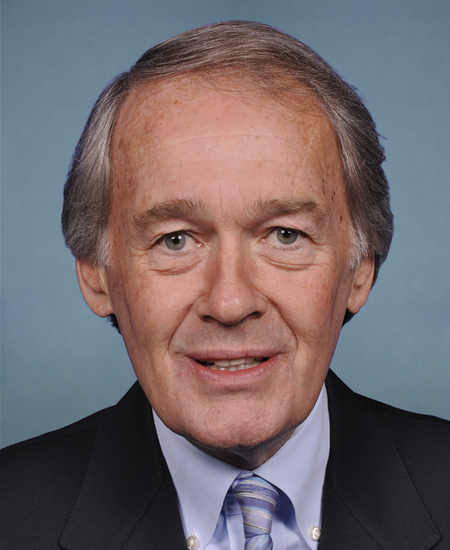
Sen. Edward J. Markey
Sponsored bills
Maddy summaryThe Health Over Wealth Act (S 4804) requires for-profit corporations owning health care entities (such as hospitals, physician practices, and nursing facilities) to disclose detailed financial and operational information to the government. Covered firms must report on debt levels, ownership structures, staffing patterns, political spending, and other metrics to increase transparency about private equity's role in health care. The bill establishes risk mitigation requirements, including escrow accounts for 5 years, and prohibits certain real estate transactions that could weaken health care entities. It also creates a Task Force to monitor private equity's impact on health care access, quality, and equity, with annual reporting requirements to Congress.
Maddy summaryThe Environmental Health in Prisons Act requires Federal, State, local, and Tribal carceral facilities to monitor and publicly report on environmental conditions including air quality, water safety, temperature, and exposure to hazardous materials. It establishes an advisory panel of public health experts and formerly incarcerated people to recommend environmental health improvements, mandates that facilities communicate environmental health information to incarcerated people and staff, and creates grant programs to fund infrastructure upgrades and programs that improve environmental health conditions. The bill prohibits facilities from penalizing people who request environmental health information or report concerns, directly affecting approximately 2 million incarcerated people and staff across the U.S. correctional system.
Maddy summaryThis bill establishes a pilot program to support family caregivers of individuals with Alzheimer's disease or related neurological disorders. It provides grants to qualified entities (like senior centers or area agencies) to create "one-stop" care sites offering coordinated health services - such as cognitive screenings, support groups, and care consultations - for both caregivers and their care recipients at the same location. The program requires grantees to collect health data (like stress levels and medical indicators) and track healthcare spending patterns to measure outcomes. Participation is limited to non-professional family caregivers, excluding those in paid care arrangements.
Maddy summaryThe DINE Act amends the Older Americans Act to integrate "food is medicine" programs into existing services for older adults. It requires screening for eligibility in these programs during routine assessments and adds referrals to them as part of care coordination. Key provisions include incorporating produce prescriptions and medically tailored meals into nutrition education, counseling, and service delivery systems. The bill directly affects older Americans by expanding access to nutrition-based health interventions through existing federal and community programs. It modifies specific sections of the Older Americans Act to include these food-focused approaches without creating new funding streams.
Maddy summaryThis bill establishes a new research program to study family caregiving, allocating $30 million annually from 2025 through 2029 for data collection and evidence-based practices. It defines "family caregiver" as an adult relative or informal provider of unpaid care for older adults or individuals with Alzheimer's, excluding professional caregivers. The bill also updates the National Family Caregiver Support Program to focus on family caregivers, adding a specific definition for "older relative caregivers" (55+ individuals caring for children or disabled relatives under certain legal arrangements). These changes aim to improve support services by aligning program definitions with current caregiving realities.
Maddy summaryThis bill creates a new program under the Older Americans Act to fund peer support services for family caregivers. It authorizes $10 million annually (2025-2029) for grants to states, nonprofits, tribal organizations, and educational institutions to develop in-person and virtual peer programs. These programs help family caregivers navigate administrative systems, provide emotional support, and offer mental health resources, with special focus on underserved groups like low-income communities, immigrants, LGBTQ+ caregivers, and those with disabilities. The bill requires grant recipients to provide language access services and prioritizes projects serving communities identified as having limited peer support access.
Maddy summaryThis bill amends the Older Americans Act to add new home modification services for older individuals (60+). It directly affects older adults by authorizing: (1) air-quality improvements like ventilation upgrades and reducing indoor pollutants from gas appliances; (2) energy-efficient home modifications prioritizing low-emission technologies; and (3) assistance with utility costs through existing programs. The key mechanism expands eligibility to include multi-family dwellings, rental units, and homes occupied by older individuals living with non-older residents. These provisions aim to improve indoor air quality, reduce energy costs, and lower emissions without creating new federal programs.
Maddy summaryThis bill establishes a new grant program under the Older Americans Act to provide financial planning services specifically for family caregivers. It defines "family caregivers" as unpaid adult relatives or individuals providing in-home care for older adults or people with Alzheimer's, and "older relative caregivers" as those age 55+ caring for children or disabled relatives. Eligible entities like state agencies, nonprofits, or senior centers can receive grants to offer services including guidance on public benefits, budgeting, long-term care costs, and accessible referrals to legal aid. The program requires services to be provided in accessible formats, including translations and American Sign Language support, for caregivers with diverse needs.
Maddy summaryS 4736, the Respite CARE Act, provides federal grants to states, nonprofits, senior centers, and Tribal organizations to create integrated programs offering both respite care (temporary relief for family caregivers) and supportive services in the same location. It directly affects family caregivers of older adults or individuals with Alzheimer's/dementia, including "older relative caregivers" (55+ living with and caring for children with disabilities or elderly relatives). Key provisions require grant recipients to combine respite care with other support services while ensuring accessibility through multilingual support, assistive technology, and formats compatible with American Sign Language. The bill mandates these integrated services be designed to meet the specific needs of caregivers and care recipients without requiring professional or financial agreements.