

Maddy summarySCONRES 9 is a symbolic congressional resolution expressing support for recognizing March 10, 2025, as "Abortion Provider Appreciation Day." It honors abortion providers and staff for their work amid increased challenges following the Dobbs decision, which overturned Roe v. Wade. The resolution specifically acknowledges the risks providers face, including harassment and clinic closures, and affirms Congress’s commitment to their safety and patients’ access to abortion care. As a non-binding statement, it does not create new policy but publicly recognizes the contributions of providers in a landscape of restrictive abortion laws.
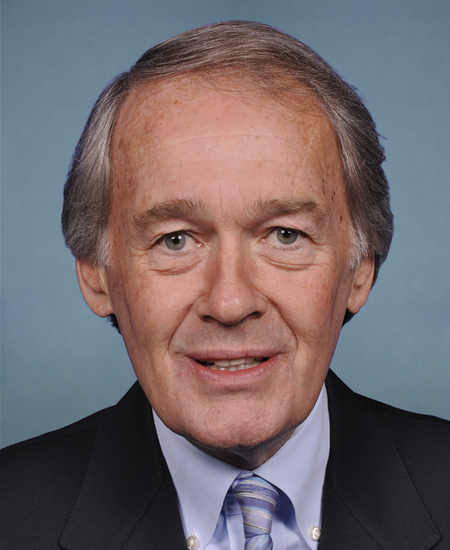
Sen. Edward J. Markey
Sponsored bills
Maddy summaryS 916 prohibits the detention of pregnant, lactating, or postpartum noncitizens in immigration custody, requiring their immediate release except in rare cases involving credible safety threats. It bans all physical restraints during pregnancy, labor, delivery, and postpartum recovery, with strict limits on exceptions. The bill mandates access to comprehensive reproductive healthcare, including prenatal care, labor services, and postpartum support, while requiring facilities to provide medical consent and maintain detailed reporting on detention practices. These provisions apply directly to noncitizens held by U.S. Immigration and Customs Enforcement (ICE) or U.S. Customs and Border Protection (CBP) facilities.
Maddy summaryThis resolution (SRES 116) honors women business owners in the U.S. for their economic contributions, citing that women-owned businesses: - Employ over 12.9 million people, - Generate $3.3 trillion in annual revenue, - Represent 39.2% of all U.S. businesses (up from 4.6% since 1972). The Senate formally recognizes these businesses as vital to the U.S. economy, commends women entrepreneurs’ spirit, and celebrates their achievements. It is a symbolic resolution with no policy changes or funding impacts.
Maddy summarySRES 119 is a symbolic Senate resolution memorializing those who died from the COVID-19 pandemic. It formally recognizes the loss of over 1.2 million Americans who died from the virus, acknowledges the pandemic's disproportionate impact on vulnerable communities, and supports the annual observance of "COVID-19 Victims Memorial Day" on the first Monday in March. The resolution does not create new programs, allocate funds, or change laws - it serves as a formal expression of remembrance and support for those affected. It directly affects all individuals and families who lost loved ones to the pandemic by providing official recognition of their grief.
Maddy summaryThis bill establishes a federal grant program to help states and tribes implement Extreme Risk Protection Orders (ERPOs), which temporarily restrict firearm access for individuals deemed to pose a danger to themselves or others. To qualify for grants, states and tribes must enact legislation meeting specific requirements, including petition processes, notice and hearing procedures, and standards for issuing ERPOs. The bill requires states to notify federal authorities about ERPOs and update the National Instant Criminal Background Check System, ensuring ERPOs are recognized across state lines. It also mandates training for law enforcement on the safe, impartial use of ERPOs and includes provisions for reporting demographic data on petitioners and respondents. The legislation directly affects states, tribes, law enforcement officers, and individuals subject to ERPOs.
Maddy summaryThis bill amends the Religious Freedom Restoration Act (RFRA) to clarify that RFRA does not block enforcement of key federal laws protecting civil rights and safety. Specifically, it adds an exception preventing RFRA claims from overriding laws that prohibit discrimination (like the Civil Rights Act of 1964), ensure workplace protections (such as the Family and Medical Leave Act), prevent child exploitation, or guarantee healthcare access. The amendment ensures religious freedom arguments cannot be used to challenge these existing legal requirements. It also clarifies that RFRA does not apply to lawsuits against government entities seeking relief for violations of these protections.
Maddy summaryThe Guaranteeing Overtime for Truckers Act (S 893) repeals a provision in the Fair Labor Standards Act that currently exempts certain truck drivers from overtime pay requirements. This bill would require commercial truck drivers to receive overtime pay for hours worked beyond 40 in a workweek, aligning their pay rules with standard federal labor protections. The change directly affects truck drivers in the commercial transportation industry who are currently excluded from overtime protections under the exemption. The bill does not alter other provisions of the Fair Labor Standards Act, focusing solely on removing this specific exemption.
Maddy summaryS 897, the Farewell to Foam Act of 2025, bans the sale and distribution of expanded polystyrene food service ware (like single-use cups, trays, and takeout containers), expanded polystyrene loose fill (packing peanuts), and expanded polystyrene coolers starting January 1, 2028. It directly affects food service providers (restaurants, schools, grocery stores), manufacturers, distributors, and retailers who sell or handle these products. The bill excludes coolers used for medical products or drugs and defines covered items to clarify what is prohibited. This policy change aims to reduce non-recyclable foam waste by prohibiting specific foam products in the food service and packaging industries.
Maddy summaryThis bill, the Richard L. Trumka Protecting the Right to Organize Act of 2025, aims to strengthen workers' rights to organize and bargain collectively. It would make it harder for employers to classify workers as independent contractors by changing the definition of "employee," restricts employers from threatening to permanently replace workers who strike, and prohibits them from requiring employees to give up their right to pursue class or collective claims. The bill also changes election procedures to make it easier for workers to form unions, requires employers to post notices about workers' rights in conspicuous locations, and increases penalties for unfair labor practices. It directly affects employers and workers across various industries by altering the landscape of labor organizing and collective bargaining.
Broadcast Freedom and Independence Act of 2025 This bill prohibits the Federal Communications Commission (FCC) from taking action against or imposing certain conditions on individuals on the basis of viewpoints broadcast or disseminated by the individuals or their affiliates. Specifically, the FCC may not revoke a license or authorization of, or otherwise take action against, an individual or entity on the basis of viewpoints broadcast or otherwise disseminated by the individual or entity or an affiliate thereof. Further, the FCC may not impose conditions on its approval of certain transactions on the basis of viewpoints broadcast or otherwise disseminated by the individual or entity seeking approval of the transaction, or an affiliate thereof. Under the bill, the FCC retains its authority to take action or impose conditions on the basis of (1) violations of certain existing laws regarding lottery information, fraud, and obscene language; or (2) the broadcast or other dissemination of content that constitutes incitement under the First Amendment.