

Maddy summaryThe SMART Prices Act (S 1836) changes how Medicare negotiates drug prices. It increases the number of drugs eligible for negotiation from 15 to 50 per year starting in 2028, shortens the time drugs must be the sole source for eligibility from 7 to 3 years, and adjusts price ceiling percentages for negotiated drugs (e.g., raising the maximum fair price from 75% to 76% for some drugs). These changes directly affect Medicare Part D beneficiaries and pharmaceutical companies by altering the negotiation process and pricing caps. The bill modifies existing Medicare drug pricing rules without creating new programs, applying to initial price negotiations beginning in 2028.
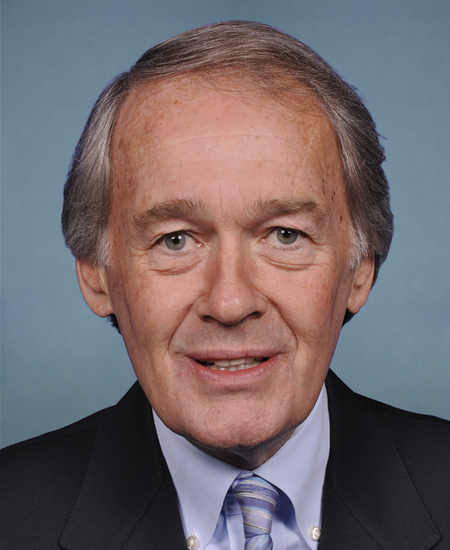
Sen. Edward J. Markey
Sponsored bills
Maddy summaryS 1593, the Small Business Liberation Act, exempts small business concerns from import duties imposed under Executive Order 14257 (related to national emergencies). This applies to goods imported by or for small businesses defined by the Small Business Act (15 U.S.C. 632). The bill directly affects small businesses importing goods during declared national emergencies by removing a specific tariff burden. It provides a concrete policy change by excluding qualifying small businesses from duties that would otherwise apply to their imports under the emergency order. The exemption is limited to duties from this specific executive order, not broader tariff policies.
Maddy summarySRES 236 is a non-binding Senate resolution condemning Russia’s abduction and forced transfer of Ukrainian children, citing over 19,500 confirmed cases as of April 2025. It urges that all Ukrainian children abducted by Russia be returned before any peace agreement is finalized, emphasizing this as a prerequisite for a just resolution to the war. The resolution references Russia’s changed adoption laws, violations of international treaties, and documented human rights abuses against children in occupied territories. It does not create new law but formally expresses the Senate’s position on this issue.
Maddy summaryThe Supreme Court Ethics, Recusal, and Transparency Act of 2025 would establish a formal code of conduct for Supreme Court justices and require them to disclose gifts and financial interests. It creates procedures for filing complaints about justices' conduct, including a judicial investigation panel to review allegations of misconduct. The bill expands circumstances requiring justices to recuse themselves from cases, such as when they or their family received gifts from parties involved in a case. These provisions aim to increase transparency and accountability in the Supreme Court's operations, with new disclosure requirements for parties and amici curiae in court cases.
Maddy summaryThis bill expands benefits for public safety officers (like police and firefighters) who develop certain cancers linked to their work. It creates a presumption that specific cancers - such as lung, bladder, or mesothelioma - were caused by job-related exposure to carcinogens, if the officer served at least 5 years, was diagnosed within 15 years of leaving active duty, and the cancer caused death or permanent disability. The list of covered cancers will be updated every 3 years based on medical evidence from agencies like the National Institute for Occupational Safety and Health. Claims must be filed within 3 years of the bill’s enactment, applying to cases involving deaths or disabilities occurring after January 1, 2020.
Maddy summarySRES 232 is a symbolic Senate resolution designating May 2025 as "National Brain Tumor Awareness Month." It does not create new laws or funding but formally recognizes the need for greater public awareness about brain tumors, which affect over 93,000 annual diagnoses and impact patients, families, and caregivers. The resolution encourages nationwide awareness efforts, supports collaborative research to improve treatments, and honors individuals living with or affected by brain tumors. This designation is purely ceremonial and aims to elevate visibility for a condition with limited treatment advances and high mortality rates.
Maddy summaryThe Connecticut River Watershed Partnership Act establishes a federal program to coordinate habitat restoration, water quality improvement, and public access projects across the Connecticut River watershed (encompassing Connecticut, Maine, Massachusetts, New Hampshire, and Vermont). It creates a competitive grant program providing matching funds to states, tribes, nonprofits, and universities, with enhanced federal funding (up to 90%) for projects serving environmental justice communities - defined as communities of color, low-income areas, or Tribal groups facing disproportionate environmental risks. The program requires consultation with tribal governments, local entities, and affected communities to implement watershed-wide strategies focused on ecosystem health, climate resilience, and equitable access to natural spaces. It mandates annual congressional reports and authorizes funding for 2026-2030, prioritizing projects that restore fish/wildlife habitat, improve water quality, and support community engagement.
Maddy summaryThis resolution (SRES 224) calls for urgent U.S. diplomatic action to address the severe humanitarian crisis in Gaza, where approximately 2.2 million civilians face acute hunger and malnutrition, including 10,000 children identified with acute malnutrition since January 2025. It highlights that Gaza’s borders have been blocked since March 2, 2025, preventing entry of food, medicine, and other lifesaving aid, leading to closed bakeries and exhausted food rations. The Senate resolution specifically urges the White House and State Department to use all available diplomatic tools to end the blockade, secure hostage releases, and achieve a durable conflict resolution. As a non-binding resolution, it does not enact law but formally expresses the Senate’s concern and directs executive branch action.
Maddy summaryThis bill establishes significant federal funding for water infrastructure projects to improve affordability, transparency, equity, and reliability in water services. It allocates over $33 billion annually for clean water, drinking water, rural water, and Indian Health Service water infrastructure projects. The bill requires a comprehensive study on water affordability, discrimination in water services, and data collection about service disconnections, with a report to Congress within one year. It includes specific provisions about funding priorities, public ownership requirements for water systems, and protections for vulnerable populations facing service disconnections, affecting communities across the U.S., particularly low-income neighborhoods, rural areas, tribal communities, and colonias.
Maddy summaryThis bill amends the Fair Labor Standards Act to prohibit children under 18 from having direct contact with tobacco plants or dried tobacco leaves on farms. It directly affects minors working in tobacco agriculture by adding this restriction to existing labor protections. The key change modifies the law to explicitly exclude tobacco-related farming from exemptions that previously allowed minors in certain manufacturing or mining roles. This creates a clear policy change banning underage labor in direct tobacco handling on farms.