

Maddy summaryThe Smarter Sentencing Act of 2023 reduces mandatory minimum prison sentences for certain non-violent drug offenses under federal law. It redefines "courier" as someone whose role is limited to transporting drugs or money, setting lower sentencing ranges for couriers (5-10 years for first offenses, 10-20 years for repeat offenses) compared to other drug traffickers. The bill allows courts to reduce sentences for people already convicted of covered drug offenses, and directs the Sentencing Commission to update federal sentencing guidelines to align with these changes. It also requires reports on federal criminal offenses and their penalties to improve transparency. This primarily affects individuals convicted of federal drug crimes, particularly those acting as couriers or facing mandatory minimums.
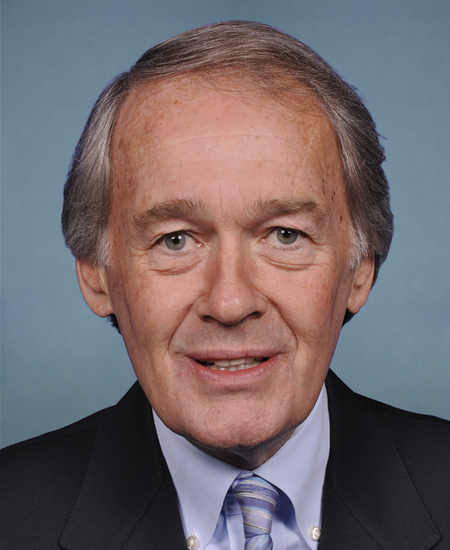
Sen. Edward J. Markey
Sponsored bills
Maddy summaryThis bill removes the requirement that background checks for gun sales must be completed within 10 business days. It directly affects federally licensed gun sellers who conduct these checks, eliminating the specific deadline they previously had to finalize the process. The key provision amends existing law (18 U.S.C. § 922(t)(1)) to eliminate the 10-day timeframe, allowing sellers to complete checks without that strict deadline. The bill also includes minor technical corrections to related laws like the Brady Act and Bipartisan Safer Communities Act.
Maddy summaryThis bill clarifies existing whistleblower protections for employees of the Department of Energy (DOE) and Nuclear Regulatory Commission (NRC) by updating outdated language in the law. It changes references from "person" to "employer" throughout Section 211 of the Energy Reorganization Act of 1974, making the protections align with current workplace terminology. The bill does not create new protections or change who is covered - it simply ensures the legal text accurately reflects that protections apply to employees reporting wrongdoing to their employer. This is a technical amendment to improve clarity in existing law.
Maddy summaryThis bill establishes minimum registered nurse-to-patient staffing ratios for hospitals across different units, directly affecting hospitals, registered nurses, and patients. It requires hospitals to implement staffing plans with specific ratios (e.g., 1:1 in trauma units, 2:1 in critical care, 4:1 in medical-surgical units) that must be publicly posted and maintained in detailed records. The bill includes enforcement through Medicare and Medicaid programs, with penalties for noncompliance up to $50,000 for subsequent violations. It also protects nurses who refuse unsafe assignments from retaliation and requires hospitals to provide transparency about staffing levels. The legislation aims to improve patient safety and nurse retention through concrete staffing standards rather than general guidelines.
Maddy summaryS 1138, the Fossil Free Finance Act of 2023, requires large banks (with over $50 billion in assets) and certain financial firms to reduce emissions tied to their investments. It mandates these institutions to eliminate all new fossil fuel projects immediately, end thermal coal financing by 2025, and cut financed emissions by 50% by 2030, aiming for net-zero by 2050. The bill prohibits using carbon offsets in emissions plans and requires annual reporting to Congress on progress toward climate targets. This directly affects major financial institutions, compelling them to divest from fossil fuels and align their lending with science-based climate goals.
Maddy summaryThis bill repeals two specific legal authorizations for U.S. military force against Iraq: the 1991 authorization (Public Law 102-1) and the 2002 authorization (Public Law 107-243). If enacted, it would end the legal basis for military operations in Iraq under these two resolutions. The repeal directly affects the executive branch’s authority to use military force against Iraq under these specific laws. It does not create new policy but removes existing legal permissions.
Maddy summarySRES 134 is a symbolic Senate resolution supporting the Rise Up for LGBTQI+ Youth in Schools Initiative. It expresses congressional backing for efforts to ensure K-12 schools provide equal educational opportunities, civil rights protections, and freedom from erasure for LGBTQI+ students - particularly transgender, nonbinary, Black, Indigenous, and disabled youth. The resolution references state laws restricting transgender students' access to sports, bathrooms, and inclusive curricula, citing data showing these policies harm mental health and academic outcomes. It does not create new laws but encourages states to adopt policies prohibiting bias-based discrimination in schools. As a resolution, it has no legal force and serves only as a statement of support.
Maddy summaryThe Airport Infrastructure Resilience Act of 2023 establishes a $300 million annual pilot program (2024-2028) to provide competitive grants to airports for projects addressing climate and disaster risks like sea level rise, extreme weather, and wildfires. It directly affects airports - particularly regional airports (requiring at least 15% of funds) - by funding infrastructure planning, design, and construction to improve resilience. Key provisions include requiring projects to use science-based approaches, mitigate environmental impact, and submit regular reports on fund usage. The program mandates collaboration with agencies like FAA and FEMA, and requires annual reports to Congress on funded projects and program effectiveness.
Maddy summaryThe REAADI for Disasters Act improves disaster preparedness, response, recovery, and mitigation for individuals with disabilities and older adults (age 50+), who face higher risks during disasters. It requires accessible communications (including American Sign Language, captions, and plain language), inclusive advisory committees in disaster planning, and accessible shelters and facilities. The bill also mandates that crisis standards of care during disasters comply with civil rights laws and funds training centers to support disability-inclusive disaster management practices.
Maddy summarySenate Bill 1036, the Senior Hunger Prevention Act of 2023, aims to improve nutrition assistance access for seniors (60+) and people with disabilities by amending the Food and Nutrition Act. Key provisions include extending SNAP certification periods from 24 to 36 months, establishing a standardized medical expense deduction starting at $155 for fiscal year 2024 (adjusted annually), and creating simplified application programs (ESAP and CAP) to reduce administrative barriers for eligible households. The bill also funds a pilot program for outreach and enrollment targeting older adults, kinship families, and adults with disabilities, and expands food delivery services for eligible participants. Additional provisions increase funding for the Commodity Supplemental Food Program and Seniors Farmers' Market Nutrition Program.