

Maddy summaryThis bill provides tax relief to new car dealers who sold inventory due to supply chain disruptions between March 2020 and January 2022. It allows dealers using the LIFO tax accounting method to avoid recognizing income from those sales in the year they occurred, instead deferring tax consequences until they replace the sold vehicles. Dealers have until 2026 to repurchase similar vehicles; if they fail to fully replace the inventory within this window, they must pay back the tax plus interest. The relief directly affects new car dealers who held LIFO inventory during the specified period and are subject to IRS tax rules.
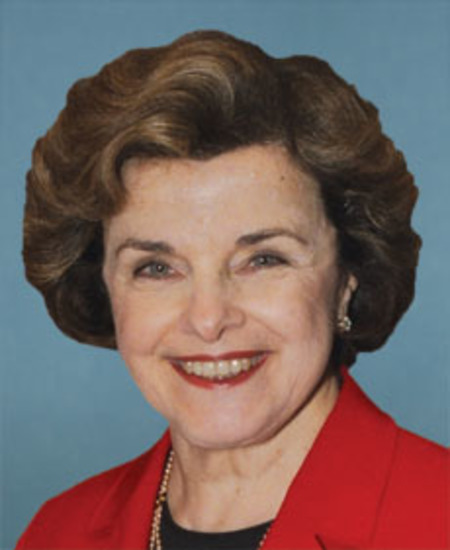
Sen. Dianne Feinstein
Sponsored bills
Maddy summaryThis bill establishes a federal research program to improve the identification and remediation of abandoned oil and gas wells. It requires the Secretary to create a program within 120 days to develop better technologies for locating wells (using LiDAR, sensors, etc.), understand methane emissions from different well types, and improve plugging methods - including low-carbon materials and repurposing wells for geothermal energy or carbon storage. The program will receive $30-35 million annually from 2023-2027, with coordination involving universities, national labs, and private industry. This directly affects federal and state environmental agencies and communities near abandoned wells by addressing methane leaks and groundwater risks through research, not immediate cleanup.
Maddy summaryThe Outdoors for All Act establishes a federal grant program to fund outdoor recreation projects in underserved communities. It provides funding for eligible entities (like cities, counties, tribes, or nonprofits) to acquire land for parks or develop outdoor facilities in qualifying areas - urban regions with 25,000+ people, adjacent clusters, or tribal lands. Grants prioritize projects that improve park access in low-income neighborhoods, engage youth, create jobs, and support cultural gathering spaces, while requiring a 100% cash or in-kind match (with possible waivers). Funds cannot cover maintenance, indoor facilities, or restricted-access land, and recipients must submit annual progress reports to the Interior Secretary.
Maddy summaryThis resolution (SRES 63) is a symbolic Senate measure formally celebrating Black History Month. It acknowledges the contributions of African Americans to U.S. history and society, recognizes the origins of Black History Month (beginning as Negro History Week in 1926), and encourages nationwide reflection on this history. The resolution does not create new laws or policies but serves as a formal Senate acknowledgment of the significance of Black History Month in February. It aims to honor the legacy of African American pioneers and promote learning about their impact on the nation.
Maddy summaryThis bill imposes a new tax on major U.S. oil companies with annual crude oil production or import volumes exceeding 300,000 barrels per day. The tax rate equals 50% of the excess of the quarterly Brent crude oil price over the 2015-2019 average, adjusted for inflation. Revenue from this tax funds the "Protect Consumers from Gas Hikes Fund," which then provides refundable tax credits to eligible individuals (with income limits up to $150,000 for joint filers) to offset gasoline costs. The policy directly affects large oil producers and provides direct financial relief to qualifying consumers through quarterly tax refunds.
Maddy summaryS 399, the "Saving the Civil Service Act," limits how federal agencies can move positions between the competitive service (where hiring is open and based on merit) and the excepted service (where hiring is more flexible). It restricts transferring positions to excepted service without meeting specific criteria, requires employee consent for any transfer between service types, and caps transfers during a presidential term at either 1% of an agency's workforce or five employees, whichever is greater. Agencies must also report all such transfers to Congress annually with justifications, and the Office of Personnel Management must issue implementing regulations within 90 days of the bill's enactment. This directly affects federal employees whose positions may be moved between service types and all federal agencies managing personnel transfers.
Maddy summaryS 394 establishes a federal grant program to fund media literacy and digital citizenship education in K-12 schools across the U.S. The bill provides funding for state/local education agencies, public libraries, and qualified nonprofits to develop curriculum, train teachers, and create advisory councils focused on teaching students to critically evaluate digital content. It requires states to create inclusive guidelines addressing media analysis, responsible online behavior, and recognizing misinformation, with specific attention to students with disabilities and diverse backgrounds. The program aims to equip students with skills to navigate digital environments safely and discernibly, directly affecting all public school students from kindergarten through high school.
Maddy summaryS 325, the Supreme Court Ethics Act, establishes new ethics rules for Supreme Court justices and creates an enforcement mechanism. It requires the Judicial Conference to issue a binding code of conduct for justices within one year, followed by the appointment of an Ethics Investigations Counsel to handle public complaints about potential violations and conduct harming the Court's administration. The Counsel must investigate allegations, report annually on complaints, and disclose reasons for recusal or denial of recusal motions in public court records. This directly affects Supreme Court justices and the public's ability to monitor judicial conduct.
Maddy summaryThis bill amends the Communications Act to clarify that "franchise fees" paid by community television providers must be monetary (not in-kind). It specifically changes the definition in Section 622(g)(1) to require that fees be "other monetary assessment," preventing non-monetary payments. The change directly affects community television stations that pay these fees to local governments. It is a technical adjustment to fee requirements, not a new program or funding change.
Maddy summaryThis bill allows veterans with combat-related disabilities and less than 20 years of service to receive both military retired pay and VA disability compensation simultaneously. Previously, such veterans had their retired pay reduced to avoid "concurrent receipt" of both benefits. The bill removes the 20-year service requirement for this group, applying specifically to those retired under Chapter 61 of Title 10 with a combat-related disability as defined in existing law. It does not change eligibility for veterans with non-combat disabilities or those with 20+ years of service.