

Lymphedema Treatment Act This bill provides for Medicare coverage of lymphedema compression treatment items. Specifically, the bill provides for coverage of standard and custom fitted gradient compression garments and other approved items that are prescribed by a physician or other specified health care professional to treat lymphedema.
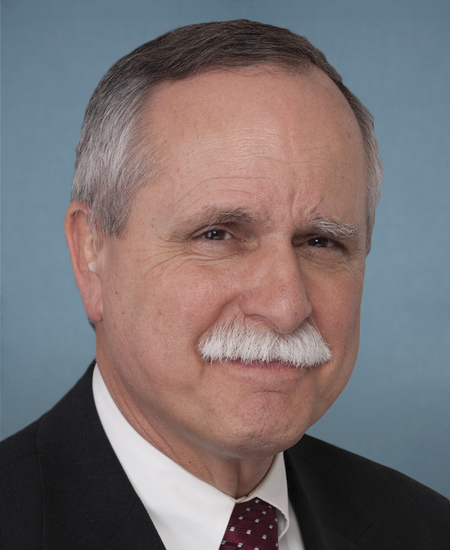
Rep. David B. McKinley
Sponsored bills
Revitalizing the Economy of Coal Communities by Leveraging Local Activities and Investing More Act of 2021 or the RECLAIM Act of 2021 This bill revises requirements concerning the Abandoned Mine Reclamation Fund, including by expanding the eligible uses of the fund. Specifically, the bill allows the fund to be used to provide support for economic revitalization, diversification, and development in economically distressed mining communities through the reclamation and restoration of land and water resources adversely affected by abandoned coal mines. In addition, it requires specified amounts to be annually distributed from the fund through FY2026 to states and Indian tribes for reclaiming and restoring lands and waters so affected.
Prevent All Soring Tactics Act of 2022 or the PAST Act of 2022 This bill addresses the practice of soring horses. The soring of horses includes various actions taken on horses' limbs to produce higher gaits that may cause pain, distress, inflammation, or lameness. Specifically, the bill expands soring regulation and enforcement at horse shows, exhibitions, sales, and auctions, including by establishing a new system for inspecting horses for soring. In addition, the bill increases penalties for violations.
Maddy summaryHRES 1457 is a symbolic resolution designating the Friday before Memorial Day as "National Poppy Day" to honor veterans. It encourages all U.S. citizens, residents, and visitors to wear a red poppy on that day as a tribute to fallen and serving members of the Armed Forces. The resolution recognizes the poppy's historical significance, originating from World War I poetry and adopted by veterans' organizations to memorialize those who died protecting freedom and support disabled veterans. It does not create new laws or funding but formally supports this observance through congressional endorsement.
This joint resolution nullifies a Bureau of Alcohol, Tobacco, Firearms and Explosives rule published on April 26, 2022, concerning regulatory definitions and identification of firearms.
This joint resolution nullifies the interim final rule submitted by the Department of Justice and the Department of Homeland Security and published on March 29, 2022, concerning procedures for the consideration of asylum claims and other related issues. (Among other changes, the interim final rule requires an asylum seeker subject to expedited removal to be screened by an asylum officer for a credible fear of persecution or torture, rather than a credible fear of persecution, reasonable possibility of persecution, or reasonable possibility of torture.)
This joint resolution proposes a constitutional amendment prohibiting a person from serving more than two consecutive terms as a Senator or six consecutive terms as a Representative. Terms beginning before the ratification of this amendment do not count towards consecutive term limits.
Maddy summaryH.J. Res. 51 proposes a constitutional amendment that would grant Congress the authority to pass laws banning the physical desecration of the U.S. flag, such as burning, defacing, or mutilating it. If ratified by three-fourths of state legislatures within seven years, this amendment would allow Congress to create federal laws prohibiting such acts. The amendment itself does not ban flag desecration but would provide the constitutional basis for Congress to enact specific prohibitions. This change would primarily affect individuals who engage in flag desecration and require Congress to draft and pass new legislation to enforce the ban.
This resolution condemns recent attacks on pro-life facilities, groups, and churches and calls on the current presidential administration to use appropriate law enforcement authorities to support their safety.
This resolution expresses the sense of the House of Representatives that the President should work with Congress to develop and execute a strategy to counter the rise in violent crime across the country by reinforcing strong criminal justice policies, by laying blame on the perpetrators of violent acts, and by securing the southern border.