

Maddy summaryHRES 966 is a symbolic resolution condemning alleged sexual violence committed by Hamas during its October 7, 2023, attack on Israel. It specifically references eyewitness accounts, forensic evidence, and Hamas fighters' admissions of ordering gang rape, sexual mutilation, and assault against Israeli civilians. The resolution calls for international condemnation of such acts as weapons of war, urges nations to criminalize sexual violence, and supports investigations into Hamas' actions. As a non-binding resolution, it does not create new laws or directly affect any individuals but formally expresses the House's position on the issue.
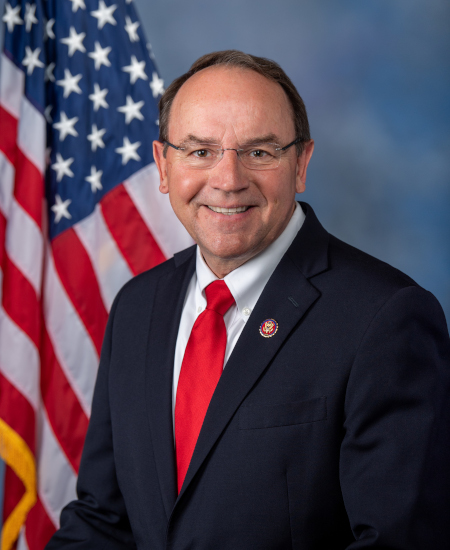
Rep. Thomas P. Tiffany
Sponsored bills
Maddy summaryHR 7349, the Safe Passage on Interstates Act of 2024, makes it a federal crime to intentionally obstruct interstate highways. The bill prohibits deliberately slowing traffic, standing near vehicles, or endangering vehicle movement on interstate highways with the intent to block normal use. Violators face fines up to $15,000 and prison sentences up to 20 years, with harsher penalties for obstructing emergency vehicles or causing death. This law directly affects individuals who intentionally disrupt interstate traffic flow, aiming to protect the free movement of vehicles on the national highway system. The bill adds this new criminal provision to federal law without changing existing state traffic regulations.
Maddy summaryThis bill restricts how credit reporting companies share homebuyers' credit reports during mortgage applications. It prevents companies from sending these reports to third parties (like marketers) just because a lender requested them for a mortgage. Only specific entities can receive the reports: the mortgage lender who originated the loan, the company servicing the loan, or the bank holding the homebuyer's account. This directly protects homebuyers' privacy by limiting unauthorized sharing of their financial data.
Maddy summaryHR 7183, the PROTECTS Act of 2024, prohibits federal funding from being used to provide or refer for specific gender transition procedures to individuals under 18. The bill defines prohibited procedures broadly to include surgeries (like hysterectomy, mastectomy, or genital reconstruction), puberty-blocking medications, and hormone treatments administered at supraphysiologic doses. It includes limited exceptions for medically necessary care, such as treating precocious puberty or correcting genetic disorders of sex development. The law directly affects minors seeking gender-affirming medical care covered by federal programs, restricting federal financial support for these services.
This bill designates the medical center of the Department of Veterans Affairs in Tomah, Wisconsin, as the Jason Simcakoski Department of Veterans Affairs Medical Center.
Maddy summaryThis bill requires federal agencies managing border lands (like national parks and forests) to create plans reducing trash from unauthorized border crossings and illegal camping. It mandates annual reports tracking waste collected (by weight, cost, and location), wildlife habitat impacts, and wildfires linked to human activity. Penalties for violating sanitation rules on federal lands will be doubled, with enforcement details reported to Congress. The law focuses on measurable environmental data collection and accountability, not immigration policy changes.
Maddy summaryThe Death Tax Repeal Act would eliminate the federal estate tax and generation-skipping transfer tax for estates of people who die on or after the bill's enactment date, and for generation-skipping transfers made after that date. It would also establish a new $10 million lifetime gift tax exemption (adjusted annually for inflation) and replace the existing gift tax rate schedule with a revised structure. These changes would primarily affect high-net-worth individuals and their heirs, as the estate tax and gift tax typically apply to large estates or gifts exceeding the new exemption threshold. The bill's provisions would take effect on the date of enactment, with transitional rules for the year the bill is signed into law.
Maddy summaryHR 7047, the "Defund Davos Act," prohibits the use of federal funds from the Department of State, USAID, or any other federal agency to provide financial support to the World Economic Forum. The bill directly affects U.S. government agencies that manage international funding programs by banning their use of taxpayer money for the Forum's activities. Its key provision is a clear funding ban, ensuring no federal resources can be allocated to the World Economic Forum under any circumstances. This is a procedural measure focused solely on restricting federal expenditures, with no other policy changes or impacts described.
Maddy summaryHR 7037, the SPEAR Act, amends the Endangered Species Act to prevent the federal government from listing lake sturgeon populations in Wisconsin as threatened or endangered. It specifically excludes Wisconsin's lake sturgeon (Acipenser fulvescens) from federal protection under the Endangered Species Act by modifying Section 4(a) of the law. The bill directly affects Wisconsin's lake sturgeon populations and preserves the state's existing management program, including the annual sturgeon spearing season, which is managed through mandatory data collection and harvest caps. This change ensures Wisconsin's successful, locally managed sturgeon fishery and cultural traditions remain unaffected by federal endangered species determinations.
Maddy summaryThe RIFLE Act of 2024 changes how the federal government handles violations by firearms licensees, affecting gun dealers and manufacturers who hold federal licenses. It creates a graduated penalty system where non-willful violations require the Attorney General to work with licensees to fix issues before taking action, while willful violations may lead to license suspension or revocation only after proper notice, hearing, and evidence of continued noncompliance. The bill establishes new procedures for administrative hearings, defines "willful" violations more clearly, and gives licensees 90 days to liquidate inventory after license expiration or revocation, with extensions possible for reasonable cause. These changes aim to create a more transparent process for addressing violations while maintaining public safety standards.