

Maddy summaryThis House resolution supports the goals of World AIDS Day by encouraging efforts to end the HIV epidemic by 2030, aiming for zero new infections, zero discrimination, and zero AIDS-related deaths. It specifically urges sharing of U=U (Undetectable=Untransmittable) information and PrEP (pre-exposure prophylaxis) to prevent transmission, and calls for increased funding for HIV prevention, treatment, and research - particularly for communities disproportionately affected by HIV, such as racial minorities, men who have sex with men, and transgender individuals. The resolution commends existing programs like PEPFAR and the Ryan White CARE Act while advocating for expanded testing, antiretroviral treatment, and comprehensive prevention services, including a National PrEP Program.
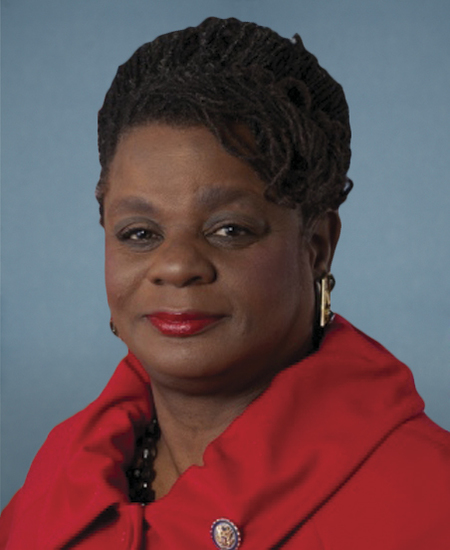
Rep. Gwen Moore
Sponsored bills
Maddy summaryHRES 1601 is a symbolic resolution designating November 8, 2024, as "National First-Generation College Celebration Day." It urges all Americans to celebrate this day, recognize first-generation college students' contributions to the workforce, and honor the 1965 Higher Education Act and its programs (like Pell Grants and TRIO) that support these students. The resolution does not create new laws or funding but highlights the challenges faced by first-generation students - such as higher employment rates during studies and household responsibilities - while acknowledging their growing presence in U.S. higher education (54% of undergrads identify as first-generation). This is a non-binding gesture of recognition, not a policy change.
Maddy summaryThis bill (HR 7199) renames a U.S. Postal Service facility in Muskego, Wisconsin (located at S74w16860 Janesville Road) as the "Colonel Hans Christian Heg Post Office." It updates all official federal references to this specific location to use the new name. The bill has no policy impact beyond administrative naming and affects only the postal facility and related government documents. It was signed into law on November 25, 2024.
Maddy summaryHR 6651 designates the U.S. Postal Service facility at 603 West 3rd Street in Necedah, Wisconsin, as the "Sergeant Kenneth E. Murphy Post Office Building." The bill updates all official government references (including laws, maps, and documents) to use this new name for the building. This is a commemorative act with no policy changes or direct impact beyond renaming the facility. The bill was signed into law on November 25, 2024.
Maddy summaryThis bill renames a U.S. Postal Service facility at 220 Fremont Street in Kiel, Wisconsin, as the "Trooper Trevor J. Casper Post Office Building." It directly affects the postal service location and all federal documents referencing it. The bill’s key provision updates all official references (laws, maps, records) to use the new name. No policy changes or funding are involved - this is a purely ceremonial naming resolution.
Maddy summaryThis bill establishes a Truth and Healing Commission to investigate the history and impacts of U.S. Indian Boarding School policies on Native American communities, including cultural, emotional, and physical effects on survivors, descendants, and tribal communities. The Commission will document these impacts through research, public meetings, and testimony, working with two advisory committees focused on Native American perspectives and Federal agency coordination. The Commission will operate for six years, with annual reports to Congress and a final report containing recommendations for Federal action. The bill also includes provisions for managing burial sites related to boarding schools and ensures the Native American Graves Protection and Repatriation Act applies to remains found on Federal lands related to these schools.
Maddy summaryThe Minority Diabetes Initiative Act (HR 10193) creates a federal grant program to improve diabetes care in minority communities. It authorizes the Secretary of Health and Human Services to fund public and nonprofit health providers - including community health centers, tribal health departments, and community organizations - to deliver specific diabetes services. These grants must cover routine care, prevention education, eye/foot care, and treatment for complications like kidney disease, while requiring services to be culturally appropriate and offered in accessible languages. The program is funded through annual appropriations for fiscal years 2025-2030. This bill directly affects minority communities with high diabetes rates by expanding access to comprehensive, culturally responsive care through eligible health providers.
Maddy summaryHRES 1588 is a House resolution supporting Transgender Day of Remembrance (TDoR) by recognizing the epidemic of violence against transgender people and memorializing those killed between October 1, 2023, and September 30, 2024. It specifically honors 38 transgender or gender-nonconforming individuals whose lives were lost to violence during that period, highlighting that transgender women of color face disproportionate risks. The resolution acknowledges systemic issues like underreporting, barriers to healthcare, and higher rates of homelessness and suicide within the community. It calls for the U.S. government to prioritize solutions to this violence while affirming transgender people's right to dignity and safety. As a symbolic resolution, it does not create new laws or policies but formally recognizes these issues for congressional record.
Maddy summaryThis resolution supports the United Nations' second International Decade for People of African Descent (2025-2034) and urges the U.S. Department of State to advance global efforts to combat racial discrimination. It specifically calls for U.S. backing of the UN Declaration on human rights for people of African descent, funding for the UN Expert Mechanism on racial justice, and collaboration with civil society to address systemic racism in areas like education, health, and justice. The resolution emphasizes a gender-focused approach, including support for Afro-descendant women, LGBTQIA+ individuals, and other marginalized groups. As a non-binding resolution, it directs U.S. foreign policy priorities without creating new legal obligations.
Maddy summaryHRES 1581 is a symbolic resolution expressing congressional support for designating November 2024 as "Prematurity Awareness Month." It highlights the U.S. maternal and infant health crisis, including higher preterm birth rates and disparities affecting Black and Native American women and their infants. The resolution urges Americans, communities, and organizations to observe the month through events and education focused on preterm birth prevention. It does not create new laws or funding but aims to raise public awareness about this health issue, which contributes to infant mortality and costs an estimated $25.2 billion annually.