

Maddy summaryHRES 846 is a symbolic resolution designating October 2025 as National Domestic Violence Awareness Month. It expresses the House's support for raising awareness about domestic violence and its impacts, and calls for continued congressional attention to ending domestic violence through existing programs. The resolution does not create new laws, allocate funding, or directly affect any specific groups - it is purely a statement of support. It references statistics on domestic violence prevalence but focuses on awareness rather than policy changes.
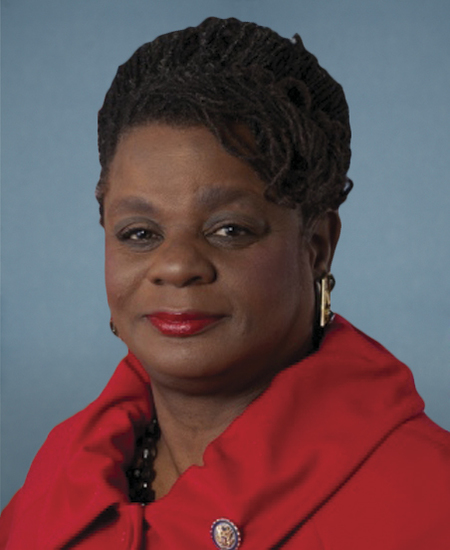
Rep. Gwen Moore
Sponsored bills
Maddy summaryHRES 850 is a symbolic congressional resolution designating November 8, 2025, as "National First-Generation College Celebration Day." It does not create new laws or policies but urges all Americans to recognize and celebrate first-generation college students (those whose parents did not earn bachelor's degrees) and the Higher Education Act of 1965, which established key support programs like TRIO and Pell Grants. The resolution acknowledges these students' unique challenges and contributions to the workforce without imposing any requirements or funding changes. It serves as a formal expression of support for existing initiatives, not a concrete policy action.
Maddy summaryThe American Energy Independence and Affordability Act extends multiple clean energy tax credits that were set to expire between 2025 and 2026. It specifically extends residential clean energy credits through 2034, clean electricity investment credits for wind and solar through 2032, and clean vehicle credits for electric vehicles through 2032. The bill also reinstates special rates for sustainable aviation fuel and modifies requirements for energy-efficient home improvements. These provisions directly affect homeowners installing solar panels, businesses investing in clean energy infrastructure, and manufacturers producing clean energy equipment.
Maddy summaryHRES 809 is a symbolic resolution expressing the House of Representatives' support for designating the second Monday in October 2025 as "Indigenous Peoples' Day." It does not create new law or directly affect any individuals or communities, but rather encourages the public to observe this day through ceremonies celebrating Indigenous history and culture. The resolution highlights existing local and state observances (over 200 municipalities and 17 states) and notes that Columbus Day currently does not honor Indigenous contributions. It urges Americans to recognize Indigenous Peoples' enduring legacy and cultural impact, while supporting the eventual designation of this day as a Federal holiday.
Maddy summaryThis bill makes federal funding for the WIC program mandatory by requiring Congress to appropriate necessary funds annually for fiscal year 2026 and each subsequent year. It removes discretionary language from WIC funding requirements and clarifies that eligible participants must be served without participation limits. The bill directly affects low-income pregnant women, new mothers, and young children who rely on WIC for nutrition assistance, ensuring continued access to critical food, health, and education services.
Maddy summaryHCONRES 56 is a symbolic congressional resolution recognizing the persistent wage gap faced by Latina women in the U.S. It specifically highlights that, as of 2024, Latina workers earn just 58 cents for every dollar paid to White, non-Hispanic men working full-time year-round. The resolution designates October 8, 2025, as "Latina Equal Pay Day" to raise awareness about this disparity, which affects over 14 million Hispanic women in the labor force. It does not create new laws or policies but formally acknowledges the economic impact of this gap on Latina families and the broader economy.
Maddy summaryHR 5708, the Federal Employees Civil Relief Act, provides temporary protections for federal workers and contractors during government shutdowns. It suspends civil proceedings like evictions, mortgage foreclosures, student loan collections, and tax payments if the worker is furloughed or working without pay. During a shutdown (and for 30 days after), courts can pause these obligations or adjust payments to prevent harm, and lenders/insurers cannot penalize workers for missed payments due to the shutdown. The law directly affects federal employees whose income is disrupted by a shutdown, ensuring housing, loan, and tax protections while maintaining their civil rights.
Maddy summaryHR 5705 requires the federal government to reimburse state agencies for funds they use to maintain participation in the WIC program during a government shutdown. It directly affects states that cover WIC costs using their own money when federal funding lapses. The bill establishes a process where states can seek reimbursement from the federal government after the shutdown ends. This ensures states aren’t burdened with costs for a federal funding gap that impacts nutrition assistance for women, infants, and children.
Maddy summaryHR 5720, the Federal Worker Childcare Protection Act of 2025, would provide reimbursement to federal employees who face a pay gap during a government funding lapse (starting October 1, 2025) while paying for childcare. It directly affects federal workers who are furloughed or working without pay during such a lapse. Employees would receive reimbursement for childcare costs if they provide documentation, such as receipts from a childcare provider, to the General Services Administration. This reimbursement is subject to available congressional appropriations and does not guarantee payment.
Maddy summaryHR 5685, the PNA Modernization Act, increases the minimum monthly cash allowance under Medicaid for people living in long-term care facilities. It raises the individual allowance from $30 to $60 per month (effective January 2026) and the couple allowance from $60 to $120 per month. The bill also includes an automatic adjustment mechanism: starting after November 2025, these allowances will increase by the same percentage as Social Security benefit adjustments. This directly affects Medicaid beneficiaries residing in nursing homes or similar institutions, providing them with higher guaranteed personal spending funds.