

Maddy summaryThis bill expands the Gus Schumacher Nutrition Incentive Program (GusNIP) to increase access to healthy food for low-income SNAP participants. It raises the incentive funding percentage from 50% to 80% for eligible purchases, creates new cooperative agreements to scale state programs (requiring 90% of funds to be used for redeemed incentives at retailers), and expands a produce prescription program where healthcare providers can refer patients to buy fresh produce. The bill allocates increased annual funding through 2029, including $57.5 million annually for 2024-2028, and requires a study on transitioning produce prescription costs to health insurance within 10 years. It directly affects SNAP recipients, participating retailers (including farmers markets), and community health centers.
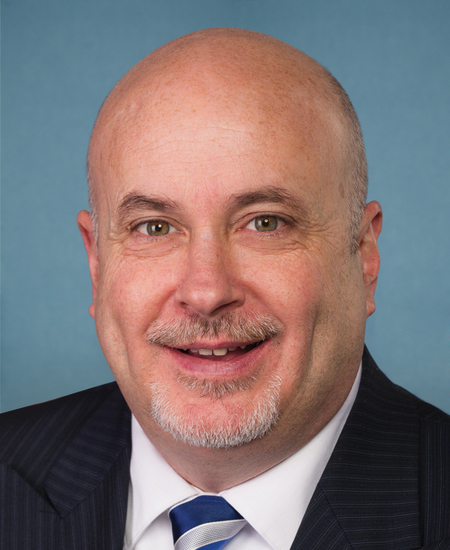
Rep. Mark Pocan
Sponsored bills
Maddy summaryThis bill expands SNAP eligibility for college students by modifying existing rules. It allows students attending higher education institutions (as defined by the Higher Education Act) to qualify for SNAP benefits if they have a zero expected family contribution (EFC) from FAFSA or meet specific criteria for independent student status under the Higher Education Act. The changes replace outdated language about "employment" with "attending school or working" and remove barriers that previously excluded many low-income students. This directly affects low-income undergraduate and graduate students who may face food insecurity while enrolled in college. The policy change takes effect 180 days after enactment.
Maddy summaryHR 5295, the Expanding the VOTE Act, modifies Section 203 of the Voting Rights Act to expand language access for voters. It requires states and localities to provide voting materials (including ballots and instructions) in the language of covered language minority groups, with new provisions for American Indian and Alaska Native languages requiring tribal government consultation for unwritten languages. The bill creates $15 million in grants to help jurisdictions provide voting materials in languages that don’t currently trigger Section 203 coverage, while mandating continued provision for those groups in future elections. It also directs a study to evaluate lowering population thresholds for language protections and expanding the definition of covered languages.
Maddy summaryThis bill prohibits landlords from charging renters application fees, tenant screening fees (including credit checks), and most late fees. It also bans the use of credit scores for tenant screening and requires landlords to disclose total monthly costs, past tenant litigation, ongoing maintenance issues, and 10 years of rent increases before a lease is signed. The law applies specifically to rental properties with federal housing assistance or federally backed mortgages (like FHA or VA loans). Key regulators - HUD, VA, USDA, or FHFA - will enforce these rules for covered properties.
Food Worker Pay Standards Act This bill prohibits the Department of Agriculture from purchasing any meat, meat food product, poultry, poultry food product, or processed food produced by workers in the United States who are compensated at a rate lower than the prevailing rate for wages and fringe benefits for such workers in their locality. The Department of Labor must determine the prevailing rates and in determining such rates shall take into account any applicable existing collective bargaining agreements in the locality. A prevailing rate established pursuant to this bill must not supersede a worker's wages and benefits agreed to in a collective bargaining agreement.
Maddy summaryThis bill amends the Exceptional Family Member Program (EFMP) to protect transgender dependents of military members. It prohibits assigning service members to locations where local laws restrict medically necessary treatment for transgender dependents, including gender dysphoria, and allows members to request reassignment within 30 days of such a law taking effect. The bill explicitly adds "gender dysphoria" to the list of conditions qualifying as a "medical special need" under the EFMP. This directly affects transgender dependents (spouses or children) and their military-affiliated service members, ensuring access to required care without forced relocation to restrictive jurisdictions.
Maddy summaryThe 21st Century Federal Writers’ Project Act establishes a Department of Labor grant program to fund unemployed or underemployed writers, journalists, and media professionals to document contemporary American society through written and visual projects. Eligible recipients include nonprofit organizations, newsrooms, libraries, and communications labor groups, with grants requiring geographic diversity (including rural and Tribal lands) and preference for those in writing/journalism occupations. The program allocates $60 million for fiscal year 2024, mandates public repositories of completed works at the Library of Congress, and requires annual reporting on diversity, project outcomes, and fund usage. It directly affects individuals in the writing/journalism field and aims to address declining local news coverage by creating new documentation of current American experiences.
Maddy summaryThe Strengthening America's Families Act of 2023 establishes a federal program to create infant-toddler court teams that coordinate courts, child welfare agencies, and community services to support infants, toddlers, and their families experiencing or at risk of maltreatment. The bill authorizes $25 million annually for grants to states to establish or enhance these teams, requiring them to meet specific criteria including trauma-informed practices, preventing foster care placements, and addressing developmental needs. States receiving grants must work with a National Infant-Toddler Court Team Resource Center that provides technical assistance and collects data on program effectiveness. This program directly affects young children in the child welfare system, their families, and state child welfare systems by promoting coordinated, community-based support to improve outcomes.
Protecting Sensitive Locations Act This bill prohibits immigration enforcement actions within 1,000 feet of a sensitive location except in exigent circumstances. Sensitive locations include health care facilities; schools and school bus stops; places that provide assistance for people such as children, pregnant women, and abuse victims; places that provide disaster or emergency services; places of worship; courthouses and lawyers’ offices; facilities used as polling places; certain labor union facilities; and public assistance offices. The prohibition shall apply to Department of Homeland Security officers and agents, as well as state employees pursuing immigration enforcement actions. If an enforcement action is carried out in violation of this prohibition, (1) no information resulting from the action may be entered into the record in a resulting removal proceeding, and (2) the affected individual may move to immediately terminate such a proceeding. U.S. Immigration and Customs Enforcement and U.S. Customs and Border Protection shall annually report to Congress about enforcement actions taken at sensitive locations in the preceding year.
Maddy summary# Summary of the "Protecting Our Democracy Act" This comprehensive legislation aims to strengthen democratic processes, increase government transparency, and prevent foreign interference in elections. Key provisions include: ## Ethics and Transparency - **Ethics Pledge**: Requires all appointees to sign an ethics pledge committing to: - Ban on gifts from registered lobbyists - 2-year revolving door ban (prohibiting participation in matters related to former employers) - Golden parachute ban (no special payments from former employers) - Commitment to decision-making based on public interest - **Tax Transparency**: Requires presidential and vice presidential candidates to disclose 10 years of tax returns, with sitting presidents submitting returns within 30 days of enactment ## Campaign Finance and Foreign Interference - **Foreign Contact Reporting**: Requires political committees to report any contact with "covered foreign nationals" within 1 week - **Enhanced Penalties**: Criminal penalties of up to $1 million and 5 years in prison for violations - **Online Advertising Rules** ("Honest Ads Act"): - Requires clear disclosure of who paid for political ads online - Mandates machine-readable public databases of political ads - Requires visible sponsor identification that remains when ads are shared - Defines "qualified political advertisements" to include various online formats ## Preventing Patronage Systems - Limits exceptions to competitive service for federal positions - Restricts transferring positions between competitive and excepted service - Requires employee consent for position transfers ## Use of Federal Property - Prohibits holding national political conventions on federal property - Requires publicly available visitor records at White House and other official locations (with privacy exceptions) The legislation establishes detailed definitions, reporting requirements, and enforcement mechanisms across multiple agencies, with the goal of increasing transparency, preventing foreign interference, and ensuring ethical conduct in government service.