

Maddy summaryThis bill restores visa eligibility for immigrants who had diversity visas allocated for fiscal years 2017-2022 but were denied entry due to specific travel restrictions (like Executive Orders 13769/13780 or related proclamations) or pandemic-related delays. The State Department must notify affected individuals within 90 days of the bill’s enactment, giving them one year to confirm they wish to proceed with their visa applications. Unused visas from those years can be reallocated without counting against current annual limits, and applicants who fail to respond or are denied for standard reasons (like education requirements) lose eligibility. The policy directly affects individuals impacted by these specific past barriers to immigration.
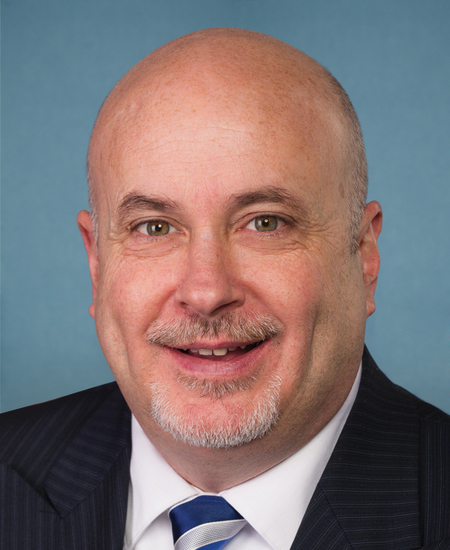
Rep. Mark Pocan
Sponsored bills
Maddy summaryThis bill creates a new USDA program to directly connect fresh produce producers with community food programs serving low-income individuals. It requires the Secretary of Agriculture to contract with eligible entities (like farms, distributors, and nonprofits) to buy U.S.-grown fresh produce - ensuring at least seven varieties per delivery, locally sourced when possible, and aligned with dietary guidelines - and distribute it to qualifying organizations (such as food banks, schools, and tribal programs) facing food insecurity. The program prioritizes contracts with beginning farmers, socially disadvantaged farmers, veteran farmers, and small/mid-sized family farms, while mandating 30% upfront payment and requiring annual reports on distribution metrics and program effectiveness to Congress. It aims to strengthen local food supply chains, reduce farm waste, and improve access to fresh produce for vulnerable communities.
Maddy summaryThe Affordable Connectivity Program Extension Act of 2024 allocates $7 billion in funding for the Affordable Connectivity Program (ACP) during fiscal year 2024. The ACP provides subsidies to low-income households to help cover the cost of internet service and connected devices like laptops or tablets. This funding ensures the program can continue supporting eligible households throughout the year, with the money remaining available until fully spent. The bill extends existing program funding without changing eligibility criteria or service requirements.
Maddy summaryHR 1147, the Whole Milk for Healthy Kids Act of 2023, allows schools participating in the National School Lunch Program to offer whole milk as an option during lunch. It amends the school lunch law to explicitly permit schools to serve flavored and unflavored whole milk alongside reduced-fat, low-fat, and fat-free milk choices for students. The bill also requires the Secretary of Agriculture to adjust meal regulations to account for saturated fat from whole milk, ensuring it doesn't count against meal fat limits. This change directly affects participating schools and the students who receive school lunches, expanding their milk beverage options.
Maddy summaryThe Restore Honor to Service Members Act of 2023 establishes a Department of Defense "Tiger Team" to improve outreach to veterans with certain discharge statuses (specifically those discharged under "former section 654" before 2011, often related to policies like the "Don't Ask, Don't Tell" era). The team will collaborate with the VA, veterans' groups, and other stakeholders to identify eligible veterans, share contact information, and guide them through the existing review process under Section 527 of the 2020 National Defense Authorization Act. The bill requires the team to submit regular progress reports to Congress and a final report within three years, tracking how many veterans successfully changed their discharge status to "honorable" through the review process. This focuses on streamlining access to an existing review mechanism, not creating new benefits or altering discharge standards.
Maddy summaryThis bill requires U.S. federal agencies to prioritize native plants over non-native plants in landscape projects at federal facilities (like government buildings, military bases, and national parks). It mandates agencies to consider environmental benefits - such as supporting pollinators, reducing water use, and preventing soil erosion - when making planting decisions. Agencies must update design standards within 270 days and include these requirements in all relevant contracts. The Council on Environmental Quality will provide implementation guidance and publish biennial reports on native plant usage across federal projects.
Maddy summaryHR 6720 creates a grant program administered by the U.S. Department of Agriculture to provide stabilization payments to farmworkers, meat processing workers, and grocery workers affected by natural or other disasters designated by the Secretary. Eligible entities - such as labor unions or membership organizations representing these worker groups - can apply for funding to support affected workers. The program is authorized to spend up to $50 million, with the Secretary required to report on its outcomes within four years. This bill directly affects workers in specific food industry sectors during disaster events, offering financial stabilization through grants administered by the Agricultural Marketing Service.
Maddy summaryHR 6654, the Farewell to Foam Act of 2023, bans the sale and distribution of expanded polystyrene foam food containers, packaging peanuts ("loose fill"), and coolers starting January 1, 2026. It directly affects food service providers (like restaurants and schools), manufacturers, distributors, and retailers who sell these foam products. The bill prohibits selling these items, with enforcement starting with a written warning for first violations, followed by escalating civil penalties ($250 for a second violation, up to $1,000 for fourth+ violations), while exempting small businesses with low annual revenue from repeated penalties within a 7-day period.
Maddy summaryThe ARMAS Act of 2023 transfers regulatory control of certain firearm exports from the Department of Commerce to the Department of State. It designates Mexico, Guatemala, Honduras, El Salvador, Haiti, Jamaica, and other Caribbean nations as "covered countries" requiring special oversight for firearm exports. The bill requires the State Department to develop strategies to disrupt illegal firearm trafficking to these countries, implement tracking systems for firearms, and submit annual reports on exports. It establishes certification requirements for exports to covered countries, including detailed reporting to Congress about proposed exports. The law aims to improve tracking of firearms used in violence and reduce illegal trafficking that fuels crime and violence in the region.
Maddy summaryThis bill amends the Equal Credit Opportunity Act to require lenders to collect and report data on loans to LGBTQI-owned businesses. It specifically adds "LGBTQI-owned" to existing categories for data collection, includes sexual orientation, gender identity, and intersex status as protected characteristics in lending data, and defines an "LGBTQI-owned business" as one where over 50% of ownership/control and net profit/loss accrues to self-identifying LGBTQI individuals. The policy change directly affects financial institutions that report lending data to the government, mandating they track and disclose these new categories. This provides concrete data on lending practices for LGBTQI business owners, who face documented barriers in accessing credit.