

Maddy summaryHCONRES 4 is a symbolic resolution expressing Congress's support for tax-exempt fraternal benefit societies (like mutual aid organizations). It recognizes these groups, which have over 7 million members nationwide, as historically and currently providing critical community benefits - including life/health insurance, charitable work, and volunteer services - valued at over $3.8 billion annually. The resolution affirms that their tax-exempt status under Section 501(c)(8) of the Internal Revenue Code remains beneficial and should continue to be promoted. This is a non-binding expression of congressional sentiment, not a policy change.
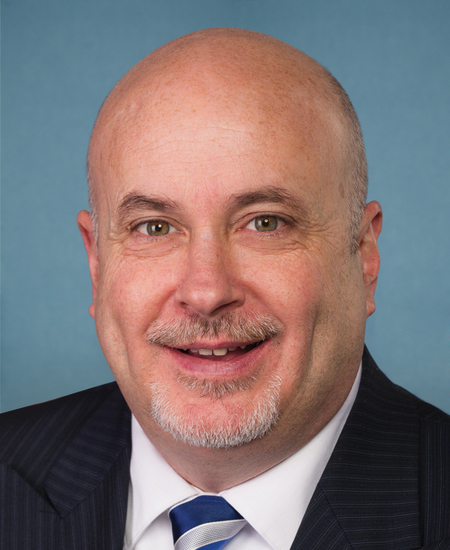
Rep. Mark Pocan
Sponsored bills
Maddy summaryThis resolution expresses the House of Representatives' position that Congress should take steps to prevent the privatization of the United States Postal Service (USPS), ensuring it remains a federal independent agency. It highlights USPS’s constitutional role, self-sustaining nature (relying on service revenue, not taxpayer funds), and critical functions - serving 168 million addresses daily, supporting rural communities, and underpinning e-commerce. The resolution opposes privatization, noting it would raise prices, reduce services, and harm the $1.9 trillion mailing industry. As a non-binding resolution, it reflects the House’s stance but does not create new law or policy.
Maddy summaryHRES 75 is a symbolic resolution recognizing the cultural and historical significance of Lunar New Year (celebrated as the Year of the Snake in 2025). It acknowledges Lunar New Year's origins in China over 4,000 years ago, its global celebration as Seollal (Korea) and Tết (Vietnam), and its importance to Asian American communities in the U.S. The resolution expresses respect for Asian Americans and others celebrating the holiday and wishes them a happy new year, but it creates no new laws, funding, or obligations. As a ceremonial resolution, it has no direct policy impact.
Maddy summaryHR 764, the Global Health, Empowerment and Rights Act, removes two barriers for foreign nongovernmental organizations (NGOs) seeking U.S. foreign assistance. It ensures these organizations cannot be denied funding solely because they provide health services (like counseling and referrals) using non-U.S. government funds, as long as those services comply with local laws. The bill also requires that foreign NGOs face the same rules on using non-U.S. funds for advocacy and lobbying as U.S. NGOs receiving similar aid. This directly affects international health-focused NGOs working in countries where U.S. aid is provided.
Maddy summaryHR 794, the Lunar New Year Day Act, would designate the Lunar New Year as a federal holiday by adding it to the list of official federal holidays under Title 5 of the U.S. Code. This change would directly affect federal government operations and employees, who would observe the holiday on the date of the Lunar New Year each year. The bill’s sole mechanism is amending the existing holiday schedule to include "Lunar New Year Day" following the Birthday of Martin Luther King, Jr. It does not create new programs, allocate funding, or impact non-federal entities.
Maddy summaryHRES 68 is a non-binding House resolution expressing strong disapproval of the President’s announcement to withdraw the U.S. from the Paris Agreement. It commends states, businesses, and citizens supporting the Agreement, urges the President to reverse the withdrawal decision, and calls for Congress to prioritize U.S. climate leadership. The resolution does not create new laws or affect specific groups but formally states the House’s position against withdrawing from the international climate accord. It was introduced by 115 co-sponsors and reflects broad congressional concern about reversing U.S. climate commitments.
Maddy summaryHR 738, the Universal Right To Vote by Mail Act of 2025, would require all states to allow any voter to request and cast a mail-in ballot for federal elections without needing to provide a reason, directly affecting all voters in states holding federal elections. The bill prohibits states from adding extra conditions beyond ballot request and return deadlines, and mandates that election officials must notify voters of signature discrepancies or missing information within one business day, giving them three days to correct errors before ballots are rejected. It explicitly preserves states' ability to maintain in-person polling places and applies to federal elections starting in 2026. The bill cites findings that universal mail-in voting increases participation, reduces poll wait times, and has no proven fraud risk, while eliminating requirements for personal justification or notarization.
Maddy summaryHR 669, the "Restricting First Use of Nuclear Weapons Act of 2025," requires Congress to declare war before the U.S. can conduct a first-use nuclear strike. It directly affects the President (who currently has sole authority to authorize such strikes), military commanders, and Congress by mandating that federal funds cannot be used for a first-use attack without a congressional declaration of war. The bill defines a "first-use nuclear strike" as an attack launched without prior confirmation that the U.S., its territories, or allies were first hit with nuclear weapons. This law changes policy by creating a constitutional check on presidential nuclear authority, requiring explicit congressional approval for the initial use of nuclear weapons.
Maddy summaryHR 628, the Honor Our Living Donors Act, amends federal law to protect living organ donors by changing how reimbursement grants operate. It prohibits grant recipients from considering the organ recipient's income when reimbursing donors and removes any expectation that organ recipients pay donors directly. The bill also requires the Secretary to submit an annual report detailing whether grants fully covered all donor expenses and estimating any funding gaps. This directly affects living organ donors participating in federal grant programs under the Public Health Service Act.
Maddy summaryHR 612, the Health Care Providers Safety Act of 2025, provides federal funding to help health care facilities improve safety. It authorizes the Secretary to award grants to hospitals, clinics, and other health care providers to cover costs for physical security (like structural improvements) and cyber security (such as data privacy tools and video surveillance systems). These grants directly help health care providers protect their facilities, staff, and patients from security threats. The bill creates a new funding mechanism under the Public Health Service Act, making specific security upgrades eligible for federal support.