Animal Freedom from Testing, Experiments, and Research Act of 2021 or the AFTER Act of 2021 This bill requires federal research facilities to facilitate the adoption or nonlaboratory placement of certain warm-blooded animals (e.g., dogs, cats, monkeys, guinea pigs, hamsters, and rabbits) with animal rescue organizations, animal sanctuaries, animal shelters, or individuals. In order to be adopted or placed, the animals must (1) no longer be needed for research; (2) be suitable for release; (3) not be birds, rats, or mice.
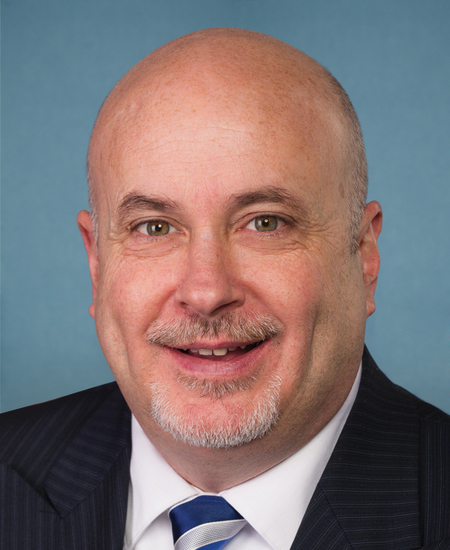
Rep. Mark Pocan
Sponsored bills
Maddy summaryThis bill (HR 5430) would add wigs to Medicare's list of covered durable medical equipment. It directly affects Medicare beneficiaries who require wigs due to medical conditions like hair loss from cancer treatment, as certified by their doctor. The key provision requires a dermatologist, oncologist, or attending physician to provide written certification of medical necessity before Medicare covers the wig as part of rehabilitative treatment. This change expands existing coverage for cranial prostheses under Medicare's rules without altering the program's overall structure.
COVID Defense Act This bill rescinds specified defense appropriations and authorizes funding for manufacturing and delivering COVID-19 vaccines internationally.
Improving Access to Home Dialysis Act of 2021 This bill provides for Medicare coverage of staff-assisted home dialysis services for certain individuals with end-stage renal disease (ESRD). Specifically, the bill provides for coverage of services for ESRD individuals who are either initiating peritoneal or home hemodialysis or receiving home dialysis and are unable to self-dialyze due to illness, injury, caregiver issues, or other temporary circumstances. The Centers for Medicare & Medicaid Services must develop a payment system for such services. The bill also requires the development of a patient-centered decision tool that includes home dialysis as an option, as well as a report on racial disparities with respect to the use of staff-assisted home dialysis services.
National Security Reforms and Accountability Act This bill limits presidential authorities related to, and increases congressional oversight of, introducing U.S. armed forces into hostilities, arms transactions, and national emergencies. The bill makes various changes to the War Powers Resolution, which provides procedures for Congress and the President to participate in decisions to send U.S. forces into hostilities. These changes include requiring specific statutory authorization for, and revising congressional procedures to approve or disapprove of, the introduction of U.S. forces into hostilities. The bill also prohibits the use of federal funds for any activity of U.S. forces that lacks the required authorization. The President must also seek congressional approval before entering, renewing, or extending an arms sale or related transaction if the transaction exceeds specified dollar thresholds. This does not apply to transactions with NATO and its member countries, Australia, Japan, South Korea, Israel, New Zealand, or Taiwan. The bill also prohibits transfers of defense articles and services to countries that commit genocide or otherwise violate international humanitarian law. The bill restricts presidential authorities related to national emergencies, including by limiting the period of a declared emergency to 30 days unless Congress authorizes an extension. The bill also establishes procedures for approving or disapproving an extension, requires the President to provide more detailed reports to Congress about national emergencies, and sets out specific provisions for terminating an emergency.

This bill requires the Department of Defense (DOD) to conduct outreach to build awareness among former members of the Armed Forces of the process established for the review of discharge characterizations related to sexual orientation (i.e., on the basis of Don't Ask, Don't Tell or a similar policy). DOD must also provide for specified relief for former members of the Armed Forces who were impacted by the discharge characterizations and ensure that DOD oral historians review related facts and receive testimony from affected individuals.
This resolution recognizes the cultural and historical significance of the Hmong New Year and wishes Hmong Americans and all individuals who observe this holiday a happy new year.
Primary Health Services Enhancement Act This bill expands Medicare coverage to include physical therapy services provided by rural health clinics and federally qualified health centers.
We Need Eviction Data Now Act of 2021 This bill requires the Department of Housing and Urban Development (HUD) to establish and maintain a national eviction database. The database must contain eviction data compiled annually by state courts. HUD must award grants to local governments and nonprofit organizations to collect data from landlords on illegal self-help evictions for inclusion in the database. The bill also requires HUD to establish an advisory committee on eviction research.
ESP Family Leave Act This bill allows education support professionals to meet the hours of service requirements for family and medical leave if they have worked a number of hours equal to not less than 60% of the total monthly hours expected for their job descriptions and duties, as assigned for the previous school year. Education support professionals are employees within a public school or public institution of higher education which may include specified staff, such as paraeducators, administrative support staff, custodians, skilled trade workers, and nursing support staff. The Department of Labor may provide a method for calculating such leave for these professionals.