

Maddy summaryThis bill amends Section 4013 of the Water Infrastructure Improvements for The Nation Act to allow water districts and project developers who received federal loans for western U.S. water infrastructure projects to repay those loans faster. It adds a new provision (paragraph (3)) directing repayment authority under Section 4011, streamlining the process for accelerating loan repayment. The change directly affects entities managing federally funded water projects in the western United States, enabling earlier repayment without altering loan terms or funding amounts.
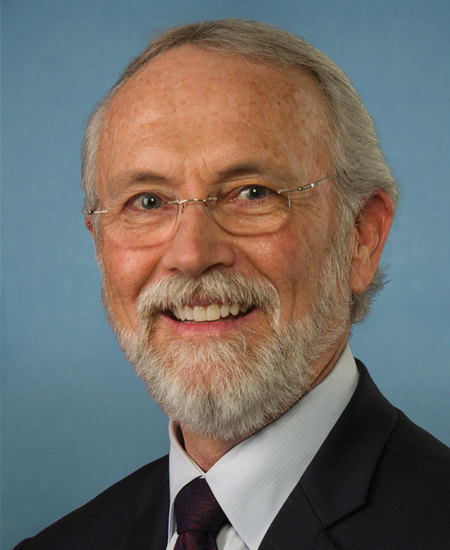
Rep. Dan Newhouse
Sponsored bills
Maddy summaryThe LODGE Act (HR 1314) allows the National Park Service to partner with state/local governments, tribes, or private entities to develop housing near national parks. It creates "housing partnership agreements" for two groups: National Park Service field employees (and other eligible federal employees) and members of the public. Key provisions include setting rent limits for employees based on federal guidelines, prioritizing employees for housing, prohibiting subleasing, requiring competitive bidding for agreements (with limited exceptions), and using rental proceeds to fund housing maintenance. The bill aims to address housing shortages for park staff and visitors near park units while ensuring projects align with park conservation goals.
Maddy summaryThis bill (HR 10014) affects federal employees who regularly telework, defined as working from home at least one day per week (or 20% of their time under alternative schedules), excluding certain groups like disabled employees with accommodations, Foreign Service members, law enforcement officers, or those with non-traditional worksites. It prohibits covered employees from receiving annual pay adjustments under standard federal pay rules and requires them to be paid at the "Rest of U.S." locality pay rate based on when they became covered. The pay rate must remain fixed and cannot be adjusted under existing locality pay rules. The bill takes effect at the start of the first full fiscal year after enactment.
Maddy summaryThis bill prohibits using USPS funds to close or consolidate small rural post offices or conduct mail processing facility reviews during years with federal elections. It also requires the USPS Inspector General to audit mail collection box removals within 90 days of enactment and report findings to relevant congressional committees. The law directly affects rural communities reliant on local post offices and aims to protect election-related mail services during voting periods. Key provisions include a temporary funding ban on specific postal changes during election years and a mandated audit of collection box removal practices. The bill focuses on maintaining consistent delivery standards and ballot handling integrity during federal elections.
Maddy summaryHR 9898 requires the Department of Energy to lead a federal task force that will analyze U.S. critical materials processing capacity and report to Congress within one year. The report must identify supply chain gaps, assess regulatory barriers (like Clean Air Act compliance), and evaluate opportunities for foreign investment from allied nations. It also mandates a GAO review of how current policies and permitting processes hinder domestic investment in processing critical minerals used in clean energy and technology. The bill directly affects federal agencies, domestic processing industries, and potential foreign investors seeking to build U.S. facilities.
Maddy summaryThe Abundant American Resources Act of 2024 requires federal agencies to conduct studies on the economic value of minerals in specific public lands and waters. The Bureau of Land Management, Forest Service, and Bureau of Ocean Energy Management must each complete a study within three years to estimate the dollar value of minerals like oil, gas, and metals in designated onshore and offshore areas. These studies exclude National Parks and certain pre-2000 national monuments but include co-managed areas and lands withdrawn from mining or leasing. The bill does not authorize new resource extraction or change existing laws - it only mandates data collection for future policy decisions.
Maddy summaryHR 9889 provides $14 billion in emergency funding to assist farmers and ranchers recovering from 2023 natural disasters like droughts, wildfires, floods, and hurricanes. It directly affects agricultural producers who suffered crop, livestock, or dairy losses, including $1.5 billion specifically for livestock-related expenses. The bill establishes payment limits (up to 90% of losses for insured producers, 70% for uninsured) and requires beneficiaries to purchase crop insurance or NAP coverage for the next two crop years. Payments cover revenue losses for crops, trees, vines, and livestock relocation costs, with administrative costs capped at 1% of the total appropriation.
Maddy summaryThis bill reauthorizes existing programs to protect endangered and threatened fish species in the Upper Colorado and San Juan River Basins through 2031. It extends annual funding for capital projects ($50 million per year, adjusted for inflation) and annual base operations ($80 million total over 8 years, split as $52.9 million for the Upper Colorado and $27.1 million for the San Juan). The bill updates legal definitions to include "threatened" species and clarifies how funds from federal agencies (like power revenues) and non-federal partners (states, tribes, water users) can be used. It directly affects the Bureau of Reclamation, the Upper Colorado River Basin states (Colorado, New Mexico, Utah, Wyoming), and entities participating in the recovery programs. The funding continues the existing 1987 and 1992 cooperative agreements without altering their environmental goals.
Maddy summaryHJRES 136 is a resolution seeking to block an Environmental Protection Agency (EPA) rule that would have set new emissions standards for light and medium-duty vehicles sold in 2027 and later model years. The EPA rule, published in April 2024, aimed to require vehicle manufacturers to meet stricter pollution limits for these vehicles. If passed, this resolution would cancel the rule, preventing the EPA from enforcing the new standards. It uses a congressional process that allows Congress to reject agency rules with a simple majority vote.
Maddy summaryHRES 1489 is a symbolic House resolution designating the week of September 23-27, 2024, as "National Clean Energy Week." It expresses congressional support for recognizing clean energy's role in economic growth (citing 8.35 million jobs in the sector) and encourages voluntary actions like public awareness, investment in clean energy technologies, and supporting local clean energy jobs. The resolution does not create new laws, funding, or obligations - it only formally endorses the week-long observance to highlight clean energy’s economic and environmental benefits. It directly affects no specific group but aims to raise national awareness of the clean energy sector.